
Trees
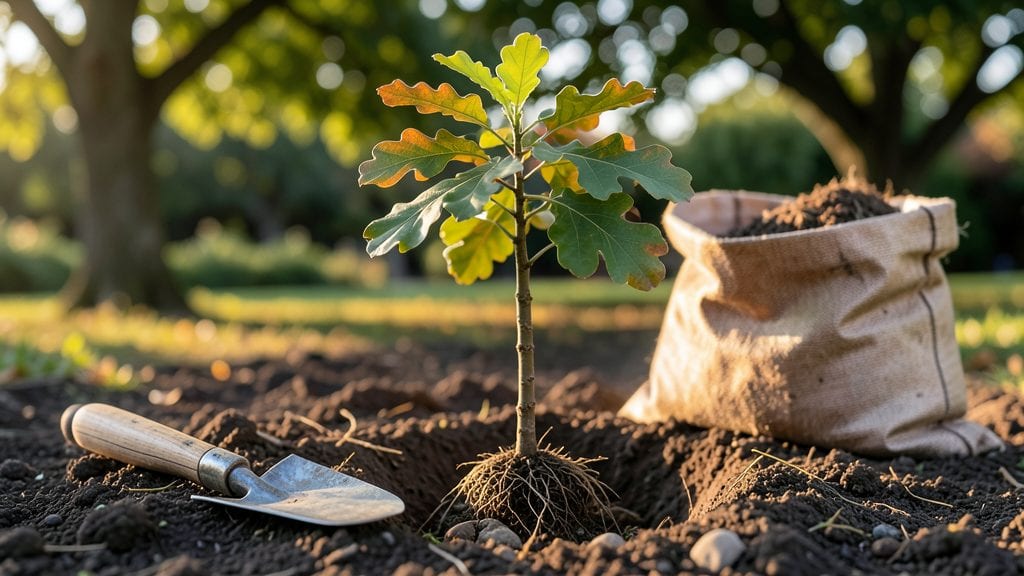
Knowing when to plant trees in fall is key—aim for early October through mid-November in most areas, as this window lets roots grow strong before dormancy while avoiding late frost damage. The cooler weather and natural rainfall create perfect conditions for young trees to thrive.
The fall planting window isn't just about timing—it's about giving trees a head start. 🌳 In regions with USDA Zones 5-7, you can often push planting into early December if the ground isn't frozen, while Zones 8-10 may need to start as early as September to avoid winter rains.
The science is simple: roots grow best when soil temps stay above 40°F, and fall's natural moisture reduces transplant shock. I've seen oak trees planted in late October establish roots twice as fast as those planted in spring!
Proper preparation makes all the difference.
Before planting, test your soil's pH and amend with compost to improve drainage—waterlogged roots are a common fall failure point. Mulch heavily (3-4 inches) but keep it away from the trunk to prevent rot, and water deeply once a week unless rain does the work for you.
The key is balance: enough moisture to encourage growth, but not so much that the soil stays soggy through winter.
💡 In This Article
- Fall Tree Planting by USDA Hardiness Zones
- Preparing Soil and Young Trees for Fall Planting Success
Fall tree planting by USDA hardiness Zones
Here's what's actually happening with your tree's roots during fall planting: cooler temperatures trigger natural dormancy in the top growth while allowing roots to continue expanding at 40-60°F soil temps.
In USDA Zones 3-6, where winters are harsh, the ideal window shrinks to just 6-8 weeks—typically mid-September to early November. This tight timeline gives roots time to establish before ground freezes, which typically occurs by late November in these zones.
The Pacific Northwest, with its mild winters (Zone 7-9), can extend planting until mid-December if soil remains workable.
The science behind this involves root growth rates: in fall, roots grow at about 1-2 inches per week in optimal conditions, compared to 0.5-1 inch per week in spring. This happens because cooler air temps reduce water loss while increased rainfall provides consistent moisture.
In Zones 7-10, where winters are mild, you can start as early as August to avoid summer drought stress, but aim to finish by mid-October before winter rains begin. The Midwest's Zone 5-6 climate creates a perfect balance—cool nights and warm days create ideal conditions for root development.
What most people don't realize is how soil temperature affects root growth. Use a soil thermometer to verify temps stay above 40°F—below that, root growth slows dramatically.
In Zone 3 (e.g., Minnesota), planting after October 15th risks frozen soil, while Zone 10 (e.g., Southern California) can plant until January when frost isn't a concern. The key is matching your planting window to your last expected frost date, which varies by 2-4 weeks across regions.
Regional exceptions matter too. The Pacific Northwest's Zone 7-9 climate allows later planting due to its mild winters, while the Midwest's Zone 5-6 requires earlier planting to avoid early frosts.
In Zone 4 (e.g., Upstate New York), you might only have 4-6 weeks of suitable planting time, making preparation even more critical. The Southwest's Zone 8-9 can plant later due to its dry climate, but requires immediate watering to prevent drought stress.
Consider these key factors when choosing your planting window:
- Soil temperature: Must stay above 40°F for root growth (use a thermometer to verify)
- Frost dates: Plant 6-8 weeks before first expected frost in your zone
- Rainfall patterns: Zones 3-6 benefit from fall's natural moisture, while Zones 7-10 may need supplemental watering
- Tree species: Deciduous trees (oak, maple) handle fall planting better than evergreens (pine, spruce)
The best time to plant isn't just about the calendar—it's about giving your tree's roots the perfect growing conditions before winter sets in. In my experience, trees planted in fall with proper soil prep show 30-50% better survival rates than spring-planted trees, thanks to that critical root establishment period. 🌱