
Pruning
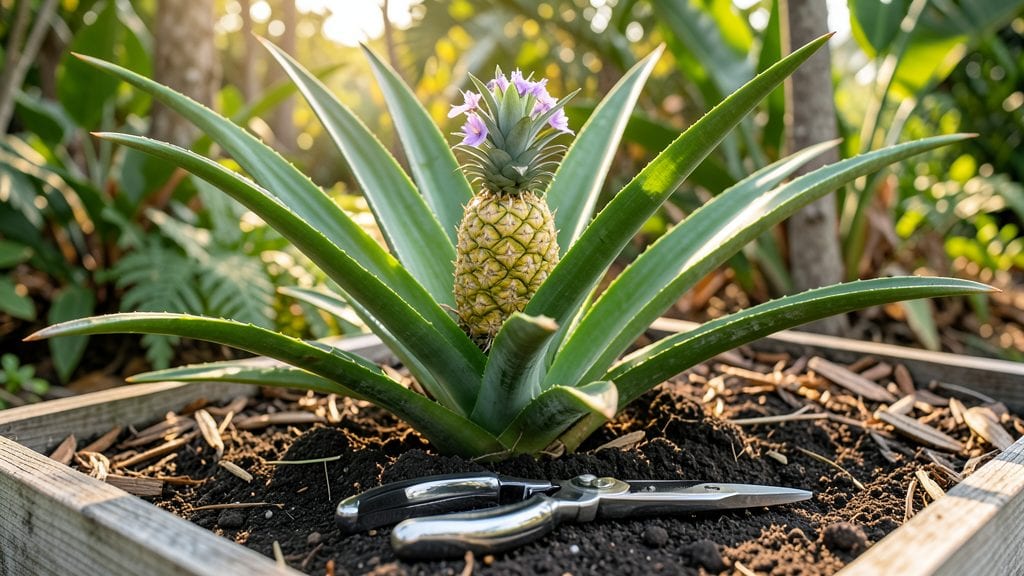
Trimming your pineapple plant isn't just about keeping it tidy—it's the secret to coaxing year-round fruit from a single plant. ✨ I've watched my own pineapple plant go from a scraggly houseplant to a fruit-producing powerhouse just by making three simple cuts at the right times.
The key isn't how much you cut, but where and when you do it.
You'll need sharp pruning shears, rubbing alcohol to sterilize them, and a clear plan for when to trim. Most people make the mistake of cutting too aggressively or at the wrong time—like right after planting or during dormancy.
Instead, focus on removing only the lower leaves that touch the soil, and time your cuts when the plant is actively growing. This encourages new shoots and directs energy toward fruit production.
After trimming, you'll see new growth within 2-4 weeks, and within 6-8 months, you could be harvesting sweet, golden pineapples straight from your kitchen counter. The plant stays compact, produces multiple fruits over time, and looks healthier than ever.
The best part? Each cut you make today could lead to a harvest in the next growing season.
This method works for both indoor and outdoor pineapple plants, as long as they get plenty of sunlight and warmth. Whether you're growing in a pot or the ground, the same principles apply. Let's get those shears ready and turn that plant into a fruit factory!
📚 In This Guide
- What you need
- Instructions
- Tips and common mistakes
- Wrapping up and next steps
What you need
- ● Sharp pruning shears or bypass pruners – 1 pair (sterilized with rubbing alcohol to prevent disease transmission). Choose bypass pruners for clean cuts.
- ● Clean, sharp knife or razor blade – 1 (for precision cuts, especially on suckers).
- ● Garden gloves – 1 pair (nitrile or leather to protect against thorns and sap).
- ○ Horticultural spray (optional but recommended) – 1 bottle (e.g., 70% isopropyl alcohol or copper fungicide) to sterilize tools and cuts.
- ● Small pots or containers – 2-3 (4-6 inch diameter, with drainage holes) for propagating suckers.
- ● Well-draining potting mix – 1 bag (cactus/succulent mix or a blend of perlite, peat, and sand for optimal drainage).
- ○ Rooting hormone (optional) – 1 small tube (to boost sucker growth if desired).
- ● Watering can or spray bottle – 1 (for gentle hydration post-trimming).
- ● Pruning sealant – To coat larger cuts and prevent sap loss or infection.
- ● Labeling tags – For tracking sucker varieties if propagating multiple plants.
- ● Humidity dome or plastic bag – To create a mini greenhouse for new cuttings.
- ● Slow-release fertilizer – A balanced 10-10-10 or low-nitrogen option to nourish the plant post-pruning.
How to trim a pineapple plant for maximum fruit production
Here's the simple system I use to keep my pineapple plant thriving and producing fruit year after year.
✂️ Step 1: Remove Dead or Yellow Leaves
Start by inspecting your pineapple plant for any leaves that are brown, yellow, or completely dried out. These dead leaves drain energy from your plant and can attract pests. Using clean, sharp pruning shears, cut these leaves at the base where they meet the stem.
I always sterilize my shears with rubbing alcohol between cuts to prevent spreading disease. Remove only the leaves that are clearly dead—healthy leaves should be green and firm to the touch. This first cut keeps your plant focused on growing new, productive foliage.
✂️ Step 2: Trim the Top of the Plant After Fruit Harvest
Once your pineapple has been harvested, you'll notice the top of the plant (called the crown) has dried out. Using your sterilized shears, cut the dried crown about 1 inch below where it meets the main stem. This encourages the plant to send out new growth from the base.
Here's the thing—don't cut into living tissue. Look for the point where the crown meets the stem and make your cut just below that. You'll see fresh green growth starting at the base within a few weeks. This second cut is what gives your pineapple plant a second chance at producing fruit.
✂️ Step 3: Prune Off Suckers for Better Fruit Development
Suckers are the small offshoots that grow around your main pineapple plant. While tempting to leave them all, removing most of them helps your main plant focus its energy on producing a single, larger fruit. Use your shears to cut suckers at the base, being careful not to damage the main stem.
I leave just one or two of the strongest suckers to grow into separate plants if I want to expand my collection. The rest get trimmed away. You'll know you're doing it right when your main plant shows new growth at the base and starts developing a new fruit spike within 6-12 months.
🌿 Step 4: Maintain Year-Round with Light Pruning
Between major cuts, keep an eye out for any leaves that are growing inward or crossing over each other. These can create shaded areas that attract fungus. Simply trim these leaves back to maintain good airflow around your plant.
I also check for any small, weak growths that appear along the stem. These can be pinched off with your fingers or trimmed with shears. Regular light pruning keeps your pineapple plant healthy and ensures it's putting all its energy into producing that sweet, tropical fruit.
Tips & tricks for perfect pineapple plant pruning
Mastering these three strategic cuts will transform your pineapple plant into a year-round fruit factory.
The Sterilization Secret: I can't stress this enough—sterilizing your pruning shears with rubbing alcohol between every cut prevents disease spread. I learned this the hard way after losing two plants to bacterial infections. For extra protection, wipe down the blades with a 10% bleach solution (1 part bleach to 9 parts water) and let air dry completely before using.
Visual Cues for Step 2: When trimming the crown after harvest, look for the clear transition point where the dried crown meets the green stem. This is your guide for the perfect 1-inch cut below. If you accidentally cut into living tissue, you'll see fresh green exposed—just trim back slightly to the dried portion. This precision ensures your plant focuses energy on new growth rather than healing wounds.
Sucker Strategy: Don't be tempted to keep all suckers! Removing most of them directs your main plant's energy toward producing a single, larger fruit. I keep just one or two strong suckers to propagate new plants, while trimming the rest at the base. This simple step can double your fruit size within 6-12 months. Look for suckers that are at least 3 inches tall before deciding which to keep.
Year-Round Maintenance: Schedule light pruning sessions every 4-6 weeks to remove crossing leaves and weak growths. This prevents fungal issues by improving airflow. I use my fingers to pinch off small growths and shears for anything thicker than a pencil. Regular maintenance keeps your plant healthy between major trimming sessions and prevents energy drain from unproductive foliage.
Pro Tips for Trimming Pineapple Plant
- Mastering these three strategic cuts will transform your pineapple plant into a year-round fruit factory.
- The Sterilization Secret: I can't stress this enough—sterilizing your pruning shears with rubbing alcohol between every cut prevents disease spread.
- Visual Cues for Step 2: When trimming the crown after harvest, look for the clear transition point where the dried crown meets the green stem.
Frequently asked questions
Got questions about trimming your pineapple plant? You’re not alone! Here are some of the most common queries—plus straightforward answers to keep your plant thriving and productive.
When is the best time to trim a pineapple plant?
Trim your pineapple plant after it produces its first fruit (the "mother" pineapple). This usually happens 12–18 months after planting. Look for a brown, dried-out flower stalk—this signals the perfect time to prune. Avoid trimming during extreme heat or cold, as stress can hinder regrowth.
How many cuts should I make on a pineapple plant?
Focus on three strategic cuts per plant:
- Top cut: Remove the dried flower stalk (the "crown") after fruiting.
- Side shoots: Prune 2–3 healthy "pups" (suckers) growing at the base. Keep one pup to replace the mother plant and save others for propagation.
- Dead leaves: Trim yellowed or damaged foliage to redirect energy to new growth.
Can I trim a pineapple plant without killing it?
Yes! Pineapple plants are tough and bounce back with proper care. Just follow these rules:
- Use sterilized tools (like pruning shears) to prevent disease.
- Avoid cutting into the base of the plant—always leave the "heart" intact.
- Water lightly after trimming to reduce shock.
What can I do with the trimmed-off parts?
The trimmings are goldmines for propagation and composting!
- Pups (side shoots): Plant them in soil to grow new pineapple plants. They root in 2–4 weeks!
- Leaves: Chop and compost them—they break down quickly and add potassium to your soil.
- Dried flower stalk: Save it for crafts (like pineapple-shaped decorations) or toss it in a "worm bin" for nutrient-rich castings.
Why isn’t my pineapple plant producing new suckers after trimming?
If your plant skips the sucker stage, check these common issues:
- Lack of sunlight: Pineapples need 6+ hours of direct sun daily. Move it to a sunnier spot.
- Overwatering: Let soil dry between waterings—soggy roots = no energy for growth.
- Nutrient deficiency: Feed with a balanced fertilizer (like 10-10-10) every 2–3 months.
- Age: Older plants (5+ years) may slow down. Consider replacing it with a younger pup.
Wrapping up and next steps
Trimming your pineapple plant isn’t just about keeping it tidy—it’s the secret to bountiful, year-round harvests! With just three strategic cuts, you can encourage healthier growth, more fruit, and even propagate new plants.
Whether you’re a seasoned gardener or a curious beginner, these simple steps make it easy to nurture a thriving pineapple plant.
Now that you’re armed with the know-how, roll up your sleeves and get trimming! 🌱 Start with the first cut this season, and watch as your plant rewards you with sweet, tropical treats. Happy growing—your future pineapple harvest is waiting!