Shrubs
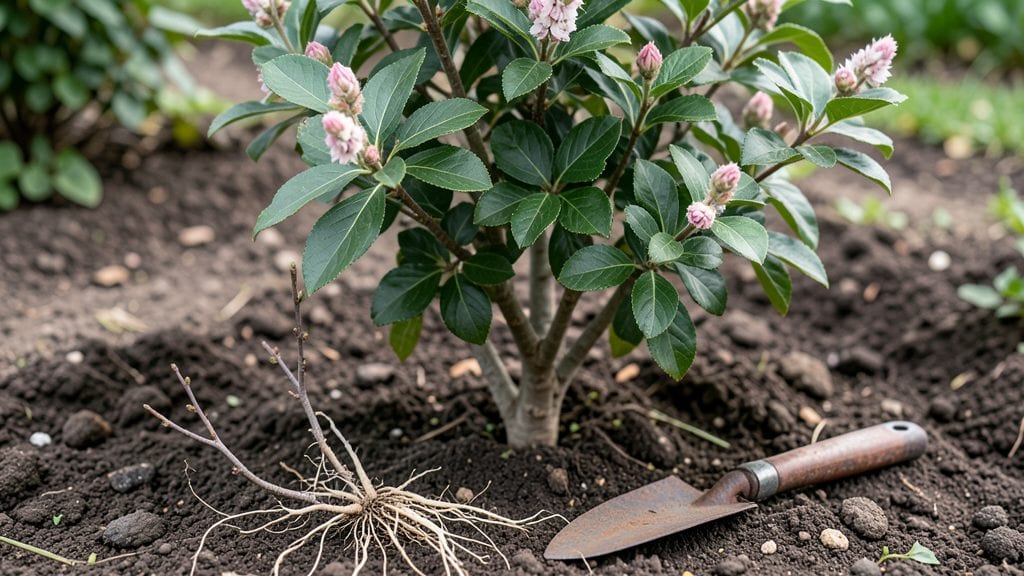
Proper viburnum planting distance determines whether your shrubs grow lush and healthy or struggle for space.
Picture this: your spring garden looks sparse because you planted them too far apart, or your viburnum 🌿 leaves turn yellow because they’re crowded and fighting for nutrients. The right spacing isn’t just about looks—it’s about long-term health and stunning blooms.
Most viburnums need 3 to 6 feet between plants, but the exact distance depends on the variety—dwarf types like Viburnum bodnantense can handle closer spacing, while larger shrubs like Viburnum opulus need more room to spread. Below, I’ll break down the science-backed spacing for your zone, soil, and sunlight conditions.
You’ll learn how to arrange them for airflow, prevent disease, and even adjust spacing for containers or hedges—so your viburnums thrive for years without crowding or gaps.
Optimal Viburnum planting distance by species type
When planting viburnum shrubs, spacing isn’t one-size-fits-all—each species has unique growth habits. Deciduous viburnums like Viburnum dentatum spread wider than evergreen types, while Viburnum plicatum (Japanese snowball) grows taller but narrower. Proper spacing ensures airflow circulation and prevents fungal diseases like powdery mildew, which thrives in crowded, damp conditions.
Below, I’ll break down the ideal planting distances for your favorite viburnum varieties, including how sunlight exposure affects spacing needs.
Sunlight plays a surprising role in spacing decisions. Full-sun varieties like Viburnum opulus (cranberrybush) need more room to avoid shading each other, while partial-shade lovers like Viburnum bodnantense (winter viburnum) can tolerate closer spacing.
Evergreen viburnums also benefit from wider spacing to prevent moisture retention in their dense foliage, which can lead to root rot. Let’s dive into the specifics so you can plan your garden layout like a pro.
🌿
For deciduous viburnums like Viburnum dentatum, spacing them 4–6 feet apart gives them room to spread their horizontal branches without crowding. This variety is a native plant that thrives in wildlife gardens, so wider spacing also benefits pollinators.
If you’re planting Viburnum opulus, which can reach 15 feet tall, give it 8–10 feet of space to avoid shading smaller plants in your landscape.
Evergreen viburnums, like Viburnum plicatum, have a different spacing requirement because their dense foliage retains moisture longer. Planting them 5–8 feet apart reduces the risk of fungal diseases like powdery mildew.
If you’re using them as a privacy hedge, stagger the spacing slightly—plant one row at 5 feet and the next at 7 feet to create a natural, layered look. This also mimics their natural growth habit in forests.
One common mistake I see is assuming all viburnums need the same spacing. Dwarf varieties like Viburnum bodnantense only need 3–5 feet apart, making them perfect for small gardens or container planting. However, if you’re growing them in containers, reduce the spacing to <
How to space viburnums for maximum blooms and airflow
Proper spacing isn’t just about aesthetics—it’s the foundation for healthy viburnum growth and vibrant blooms. When planted too closely, shrubs compete for nutrients and water, leading to stunted growth and disease.
Meanwhile, over-spreading them wastes garden space. The key is balancing air circulation with visual appeal, especially in mixed shrub beds or hedge rows.
For most viburnum varieties, the ideal spacing ranges from 3 to 10 feet, depending on the species and your garden’s layout. In windy climates, you’ll need to adjust spacing to prevent windburn and breakage.
Even in container gardening, spacing affects root development and overall plant vigor. Let’s break down the best practices for different scenarios.
- 3-5 feet for dwarf varieties like Viburnum bodnantense in borders or mixed beds. This spacing ensures full sunlight penetration and minimizes fungal risks from dense foliage.
- 5-8 feet for semi-dwarf types like Viburnum plicatum (Japanese snowball bush). This accommodates their horizontal growth habit and prevents overcrowding in hedges.
- 8-10 feet for standard viburnums like Viburnum opulus (craneberry). Their taller stature and broader canopies require extra room for root expansion and airflow.
- Double the spacing in windy areas (e.g., coastal gardens) to reduce wind stress and stem breakage. Stagger plants in a grid pattern for added stability.
- 18-24 inches apart in container gardens (e.g., large pots or raised beds). Use well-draining soil and regular pruning to manage root competition.
When planting in hedges, space viburnums 5-6 feet apart to create a dense, uniform barrier while allowing pruning flexibility. For mixed shrub beds, alternate viburnums with other shrubs like hydrangeas or spirea to enhance layering and visual interest.
Always account for the mature height—taller varieties should be placed at the back of borders to avoid shading smaller plants.
In windy climates, consider windbreaks like evergreen trees or trellises to reduce exposure. If planting in exposed areas, choose compact varieties like Viburnum carlesii (Korean spice viburnum) and space them 6-8 feet apart.
For container viburnums, select dwarf cultivars and ensure pots are at least 18 inches in diameter to support root growth.
After planting, monitor your viburnums for signs of overcrowding, such as yellowing leaves or reduced flowering. If needed, prune back overgrown branches in late winter to restore airflow. With the right spacing, your viburnums will thrive with lush foliage and abundant blooms for years to come. 🌿