
Watering
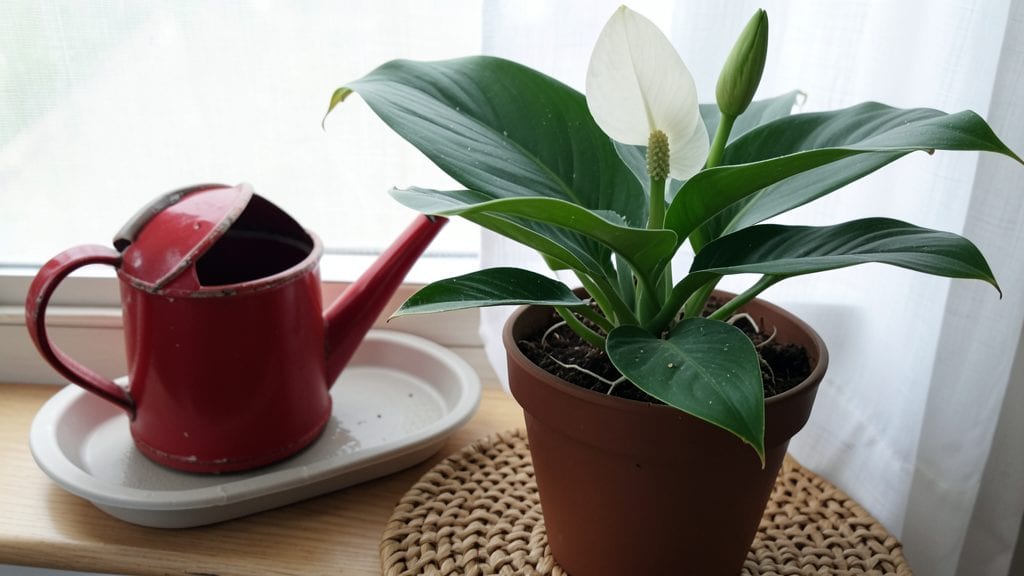
Growing a water spout plant means adding vibrant, drought-proof color to your garden with almost no effort. ✨ These striking plants—like Brunfelsia with its trumpet-shaped blooms or Cuphea with its cascading spouts—thrive where others fail, making them perfect for busy gardeners or dry climates.
They love bright, indirect light but handle partial shade too, and their soil needs are simple: well-draining, slightly acidic mix with minimal fuss. Water only when the top inch feels dry, and you’ll reward them with blooms from spring through fall—no deadheading required.
The key is patience; young plants take a season to settle, but once established, they’re nearly indestructible.
Imagine Cuphea’s delicate red spouts swaying in a hanging basket or Brunfelsia’s deep purple flowers lighting up a sunny patio corner. These plants attract hummingbirds and butterflies while keeping your water bill low.
With just a little space and basic care, you’ll have a showstopper that outlasts most annuals.
Perfect for small gardens, containers, or even as a low-maintenance border. Here’s how to get them growing strong—and why they’re one of the smartest choices for any sunny spot.
📚 In This Guide
- What you need
- Instructions
- Tips and common mistakes
- Wrapping up and next steps
What you need
- ○ Pot: 1 medium-sized pot (10–12 inches in diameter) with drainage holes. Optional: A decorative cache pot for a polished look.
- ● Well-draining potting mix: 1 bag (5–10 quarts) of cactus/succulent mix or a blend of 60% potting soil, 30% perlite, and 10% coarse sand.
- ● Water spout plant: 1 healthy Dracaena marginata (nursery-grown, 1–3 feet tall). Pro tip: Choose a plant with vibrant red edges for a pop of color! 🌟
- ○ Gloves: 1 pair (optional, to protect hands from soil).
- ● Trowel: 1 small garden trowel for planting.
- ● Watering can or spray bottle: 1 (for gentle hydration).
- ○ Fertilizer (optional): 1 bottle of balanced liquid fertilizer (e.g., 10-10-10, diluted to half-strength).
- ○ Humidity tray (optional): 1 (if your home is very dry).
- ● A sunny spot with bright, indirect light (east or west-facing window ideal).
- ● Patience! Water spouts grow slowly but reward you with striking foliage over time. ⏳
Step-by-step instructions for cultivating a thriving water spout plant
Here’s how to coax this stunning drought-tolerant beauty into full, lush growth with almost no fuss.
🪴 Step 1: Select the Perfect Container and Soil Mix
The water spout plant (Sedum morganianum) thrives in containers with excellent drainage. Choose a 6-8 inch terracotta pot—its porous walls help regulate moisture, preventing root rot. Fill the bottom 1 inch with gritty cactus/succulent mix (never regular potting soil—it retains too much moisture). This layer ensures excess water drains away immediately.
Next, add 3 inches of well-draining potting mix (specifically formulated for succulents). Press it down lightly—just enough to remove air pockets, but don’t compact it. The goal is a loose, airy medium that mimics its native rocky habitats. A 1-inch gap between the soil surface and pot rim prevents overflow when watering.
☀️ Step 2: Position for Bright, Indirect Light
This plant demands bright light—at least 6 hours daily—but direct midday sun can scorch its delicate leaves. Place it near an east or west-facing window where it receives gentle morning or afternoon rays. If your space only offers south light, position it 1-2 feet back from the glass to diffuse intensity.
You’ll know the light is right when the stems stay upright and compact, not stretching toward the window. If leaves pale or lose their vibrant hue, it’s getting too much sun. Conversely, if growth slows or stems elongate, move it closer to the light source. Rotate the pot quarter-turn weekly to encourage even, symmetrical growth.
💧 Step 3: Water Sparingly—Only When Soil is Bone-Dry
Overwatering is the #1 killer of water spout plants. Stick your finger 1 inch into the soil—if it feels completely dry, it’s time to water. Use the 3-gallon watering can to saturate the soil until water drains freely from the bottom. Empty the saucer 10 minutes later to prevent soggy roots.
In summer, water every 2-3 weeks; in winter, stretch it to once a month. The plant stores water in its plump stems, so wilting signals thirst—not distress. After watering, wait until the top ½ inch of soil feels dry before repeating. Yellowing leaves or mushy stems mean you’ve overdone it.
✂️ Step 4: Prune and Propagate for Bushier Growth
When stems grow longer than 12 inches, they’ll flop and lose their cascading appeal. Use sterilized pruning shears to snip 2-3 inches from the tips. Place cuttings in a small glass of water—roots form in 2-3 weeks. This keeps your plant full and lets you share cuttings with fellow plant lovers.
For established plants, trim once a month to encourage branching. Focus on leggy stems, but avoid cutting more than ⅓ of the plant at a time. After pruning, reduce watering by half for 2 weeks to help wounds heal. The result? A denser, more vibrant water spout plant that blooms with tiny pink flowers in late spring.
🌿 Step 5: Fertilize Lightly—Only in Growing Season
Feed your plant once in early spring with a diluted succulent fertilizer (½ strength). Mix 1 teaspoon of the granular fertilizer into the top ½ inch of soil and water lightly to activate it. Over-fertilizing burns roots, so skip it entirely in fall and winter when growth slows.
Watch for new leaf growth after fertilizing—that’s your cue it’s working. If leaves turn brown or crispy at the edges, flush the soil with water to remove excess salts. The water spout plant’s beauty lies in its simplicity: less is more when it comes to food and water.
Tips & tricks for cultivating a thriving water spout plant
Between us, the secret to a thriving water spout plant lies in understanding its native desert origins—it's all about mimicking its natural environment with minimal fuss.
Soil Layering Secret: That 1-inch layer of gritty cactus/succulent mix at the bottom isn't just about drainage—it's creating a capillary break that prevents moisture from pooling at the roots. I've seen beginners skip this and end up with root rot within weeks. The key is to press this layer down just enough to create a stable base without compacting it. Think of it as building a tiny desert oasis where water can escape immediately.
Light Positioning Hack: The 6 hours of bright light requirement is non-negotiable, but here's what nobody tells you—the plant's natural growth pattern means it actually prefers the softer light of morning or late afternoon. If you're working with south-facing windows, that 1-2 feet back from the glass is crucial. I learned this the hard way when my plant developed sunburn spots after moving it closer to the window during summer. The pale leaves are your first warning sign—don't ignore them!
Watering Technique: That 10-minute wait after watering to empty the saucer is more important than you might think. I've seen people rush this step and end up with soggy roots that lead to yellowing leaves. The plant's plump stems are actually water storage organs—when they start looking wrinkled, that's when you water, not when they're already wilting. And remember, the 2-3 week summer watering schedule is a guideline, not a rule. Check that soil first!
Pruning Strategy: The once-a-month trimming schedule works wonders for encouraging bushier growth, but here's my game-changer: always trim just above a leaf node where new growth can emerge. I've found that cutting at these precise points leads to more vigorous regrowth than random snips. And that 2-week reduction in watering after pruning? It's not just about healing—it's about preventing shock to the plant while it focuses its energy on new growth rather than recovering from water stress.
Pro Tips for Water Spout Plant
- Between us, the secret to a thriving water spout plant lies in understanding its native desert origins—it's all about mimicking its natural environment with minimal fuss.
- Soil Layering Secret: That 1-inch layer of gritty cactus/succulent mix at the bottom isn't just about drainage—it's creating a capillary break that prevents moisture from pooling at the roots.
- If you're working with south-facing windows, that 1-2 feet back from the glass is crucial.
Frequently asked questions
Got questions about keeping your water spout plant (Tricyrtis hirta) happy and thriving? You’re not alone! Here are some of the most common queries—and their straightforward answers—to help you grow this drought-tolerant beauty with confidence.
How often should I water my water spout plant?
Water spout plants are drought-tolerant but appreciate consistent moisture. Water deeply once a week during active growth (spring-fall) and reduce to every 2-3 weeks in winter. Let the top 1-2 inches of soil dry out between waterings—overwatering is their biggest enemy!
Can water spout plants survive winter?
Yes! These hardy plants thrive in USDA Zones 5-9 and handle frost well. In colder climates (Zone 5), mulch the base with 2-3 inches of organic matter (like shredded bark) to protect roots. No need to fuss—they’ll bounce back in spring!
What if my water spout plant’s leaves turn yellow?
Yellow leaves usually signal overwatering or poor drainage. Check the soil—if it’s soggy, cut back on water and ensure the pot has drainage holes. If the roots smell rotten, repot in fresh, well-draining soil. Pro tip: Yellowing from old age? Prune those leaves to encourage new growth!
Does this plant need full sun?
Nope! Water spout plants prefer partial shade (morning sun + afternoon shade) to avoid leaf scorch. In hotter climates, dappled sunlight is ideal. Too much sun? Watch for crispy edges—move it to a shadier spot if needed.
Will it bloom indoors?
While they’ll grow indoors, blooms are triggered by outdoor conditions (like seasonal temperature shifts). For indoor plants, place them near a bright, east-facing window and mimic outdoor seasons by reducing water in winter. Patience pays off—some may still surprise you with delicate flowers!
Wrapping up and next steps
The water spout plant proves that stunning greenery doesn’t require constant care—just a little patience and the right conditions! 🌿 With its drought-resistant charm and minimal upkeep, this beauty thrives even in forgetful hands, making it perfect for busy gardeners or those new to plant parenting.
Whether you’re drawn to its cascading foliage or its hardy nature, this plant is a fantastic addition to any indoor or outdoor space.
Ready to bring home your water spout plant? Start by gathering your supplies, picking the perfect spot, and giving it the love it deserves. With these tips, you’ll be enjoying its lush, carefree beauty in no time—without the stress of overwatering or fussing!