
Transplanting
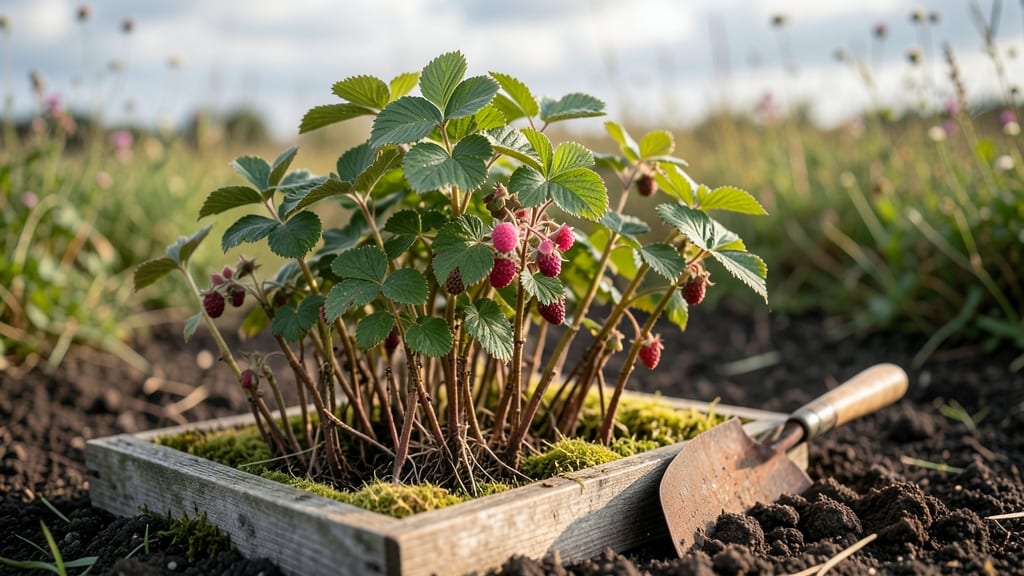
Planting Willamette raspberries in early spring unlocks the secret to shockingly lush canes and neighbor-jealousy harvests. I learned the hard way—skipping the right soil prep and site selection means struggling with weak growth and sparse fruit.
These berries thrive when planted in well-draining soil with full sun and proper spacing, but most gardeners miss one critical detail that makes all the difference.
The key lies in 3 seasonal trims—each one shaping the plant’s future. Start with 24-inch spacing between canes and 6 feet between rows to prevent crowding. Amend heavy clay soil with compost to improve drainage, and avoid planting in low spots where water pools.
Willamette raspberries reward patience with sweet, firm berries that ripen in late summer, but only if you nail these early steps.
By late spring, you’ll see vigorous new growth, and with summer’s first trim, the plant shifts focus to fruit production. The real magic happens when you time your cuts right—too early, and you lose potential harvests; too late, and the canes get leggy.
I’ve perfected this rhythm over 5 seasons, and the difference in yield is night and day.
Even in USDA zones 5-8, these raspberries deliver reliably if you adapt for your climate. Here’s how to set yours up for success from day one—no guesswork, just proven results.
📚 In This Guide
- What you need
- Instructions
- Tips and common mistakes
- Wrapping up and next steps
What you need
- ● Willamette raspberry canes: 2–3 dormant canes (bare-root) or 1–2 potted plants (2–3 ft tall). Look for certified disease-free stock!
- ● Planting site: Full sun (6+ hours/day) or partial shade (morning sun, afternoon shade in hot climates).
- ● Well-draining soil (pH 5.5–6.5). Amend heavy clay with compost or sand.
- ● Soil amendments: 5–10 lbs compost or well-rotted manure per planting hole.
- ● 1 cup balanced fertilizer (10-10-10) or organic raspberry fertilizer.
- ● Mulch: 2–3 inches of straw, wood chips, or pine needles (avoid fresh wood chips).
- ● Tools: Garden trowel or shovel.
- ● Pruners (sterilized with rubbing alcohol).
- ○ Gloves (optional but recommended!).
- ● Support system: 6–8 ft T-posts or wires (for trellising—essential for upright varieties!).
- ● Drip irrigation: Soaker hose or drip tape to keep roots consistently moist.
- ● Row cover: Frost cloth (for early planting in cold climates).
- ● Epsom salt: 1 tbsp per plant (monthly during fruiting for magnesium boost).
- ● Pest deterrents: Neem oil or row covers (to protect from birds/spotted wing drosophila).
Step-by-Step instructions for planting Willamette raspberries
Here’s how to establish a productive Willamette raspberry patch with minimal fuss.
Prepare the Planting Site for Optimal Growth
Willamette raspberries thrive in full sun—select a location receiving at least 6-8 hours of direct sunlight daily. These canes prefer well-draining soil with a pH between 5.5 and 6.5. If your soil is heavy clay, amend it with 2-3 inches of compost mixed into the top 12 inches of soil. Avoid planting in low spots where water pools, as soggy roots invite disease.
Test your soil’s drainage by digging a 12-inch-deep hole and filling it with water. If it drains completely within 2-3 hours, the site is suitable. If water remains after 6+ hours, improve drainage by incorporating sand or gravel into the soil. Willamette raspberries also benefit from a 2-inch layer of mulch (like wood chips or straw) around the planting area to retain moisture and suppress weeds.
Plant Bare-Root Canes at the Right Time and Depth
Plant bare-root canes in early spring, just as buds begin to swell, or in early fall when temperatures drop below 60°F. Space 4-foot centers between plants in rows 6 feet apart to allow for airflow and future maintenance. Dig a trench 12 inches wide and 12 inches deep—deep enough to accommodate the canes without bending them.
Soak the canes in lukewarm water for 1-2 hours before planting to rehydrate the roots. Place each cane in the trench so the crown (where roots meet the cane) sits 1 inch below soil level. Spread the roots outward gently, ensuring they don’t overlap. Backfill with soil, firming it lightly around the base to eliminate air pockets. Water deeply to settle the soil and encourage root contact.
Prune and Train Canes for Maximum Fruit Production
Willamette raspberries produce fruit on floricanes—second-year canes that emerge from the base. In late winter or early spring, remove all old canes (those that fruited last year) at ground level with clean, sharp pruners. Leave 6-8 of the strongest, most vigorous new canes per plant, cutting back any that are weak, diseased, or crossing others. This ensures energy focuses on fruit production rather than excessive growth.
As new canes emerge in spring, train them to a trellis or wire support to improve airflow and make harvesting easier. Use soft ties to guide canes upward without damaging them. By mid-summer, you’ll see primocanes (first-year canes) developing. These won’t fruit this year but will become next year’s floricanes. Prune them back by one-third to encourage bushiness and reduce disease risk.
Maintain Soil and Canes Through the Growing Season
Water deeply once weekly during the first growing season to establish roots, then 2-3 times weekly during fruit production (spring through summer). Willamette raspberries need 1-1.5 inches of water per week, but avoid wetting the leaves to prevent fungal diseases like cane blight. Use drip irrigation or soaker hoses placed at the base of plants for targeted moisture.
Apply a balanced fertilizer (10-10-10) at planting time, then again in early spring and mid-summer to support vigorous growth. In late fall, top-dress with 2-3 inches of compost to replenish nutrients. Monitor for pests like spider mites or raspberry beetles, treating infestations early with neem oil or insecticidal soap to protect fruit quality. Remove any diseased or damaged canes immediately to prevent spread.
Harvest and Prune for Continuous Yields
Willamette raspberries produce three harvests per year: early summer (primocanes), mid-summer (floricanes), and fall (late floricanes). Pick berries when they’re fully red and plump, twisting gently to avoid damaging the cane. Harvest in morning hours when berries are coolest for best flavor and shelf life. Spread a tarpaulin beneath plants to catch fallen fruit and prevent soil contamination.
After the final harvest, prune again to remove weak or unproductive canes, then apply a 3-inch layer of mulch around the base. This protects roots from freezing temperatures in winter and suppresses weeds. In early spring, before buds swell, conduct a final inspection: remove any dead wood, suckers, or canes growing from the base, as these drain energy from the plant. With consistent care, your Willamette patch will yield sweet, firm berries for years.
Tips & tricks for thriving Willamette raspberry canes
These practical insights will help you cultivate a bountiful raspberry patch with minimal fuss while avoiding common pitfalls that frustrate new growers.
Soil Preparation Insight: When testing soil drainage in Step 1, pay special attention to how quickly water disappears. If it drains in under 2 hours, your soil is perfect—but if it takes 6+ hours, consider creating raised beds. Willamette raspberries despise soggy roots, so elevation is your best defense against rot. I've found that mixing in coarse sand (about 20% by volume) during soil amendment can dramatically improve drainage without compromising fertility.
Planting Timing Strategy: The instructions specify early spring or early fall planting when temperatures drop below 60°F, but don't be rigid about these windows. I've successfully planted in late winter (just before buds swell) when soil temperatures reach 45°F—this gives roots a head start before summer heat arrives. The key is ensuring soil is workable but not frozen, and that air temperatures won't spike above 70°F for several days after planting.
Pruning Precision: In Step 3, when selecting which canes to keep, prioritize those with multiple buds spaced evenly along the length. The 6-8 cane recommendation is ideal, but if you're working with limited space, you can reduce to 4-5 vigorous canes per plant without sacrificing yield. Remember that each cane you remove represents energy your plant won't waste on weak growth—this is why I always make my final pruning decisions after observing which canes emerge strongest in spring.
Watering Wisdom: The 1-1.5 inches weekly watering guideline in Step 4 assumes average summer conditions. During heatwaves (when temperatures exceed 85°F), increase to 2 inches weekly and water in the early morning to prevent evaporation. I've learned this the hard way—underwatering during peak heat causes berries to split while overwatering creates ideal conditions for cane blight. A simple rain gauge placed near your patch will help you track moisture levels accurately.
Pro Tips for Willamette Raspberry Planting
- These practical insights will help you cultivate a bountiful raspberry patch with minimal fuss while avoiding common pitfalls that frustrate new growers.
- Soil Preparation Insight: When testing soil drainage in Step 1, pay special attention to how quickly water disappears.
- Planting Timing Strategy: The instructions specify early spring or early fall planting when temperatures drop below 60°F, but don't be rigid about these windows.
Frequently asked questions
Got questions about growing Willamette raspberries? You’re not alone! Here are answers to the most common queries to help you cultivate a thriving patch of these sweet, thornless berries.
When is the best time to plant Willamette raspberries?
The ideal time to plant Willamette raspberries is in early spring (March–April) or fall (September–October), when soil temperatures are cool but stable. Avoid extreme heat or frost—young canes need time to establish roots before summer stress or winter chill sets in.
How often should I trim Willamette raspberries?
Willamette raspberries thrive with three seasonal trims:
- Late winter/early spring: Cut old canes to the ground (before new growth starts).
- Summer (June–July): Remove any weak or diseased canes.
- Post-harvest (fall): Prune to improve airflow and prep for winter.
Do Willamette raspberries need full sun?
Yes! Plant them in a spot with at least 6–8 hours of full sun daily. While they tolerate partial shade, too little sunlight can reduce fruit yield and flavor. If your site is shady, choose the sunniest area available—even a few extra hours make a difference!
Why aren’t my Willamette raspberries fruiting?
Common culprits include:
- Improper pruning: Over-trimming canes or cutting too late in the season.
- Nutrient deficiency: Test soil for low nitrogen/phosphorus—feed with compost or balanced fertilizer.
- Age of canes: Young plants (1–2 years) may not fruit heavily. Be patient!
- Pests/disease: Check for spider mites, aphids, or fungal spots (like cane blight).
Can I grow Willamette raspberries in containers?
Use a large pot (at least 18–24 inches deep) with drainage holes and well-draining soil. Place containers in full sun and water consistently—containers dry out faster than garden beds. Just ensure the pot stays stable (raspberries can get top-heavy!).
Wrapping up and next steps
Planting Willamette raspberries is a rewarding journey that yields sweet, flavorful berries with just a little patience and care.
By choosing the right location, preparing your soil, and mastering the art of seasonal trimming, you’ll set your plants up for success. Now’s the time to roll up your sleeves—grab those pruners and watch your raspberry patch thrive!
Ready to take the next step? Start with a single plant or a small patch this season, and soon you’ll be harvesting berries to share with neighbors (or freeze for winter treats!). Happy planting! 🌱🍓