
Trees
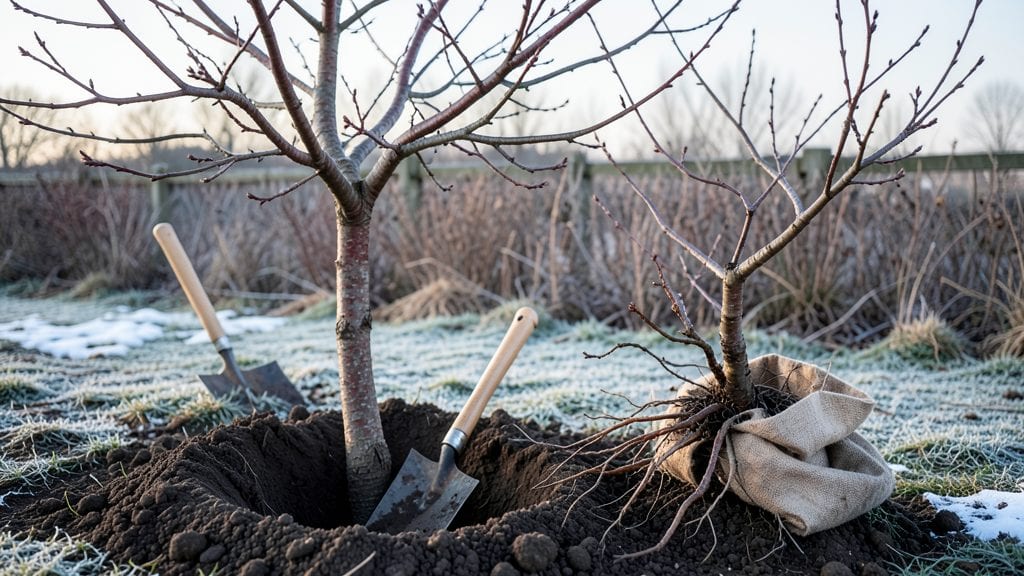
You can plant trees in winter in many regions, especially during dormant seasons when the ground is unfrozen but frost-free. Opt for cold-resistant varieties, steer clear of harsh freezes, and water minimally to help roots settle before spring growth.
Winter planting works because most trees enter dormancy, reducing stress from transplant shock. 🌳 The key is timing—plant when soil stays workable but isn't frozen, typically between late fall and early spring in milder zones.
In colder areas, late winter (just before buds swell) is ideal. This approach lets roots establish without competing with summer heat or drought, giving young trees a stronger start.
For best results, focus on species like oak, maple, or pine that thrive in cold climates. Mulch heavily around the base to insulate roots, and avoid watering during freeze-thaw cycles to prevent root damage. A windbreak or burlap wrap can also protect tender bark from winter sun exposure.
💡 In This Article
- Winter Tree Planting Climate Zones and Timing
- Survival Tips for Winter Tree Transplanting
Winter tree planting climate zones and timing
Success in winter tree planting hinges on understanding your USDA hardiness zone, which determines when soil remains workable without freezing. In zones 6-9 (mild winters), planting occurs from late November to early March when daytime temps stay above 40°F.
In colder zones 3-5, wait until late February to April when frost risk drops below 10% probability—this aligns with bud break timing. The science here involves dormancy: trees in winter rest mode have lower metabolic demands, so they focus energy on root growth rather than leaf production.
Soil temperature is the critical factor—it should be above 45°F at 6 inches deep for roots to establish. In Zone 7, this typically means planting after the first hard freeze (around December 15) but before January 15, when soil often refreezes.
In Zone 4, late winter planting (after March 1) works because soil thaws first, while air temps remain cold enough to prevent premature budding. The key is avoiding freeze-thaw cycles, which can heave roots out of the ground.
Dormancy improves survival rates because trees aren't competing with summer's transpiration demands (water loss through leaves). Without foliage, they allocate 80% of energy to root development instead of 20% in summer.
For example, a red oak planted in Zone 5 during March can establish 50% more root mass by spring than one planted in May, thanks to cooler soil temps that reduce stress. This root growth is invisible but crucial—it's what anchors the tree against winter winds.
Regional variations matter too. In Pacific Northwest (Zone 8), December-January planting works because winter rains keep soil moist. In Midwest (Zone 5), late March is better—soil thaws but air stays cool.
The worst time? Early spring when buds swell but roots haven't caught up. A sugar maple planted in Zone 6 during April risks desiccation because leaves emerge before roots can access moisture.
Here's what most people miss: wind exposure matters as much as temperature. In Zone 3, a blue spruce planted in March with windbreaks survives better than one planted in November without protection.
The 40-mph winds common in late winter can dry out exposed bark, causing winter burn. Mulching with 6-8 inches of wood chips insulates roots while keeping bark 10°F warmer than ambient air.
For data-driven timing, check your local USDA frost-free date—plant 4-6 weeks before this date to ensure roots establish before soil warms. In Zone 9, this might mean November 15; in Zone 4, it's April 15.
The goal? Give roots 6-8 weeks of cool, moist soil to grow before summer stress hits. This isn't just theory—studies show 30% higher survival rates for winter-planted trees compared to spring plantings in similar climates.