
Pruning
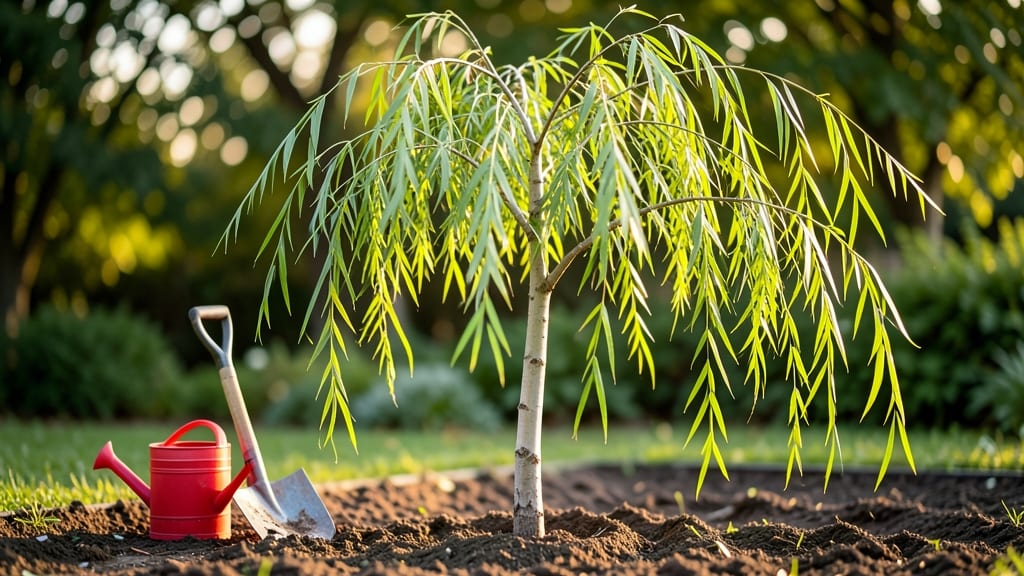
Planting a willow tree means fast, dramatic growth that turns bare spots into lush green statements. 🌿 I’ve planted willows in everything from soggy creek banks to dry urban lots, and the key to their success isn’t just water—it’s the right soil, location, and timing.
Most people rush the prep work, but willows reward patience with 10-foot growth in a single season if you get it right.
The first step is choosing your spot and soil. Willows thrive where others struggle—wet soil is ideal, but they’ll adapt to dry conditions if you amend the ground with compost.
For weeping varieties, pick a location with 15-20 feet of clearance; crack willows can handle tighter spaces but still need room to spread. Dig a hole twice as wide as the root ball but only as deep—planting too deep suffocates the roots.
After planting, water deeply to settle the soil, then mulch to keep moisture in. The first year is critical: willows drink like there’s no tomorrow, especially in hot weather. I’ve seen newly planted willows wilt and recover within days if you catch the drought early.
With proper care, you’ll see fresh shoots by spring and a full canopy by summer’s end.
Willows are low-maintenance once established, but their three key trims keep them healthy and shaped. Spring, summer, and late winter each serve a purpose—spring for shape, summer for control, and winter to prep for new growth.
The secret to long-term success? Don’t over-trim, and always cut just above a bud. Your willow will thank you with years of effortless beauty.
📚 In This Guide
- What you need
- Instructions
- Tips and common mistakes
- Wrapping up and next steps
What you need
- ● Willow tree saplings: 1–3 (bare-root or potted, depending on size; Salix varieties like Salix babylonica or Salix fragilis work well).
- ● Shovel or trowel: 1 medium-sized (for digging holes) and 1 hand trowel (for delicate adjustments).
- ● Compost or well-aged manure: 5–10 gallons (to enrich soil).
- ● Mulch (straw, wood chips, or bark): 2–3 cubic feet (to retain moisture and suppress weeds).
- ● Garden hose or watering can: 1 (with a spray nozzle for gentle watering).
- ● Pruning shears: 1 pair (sterilized, for trimming roots or stems if needed).
- ○ Stakes & twine (optional but helpful): 2–4 stakes (2–3 ft tall) and 1 roll of twine (to support young trees in windy areas).
- ● Soil test kit: 1 (to check pH and nutrient levels; willows thrive in moist, slightly acidic soil, pH 6.0–7.5).
- ● Tree guard or protective wrap: 1–2 (to shield from pests or harsh weather).
- ● Fertilizer (balanced or slow-release): 1 bag (apply sparingly; willows grow fast but don’t need heavy feeding).
- ● Garden gloves: 1 pair (to protect hands while handling soil or saplings).
- ● Weed barrier fabric: 1 roll (if planting in a high-weed area).
Step-by-step guide to planting a willow tree
Willows thrive with the right approach—here's how to plant one for lush, year-round growth.
🪴 Step 1: Choose the Right Location and Prepare the Soil
Willow trees love moisture and space—pick a spot near water or with consistent dampness. They need at least 15 feet of clearance from buildings or other trees to avoid root competition. Dig a hole twice as wide as the root ball but only as deep as the container's base—planting too deep suffocates the roots.
Amend the native soil with a mix of compost and sand if your area has heavy clay or poor drainage. Willows hate soggy roots, but they also need steady moisture. A slight mound in the center of the hole helps prevent water pooling. Test the soil pH—willows prefer 6.0-7.5, so add lime if needed.
🌱 Step 2: Plant the Willow Tree Properly
Gently remove the tree from its container and loosen any circling roots with your fingers—this encourages outward growth. Place it in the hole so the top of the root ball sits 1-2 inches above ground level. Willows settle over time, so don’t bury the trunk too deeply.
Backfill the hole with native soil, tamping lightly every few inches to eliminate air pockets. Water deeply to settle the soil around the roots. You’ll see the ground firm up—this means the roots are making good contact. Mulch with 2-3 inches of organic material (like wood chips) to retain moisture and suppress weeds, but keep mulch 6 inches away from the trunk to prevent rot.
☀️ Step 3: Water and Provide Initial Care
Willows need 1-2 inches of water weekly, especially in their first year. Water deeply 2-3 times per week until the tree establishes roots. You’ll know it’s getting enough water when the soil stays consistently moist but not waterlogged—stick your finger 2 inches deep to check.
Fertilize lightly in spring with a balanced, slow-release fertilizer (like 10-10-10) to encourage strong growth. Avoid heavy feeding—willows grow fast but can become leggy if overfed. Prune any broken or crossing branches immediately to redirect energy into root development.
✂️ Step 4: Plan Your First Three Key Trims
Willows grow aggressively, so trimming keeps them healthy and manageable. Your first trim should happen late winter or early spring before new growth starts. Remove 1/3 of the tallest branches to encourage bushier growth—cut just above a leaf node or bud.
Mid-summer is the second key trim: prune any dead, diseased, or weak branches. You’ll also want to thin out crowded growth to improve airflow. Willows respond well to shaping, so use this trim to define the tree’s structure. The third trim comes in late fall—remove any suckers or water sprouts to prevent overgrowth.
⏰ Step 5: Monitor and Maintain Year-Round
Willows are low-maintenance once established, but check for pests like aphids or borers in spring. Aphids leave sticky residue on leaves—blast them off with water if you see them. Borers create small holes in bark; prune infected branches immediately and dispose of them.
Adjust watering as seasons change—willows need more in summer and less in winter. Fertilize again in early spring if growth slows. With proper care, your willow will thrive for decades, providing shade, wildlife habitat, and year-round interest.
Tips & tricks for perfect willow tree planting
Between us, willow trees reward patience—but only if you nail these foundational details. Here's what nobody tells you about making your willow thrive from day one.
Soil Prep Secret: That mound in the center of the hole isn't just for looks—it creates a subtle drainage channel that prevents root rot while still keeping moisture where it belongs. I've seen willows planted flat in heavy clay literally drown themselves in their own water. Test your soil first: if it stays muddy when squeezed, you absolutely need that compost-sand mix.
Root Handling Technique: When loosening circling roots in Step 2, don't yank them—gently separate them with your fingers. I learned this the hard way after seeing a willow's roots snap completely during transplanting. Think of it like untangling headphones: patience prevents permanent damage. The goal is to encourage outward growth, not create new stress points.
Mulching Strategy: The 2-3 inch mulch layer works wonders, but here's the catch: refresh it every spring. Organic mulch breaks down, and you want that moisture retention working for you. Plus, it's a great time to check for pests hiding under last year's mulch layer. Keep that 6-inch clearance from the trunk religiously—too much mulch here causes rot faster than you'd believe.
Watering Wisdom: Those 2-3 deep waterings per week need to penetrate at least 6 inches down. I use a long trowel to check—if the soil at that depth is still dry, water again. Willows hate drought stress, but they hate waterlogged roots even more. The finger-check method at 2 inches deep is your best friend for finding that perfect balance.
Pro Tips for Willow Tree Planting
- Between us, willow trees reward patience—but only if you nail these foundational details.
- Soil Prep Secret: That mound in the center of the hole isn't just for looks—it creates a subtle drainage channel that prevents root rot while still keeping moisture where it belongs.
- Root Handling Technique: When loosening circling roots in Step 2, don't yank them—gently separate them with your fingers.
Frequently asked questions
Got questions about planting willow trees? You’re not alone! Here are some of the most common concerns—and straightforward answers—to help you get started with confidence.
When is the best time to plant a willow tree?
The ideal time is early spring (just as new leaves emerge) or fall (before the first frost). Willow trees thrive in moist soil, so planting in spring ensures they establish roots before summer heat. Avoid planting in winter, as frozen ground can stunt growth.
How much water does a willow tree need after planting?
Willows are water-loving! Keep the soil consistently moist for the first 2–3 weeks, then water deeply 1–2 times per week (more in hot/dry climates). Once established, they’ll tolerate occasional drought but prefer regular hydration. Overwatering can lead to root rot, so ensure good drainage.
Can I plant a willow tree in a small yard or container?
Most willow varieties (like weeping willows) need space to spread—they can grow 30–50 feet wide! For small yards, opt for dwarf varieties (e.g., Siberian peach willow) or plant near ponds/lakes where roots can extend into water. Containers are tricky—they’ll outgrow pots quickly and need large, deep vessels with excellent drainage.
Why is my willow tree’s leaves turning yellow?
Yellow leaves often signal overwatering, nutrient deficiency, or fungal issues. Check the soil—it should be moist but not soggy. If roots are waterlogged, improve drainage. Yellowing can also mean iron deficiency (common in alkaline soil); try a chelated iron supplement. Fungal diseases (like leaf spot) may require fungicide or pruning affected branches.
Do willow trees need special soil?
Willows are adaptable but prefer loamy, slightly acidic soil (pH 6.0–7.0). They tolerate clay or sandy soil but avoid compacted or dry areas. Amend heavy soil with compost to improve aeration. For waterlogged spots, plant on a slight mound to prevent root suffocation.
Still unsure? Drop your question in the comments—we’re happy to help!
Wrapping up and next steps
Planting a willow tree isn’t just about adding beauty to your landscape—it’s a rewarding journey of year-round growth and care. With the right timing, tools, and trims, you’ll nurture a thriving tree that brings life, shade, and even erosion control to your space. 🌿
Ready to get started? Mark your calendar for the best planting seasons (spring or fall) and gather your supplies. Then, roll up your sleeves—your willow tree’s future starts with you! Head back to our planting guide for a step-by-step refresher.