
Companion Plants
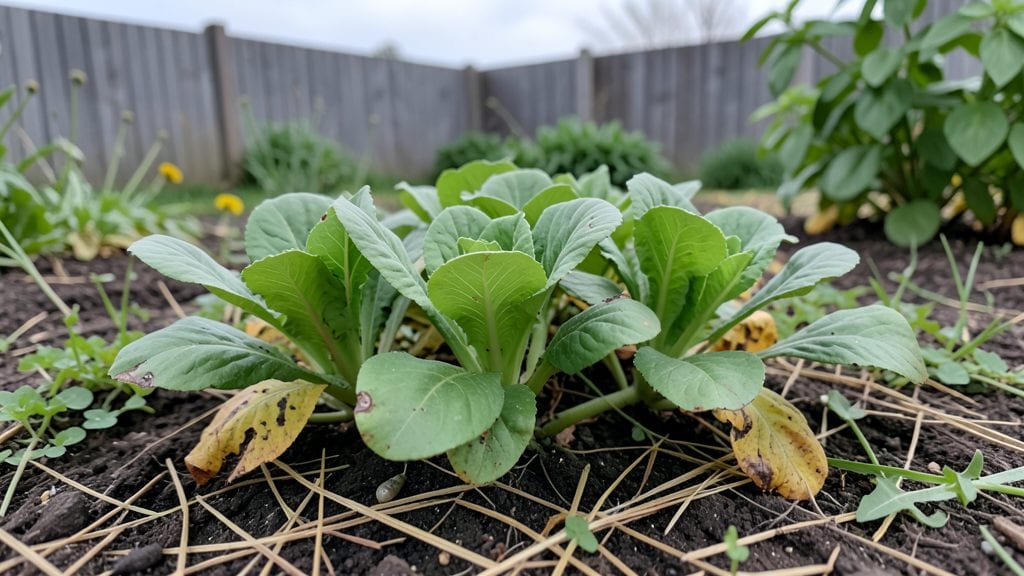
Caring for young lettuce plants means your first crisp salads could arrive in just 3-4 weeks—if you nail the early stages. I’ve watched tiny seedlings bolt into full heads of buttercrunch or romaine by following a few key rules about light, water, and soil that most beginners miss.
The difference between thriving greens and sad, bitter leaves often comes down to these first few weeks when roots are still finding their footing.
Here’s the game-changer: lettuce seedlings need consistent moisture but hate soggy soil, bright light without scorching, and space to stretch without crowding. I’ve learned that skipping the shade cloth on hot afternoons or letting them dry out between waterings turns my crispy greens into tough, seedy messes.
The right setup—whether in flats, pots, or the ground—makes all the difference for that fast harvest you’re after.
By the time you’re pinching off the first leaves, you’ll have plants that stay tender and sweet instead of bolting into bitterness. The secret is watching for those early signs of stress—yellowing leaves mean too much water, while leggy stems scream for more light.
With these adjustments, you’ll go from fragile seedlings to harvest-ready greens in record time.
Works for all lettuce varieties—looseleaf, romaine, butterhead—whether you’re growing in containers or a garden bed. Let’s get those young plants on the right track before they outgrow their potential.
📚 In This Guide
- What you need
- Instructions
- Tips and common mistakes
- Wrapping up and next steps
What you need
- ● Young lettuce seeds: Choose fast-germinating varieties like Buttercrunch, Leaf Lettuce, or Romaine (1–2 packets, ~500–1,000 seeds total).
- ● Seed-starting trays or biodegradable pots: 72-cell trays (for precision) or 2–3 inch pots (for transplanting).
- ● Seed-starting mix: Lightweight, sterile potting mix (1–2 bags, ~1–2 cubic feet). No garden soil—it’s too dense!
- ● Watering can or spray bottle: With a fine mist nozzle (to avoid disturbing seeds).
- ● Grow lights or sunny windowsill: 12–16 hours of light daily (LED grow lights work great).
- ○ Plastic wrap or humidity dome: To retain moisture (optional but helpful for germination).
- ○ Fertilizer (optional but recommended): Balanced liquid fertilizer (5-5-5 or 10-10-10) for young seedlings.
- ● Small hand trowel or spoon: For gently pressing seeds into soil.
- ● Plant labels: To track varieties (especially if growing multiple types).
- ○ Heat mat (optional): For faster germination (70–75°F ideal).
- ● Companion plant seeds: Try radishes or carrots to deter pests naturally!
How to grow young lettuce plants quickly for fresh salads
Here's my go-to method for getting crisp, fast-growing lettuce ready in weeks.
Prepare Your Growing Containers
Use clean containers at least 6 inches deep with drainage holes to prevent soggy roots. I like shallow trays or individual pots for easy transplanting later. Fill them with 2-3 inches of well-draining potting mix—never garden soil, as it compacts too much and slows growth. Moisten the mix until it feels like a damp sponge, but not dripping wet. This ensures roots can spread quickly without struggling for moisture.
If you're sowing directly in garden beds, loosen the top 4-6 inches of soil to help young roots establish. Remove any weeds or debris first—competition slows your lettuce down. I like to work the soil when it's slightly damp, as dry clumps resist root penetration. This prep step makes all the difference in how fast your seedlings emerge.
Sow Seeds at the Right Depth and Spacing
Sprinkle seeds ¼ inch deep—lettuce germinates best when barely covered. Scatter them ½ inch apart in rows spaced 12 inches apart if planting in beds, or 1 inch apart if using containers. Press them lightly into the soil so they make good contact. I tap the back of a spoon gently over the seeds to ensure even coverage without burying them too deep.
Keep the soil consistently moist but never soggy during germination. A spray bottle works best—it delivers fine mist without disturbing the seeds. You'll see tiny sprouts in 5-7 days if conditions are right. If the soil dries out, germination slows dramatically. This is where most beginners go wrong: overwatering or letting the soil dry completely.
Provide Ideal Light and Temperature
Lettuce thrives in cool temperatures between 60-65°F. If your nights dip below 50°F, cover seedlings with a lightweight row cover to protect them. Place containers or beds in a spot with 4-6 hours of sunlight daily—direct sun speeds up growth but can cause bolting (going to seed) in hot weather. I start mine in partial shade if temperatures exceed 75°F to keep them crisp.
Once seedlings reach 2 inches tall, thin them to 4-6 inches apart in containers or 8-12 inches apart in garden beds. This prevents overcrowding, which leads to leggy, weak plants. Use sharp scissors to snip unwanted seedlings at soil level—pulling can disturb roots of nearby plants. You'll have stronger, faster-growing lettuce when they have space to stretch.
Water and Fertilize for Fast Growth
Water lettuce 1-2 times weekly, keeping the soil evenly moist but never waterlogged. I check moisture by sticking my finger 1 inch deep—if it feels dry, it's time to water. Avoid overhead watering to prevent fungal diseases like downy mildew. Instead, water at the base using a gentle stream or drip system. Consistent moisture is key to fast, crisp growth.
After thinning, feed seedlings with a balanced liquid fertilizer (like 10-10-10) diluted to half strength. Apply it every 2 weeks to encourage leafy growth. I avoid heavy fertilizers early on—they promote leaf growth at the expense of root development. Your goal is 3-4 inch tall plants in 3-4 weeks, ready for harvesting or transplanting.
Harvest or Transplant Young Plants
For baby lettuce, harvest outer leaves when they reach 2-3 inches—this encourages continuous growth. Use clean scissors to cut just above a leaf node. You'll get 4-6 harvests per plant this way. If you're growing for larger heads, wait until plants are 6-8 inches tall before harvesting the whole head. Always harvest in the morning when leaves are crispest.
If transplanting, do it on a cool, overcast day to reduce stress. Dig a hole slightly larger than the root ball and firm soil around the base. Water deeply after transplanting to help roots establish. With proper care, your young lettuce will be ready for salad in 4-6 weeks total—fast enough to enjoy fresh greens without waiting months.
Tips & tricks for perfect young lettuce plants
Here's what I've learned to help your young lettuce grow faster and stay crisp for those early salad harvests.
Soil Preparation is Everything: In Step 1, don't rush the soil prep. I like to add a handful of compost to those 2-3 inches of potting mix to give seedlings a nutrient boost right from the start. This helps roots establish more quickly, which is key for that 3-4 week growth goal. Also, if you're using containers, make sure they're clean—old containers can harbor diseases that slow growth.
Germination Timing Tip: Those 5-7 days for germination in Step 2 can feel like forever, but consistency is key. I set a reminder to check moisture every other day—lettuce seeds need that damp sponge-like consistency. If your kitchen gets dry, place a tray of water nearby to increase humidity. This helps speed up germination by about 24 hours in dry conditions.
Light and Temperature Balance: When you're placing your containers in Step 3, aim for that 4-6 hours of sunlight but watch for temperatures. If your area hits 75°F or above, move containers to partial shade during peak afternoon heat. I've found that keeping temps between 60-65°F during the day prevents bolting while still promoting fast growth. A simple shade cloth works wonders if you don't have natural shade options.
Thinning Technique Matters: In Step 3, when thinning those 2-inch tall seedlings, be patient. I use clean scissors to snip at soil level rather than pulling—this prevents disturbing nearby roots. The goal is to leave plants 4-6 inches apart in containers, which gives them room to develop strong stems. This spacing actually helps you reach that 3-4 inch height goal faster because crowded plants compete for nutrients.
Pro Tips for Young Lettuce Plants
- Here's what I've learned to help your young lettuce grow faster and stay crisp for those early salad harvests.
- Soil Preparation is Everything: In Step 1, don't rush the soil prep.
- Germination Timing Tip: Those 5-7 days for germination in Step 2 can feel like forever, but consistency is key.
Frequently asked questions
How long does it take for young lettuce plants to germinate?
Most lettuce varieties sprout in 5–14 days under ideal conditions—warm soil (60–70°F), consistent moisture, and indirect light. Loose, well-draining soil speeds up germination. If seeds take longer, check moisture levels or try a soil warm trick (like a heat mat) for faster results.
When should I transplant young lettuce seedlings?
Transplant seedlings when they have 2–3 true leaves (not just cotyledons) and are about 2–3 inches tall. Aim for 3–4 weeks after sowing, but avoid transplanting in hot weather—lettuce prefers cooler temps (50–70°F). Harden off seedlings for 3–5 days before moving them to the garden to reduce shock.
Can I grow young lettuce plants indoors without sunlight?
Yes! Use a grow light (LED or fluorescent) 12–16 hours daily, keeping it 2–4 inches above seedlings. South-facing windows may work, but supplement with light if growth slows. Thin seedlings to 1 inch apart to prevent overcrowding. Rotate trays weekly for even growth.
What should I do if my young lettuce plants get pests like aphids?
Start with neem oil or insecticidal soap for mild infestations—spray early in the morning. Introduce beneficial insects like ladybugs or lacewings for natural control. Avoid harsh chemicals, as they can harm young plants. Check undersides of leaves daily for early signs of pests.
Are there fast-growing lettuce varieties better for young plants?
Try leaf lettuce (like Black Seeded Simpson or Oakleaf)—they mature in 30–40 days and thrive in cool weather. For heat tolerance, opt for Romaine (e.g., Parris Island) or Buttercrunch. Always check seed packets for "days to harvest" for your climate.
Still stumped? Drop your question below—we’re happy to help your lettuce thrive!
Wrapping up and next steps
Growing young lettuce plants is a rewarding way to enjoy fresh, crisp greens early in the season—whether in your garden, containers, or even indoors! 🌱 With the right companion plants, soil prep, and care, you’ll be harvesting tender leaves in just a few weeks.
Start small, stay consistent, and watch your effort bloom into a bountiful salad bowl.
Ready to dive in? Plant your first seeds today—your taste buds (and your garden) will thank you! For extra inspiration, explore companion planting guides or join gardening communities to swap tips. Happy growing! 🌿