
Planting
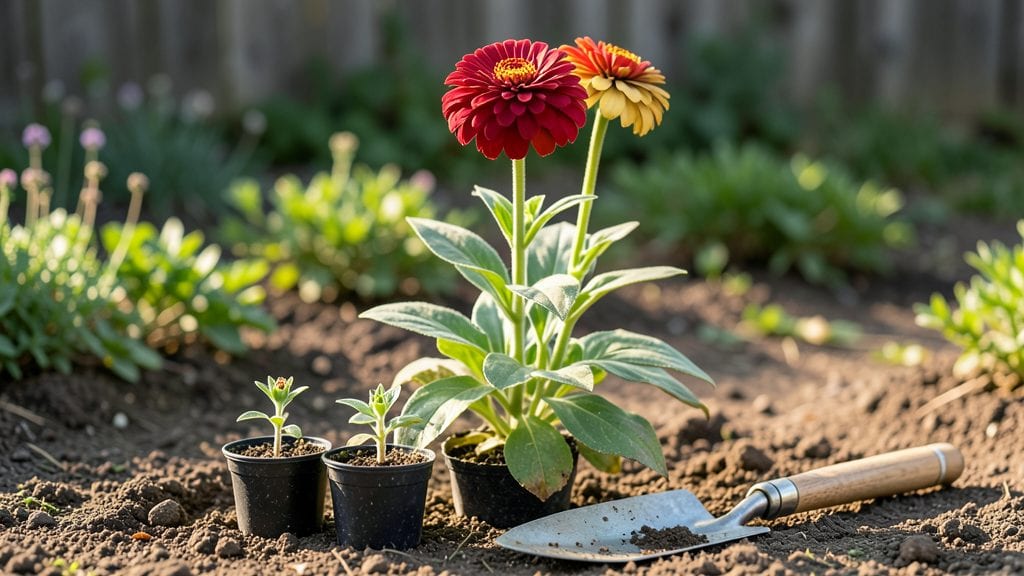
Here are the best zinnia planting tips to guarantee vibrant blooms all season—just follow these easy steps for sun-drenched, fuss-free flowers.
I’ve grown them for years, and the difference between a handful of flowers and a riot of color comes down to how you prep the soil, space the seeds, and keep them watered. The secret isn’t expensive soil or rare varieties—it’s matching their love of sun and well-drained earth.
Start with full sun (at least 6 hours daily) and loose, fertile soil mixed with compost. Plant seeds ¼-inch deep, 6–12 inches apart, and thin seedlings to 10–18 inches for bushier plants.
Water lightly at first—overwatering drowns tiny roots—and once they sprout, keep the soil evenly moist but not soggy. Within 2–3 weeks, you’ll see those first bright faces peeking through, and by midsummer, your garden will be a neon explosion of color.
📚 In This Guide
- What you need
- Instructions
- Tips and common mistakes
- Wrapping up and next steps
What you need
- ● Zinnia seeds: Choose from heirloom or hybrid varieties (e.g., 'Benary’s Giant', 'Profusion'). Start with 20–50 seeds for a small garden bed.
- ● Well-draining potting mix or garden soil: 1–2 cubic feet per plant (or use a 5–10 gallon container for pots). Mix in compost for nutrients.
- ● Fertilizer: A balanced 10-10-10 or low-nitrogen 5-10-10 granular fertilizer (follow package rates).
- ● Watering can or hose with a gentle spray nozzle.
- ● Plant markers or labels: Small stakes or popsicle sticks to track varieties.
- ● Seed-starting trays or biodegradable pots (if sowing indoors 6–8 weeks before last frost).
- ● Row covers or shade cloth (to protect seedlings from harsh sun or pests).
- ● Mulch (straw or shredded leaves) to retain moisture and suppress weeds.
- ● Pruning shears for deadheading spent blooms (encourages more flowers!).
- ● Gloves (if you prefer not to get hands dirty!).
Step-by-Step zinnia planting for nonstop color
Here's how to coax those bold, cheerful blooms from seed to full season glory.
Time Your Planting for Peak Performance
Zinnias thrive when planted after the last frost date in your zone, when soil temperatures consistently reach 60°F. I've found that starting seeds indoors 6-8 weeks before transplanting gives you a head start, but direct sowing after frost works just as well for many varieties. The key is patience—rushing seeds too early risks frost damage or stunted growth.
For direct sowing, wait until nighttime temperatures stay above 50°F. You'll see the difference immediately: seedlings planted too soon often develop weak stems and struggle to compete with weeds. I like to mark my calendar with the last frost date and count backward, adjusting for my local climate's quirks.
Prepare Soil for Optimal Growth
Zinnias love well-draining soil with a slightly acidic to neutral pH between 6.0 and 7.0. Before planting, loosen the top 6-8 inches of soil with a garden fork to improve aeration and root penetration. Amend heavy clay soil with 2-3 inches of compost, mixing it thoroughly to create a loose, crumbly texture that roots can easily navigate.
I always test my soil's drainage by digging a 6-inch deep hole, filling it with water, and timing how long it takes to drain. If water lingers more than 4-6 hours, I add additional organic matter. Proper drainage prevents root rot, which can silently kill zinnias by cutting off their nutrient supply before blooms even appear.
Plant Seeds at the Right Depth and Spacing
Sow seeds ¼ inch deep, pressing them gently into the soil rather than burying them deeply. Zinnia seeds are tiny but packed with energy—burying them too deep forces seedlings to work harder to reach light, resulting in leggy, weak plants. Space seeds 12-18 inches apart for single-stem varieties or 6-8 inches apart for bushier types like 'Profusion' or 'Benary's Giant'.
I use a small stick to create planting holes at precise intervals, then drop 2-3 seeds per hole and cover lightly with soil. This ensures you have backup seedlings if some fail to germinate. Water gently but thoroughly after planting, keeping the soil consistently moist until germination occurs in 7-14 days. The first true leaves will appear shortly after sprouts emerge.
Provide Consistent Water and Sunlight
Zinnias need full sun (6-8 hours daily) to produce their signature bold blooms. Once established, they're surprisingly drought-tolerant, but consistent moisture during the first 4-6 weeks encourages strong root development. I water deeply once a week, providing 1-1.5 inches of water at the base rather than frequent shallow waterings that promote weak roots.
Watch for signs of stress: wilting leaves in the afternoon indicate thirst, while yellowing foliage suggests overwatering. I always water in the morning so leaves have time to dry before evening, reducing the risk of fungal diseases like powdery mildew. Mulching with 2-3 inches of organic mulch helps retain moisture and keeps soil temperatures stable.
Deadhead Regularly for Continuous Blooms
To encourage nonstop flowering, remove spent blooms by pinching them off just above a set of leaves or side bud. This simple act redirects the plant's energy from seed production to creating new flowers. I make it a habit to check zinnias 2-3 times weekly during peak bloom season, as neglected plants quickly become seed heads rather than vibrant displays.
For a truly show-stopping garden, I also cut back leggy stems by one-third in early summer. This encourages bushier growth and prevents the plants from becoming top-heavy. You'll notice new growth appearing within 7-10 days, and the plants will reward you with an even more abundant display of color until frost.
Tips & tricks for perfect zinnia planting
These sun-loving secrets will transform your zinnias from modest seedlings into a vibrant, continuous display of color all season long.
Soil Temperature Secret: The 60°F soil temperature threshold mentioned in Step 1 is non-negotiable for germination. Use a soil thermometer to verify temperatures—especially in cooler climates where mornings can drop below this critical mark. I've found that planting in raised beds warms up faster than in-ground soil, giving you a 1-2 week head start in chilly zones. The difference between 58°F and 62°F soil can mean the difference between reliable germination and weeks of waiting.
Seedling Backup Strategy: Planting 2-3 seeds per hole as mentioned in Step 3 is one of my most reliable gardening habits. Zinnia seeds have surprisingly variable germination rates—some batches can be as low as 60%. Thin to the strongest seedling after true leaves appear, but having extras ensures you won't end up with gaps in your garden. I always keep a small notebook to track which seed packets perform best, as some brands consistently outperform others in my climate.
Watering Precision: The 1-1.5 inches of water per week guideline in Step 4 might seem generous, but zinnias actually need more moisture than most annuals during their first 4-6 weeks. I use a rain gauge to measure weekly rainfall and supplement only when we fall short. The key is consistency—zinnias hate wet feet but also can't tolerate drought stress. Mulching with 2-3 inches of straw helps maintain even moisture levels while suppressing weeds that compete with young plants.
Deadheading Discipline: The 2-3 times weekly deadheading routine in Step 5 pays dividends in both quantity and quality of blooms. I set a timer on my phone for Tuesday and Friday mornings as my deadheading reminders. This regular maintenance prevents the plant from diverting energy to seed production, which would otherwise cut your flowering season short. For especially prolific varieties like 'Benary's Giant', I also remove any side buds that form at the base of spent blooms to encourage larger, showier flowers.
Pro Tips for Zinnia Planting Tips
- These sun-loving secrets will transform your zinnias from modest seedlings into a vibrant, continuous display of color all season long.
- Soil Temperature Secret: The 60°F soil temperature threshold mentioned in Step 1 is non-negotiable for germination.
- Seedling Backup Strategy: Planting 2-3 seeds per hole as mentioned in Step 3 is one of my most reliable gardening habits.
Frequently asked questions
Got questions about growing zinnias?
You’re not alone! Whether you're a first-time gardener or a seasoned pro, these answers will help you cultivate stunning blooms with ease.
When is the best time to plant zinnias?
Zinnias thrive when planted after the last frost date in spring—typically after April or May, depending on your zone. For a longer bloom season, you can also sow seeds in late summer for fall flowers. Just ensure soil temps are at least 50°F (10°C) for germination!
How long does it take for zinnias to grow and flower?
From seed to bloom, zinnias are fast growers! Most varieties sprout in 5–10 days and produce flowers in 6–8 weeks. Dwarf types may bloom sooner, while tall varieties take slightly longer. Deadhead spent blooms to encourage continuous flowering all season.
What are the most common pests or diseases affecting zinnias?
Zinnias are generally low-maintenance, but watch for aphids, spider mites, and whiteflies—spray with water or neem oil if needed. Fungal issues like powdery mildew can occur in humid climates; improve airflow and avoid overhead watering. Resistant varieties like ‘Benary’s Giant’ or ‘Crystal’ are great choices!
Can zinnias grow in containers or do they need a garden bed?
Zinnias adapt well to containers—just use pots at least 6–12 inches deep with drainage holes. Dwarf varieties (like ‘Thumbelina’) are perfect for small spaces. Ensure they get 6+ hours of sun daily and water consistently. Containers dry out faster, so monitor soil moisture closely.
How do I keep zinnias blooming all season long?
Deadheading (removing spent blooms) is key! Snip flowers just above a set of leaves to encourage new buds. Fertilize lightly with a balanced 10-10-10 formula every 4–6 weeks, and mulch to retain moisture. Pinching back young plants can also promote bushier growth. With these tricks, your zinnias will keep flowering until frost!
Wrapping up and next steps
Planting zinnias is a rewarding journey—whether you’re a seasoned gardener or a beginner eager to bring bold colors to your space! 🌸 With the right sunlight, soil prep, and care, these cheerful blooms will thrive and keep your garden vibrant all season.
Start small, experiment with varieties, and don’t forget to deadhead for continuous flowers.
Now that you’re armed with these sun-loving secrets, it’s time to roll up your sleeves and get planting! Pro tip: Snap a photo of your progress or share your zinnia blooms with fellow gardeners for extra inspiration. Happy growing! 🌱