
Flowers
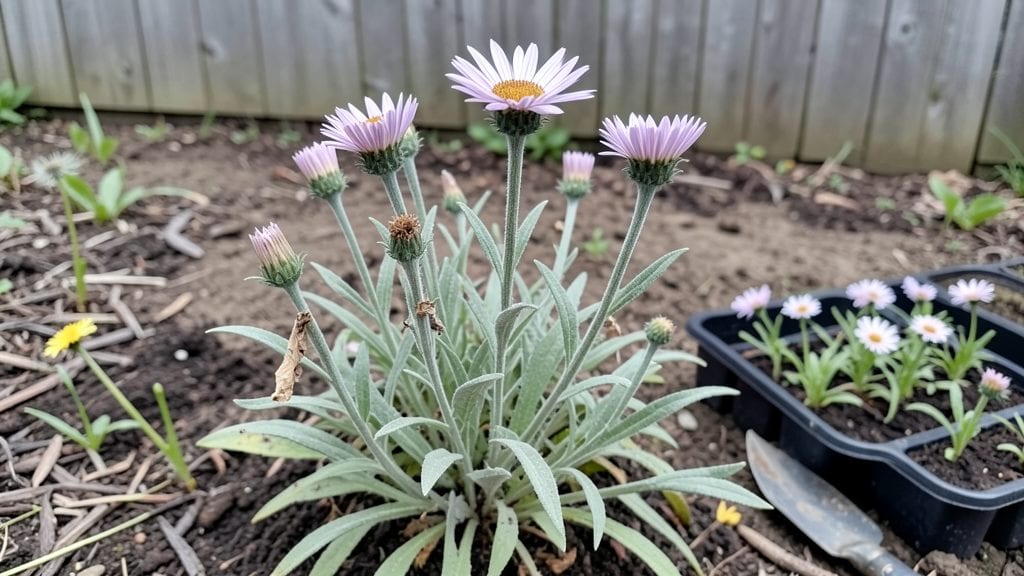
Planting African daisies transforms your sunny garden into a nonstop parade of cheerful yellow blooms. ✨ The secret to their effortless charm lies in matching their love of sun, well-draining soil, and minimal fuss—once they're in the ground, they practically plant themselves.
I've grown them for years, and the key is getting them started right in early spring or late summer when temperatures are mild.
You'll need a spot that gets at least 6 hours of direct sun daily, some crumbly potting mix mixed with sand or perlite, and young plants spaced 12-18 inches apart. The soil should be dry enough to crumble—African daisies hate soggy feet.
Dig holes just deep enough so the top of the root ball sits level with the ground, then water gently but thoroughly to settle the roots.
Within weeks, you'll see those signature daisy faces popping up, and by early summer, your garden will be a golden blur of blooms. The plants stay compact, spread slowly, and bounce back from drought like nothing happened. Just avoid overwatering—they're tough enough to handle dry spells better than most annuals.
Perfect for borders, containers, or mass plantings, these daisies thrive in zones 8-11 and even self-seed for next year's show. The only real mistake is planting them too deep or in shady spots—everything else is forgiving. Let's get those cheerful faces in the ground!
📚 In This Guide
- What you need
- Instructions
- Tips and common mistakes
- Wrapping up and next steps
What you need
- ● African Daisy Plants: 6–12 healthy nursery-grown plants (or seeds if starting from scratch)
- ● Pro tip: Choose varieties like 'Butterfly Blue' or 'Candy Stripe' for bold colors!
- ● Well-Draining Potting Mix: 5–10 gallons (depending on container size)
- ● Mix: 60% garden soil + 30% perlite/sand + 10% compost for aeration.
- ● Containers or Garden Bed: Containers: 12–18" diameter pots (1 plant per pot) with drainage holes.
- ● Garden Bed: Full sun (6+ hours/day) + loose, fertile soil.
- ● Fertilizer: Balanced 10-10-10 or slow-release granular fertilizer (2 tbsp per plant).
- ○ Optional: Liquid bloom booster (like fish emulsion) for extra vibrancy!
- ● Mulch (1–2 inches of straw or pine bark to retain moisture).
- ● Pruning shears (for deadheading spent blooms).
- ● Garden gloves (to protect hands from prickly stems).
- ● Stakes or cages (if your variety is top-heavy).
- ● pH test kit (ideal soil pH: 6.0–7.0).
Step-by-step instructions for planting African daisies
Here’s the straightforward method I use to get vibrant African daisies thriving in your garden.
🌱 Step 1: Choose the Right Location and Prepare the Soil
African daisies love full sun, so pick a spot that gets at least 6-8 hours of direct sunlight daily. If your garden gets afternoon shade, that’s fine too—just avoid deep shade. The soil should drain well, so if yours is heavy clay, mix in 2-3 inches of compost or sand to loosen it up.
Loosen the soil to a depth of 12 inches with a garden fork or trowel. This helps roots spread easily. If your soil is sandy, add a little organic matter like composted leaves or well-rotted manure to help retain moisture. African daisies prefer soil that’s slightly acidic to neutral, so if yours is alkaline, a sprinkle of sulfur can help adjust the pH.
🪴 Step 2: Plant the African Daisy Starts
Dig a hole that’s just slightly wider than the root ball of your African daisy plant. The hole should be the same depth as the container the plant came in—burying too deep can suffocate the roots, while planting too shallow leaves them exposed. Gently remove the plant from its container and place it in the hole.
Fill the hole with soil, pressing lightly around the base to remove air pockets. Water deeply right after planting to settle the soil and encourage roots to spread. Space your plants 12-18 inches apart to give them room to grow without competing for nutrients. If you’re planting in a row, stagger them slightly for a fuller look.
☀️ Step 3: Water and Maintain for Continuous Blooms
Water your African daisies 1-2 times per week, depending on your climate. They like to stay moist but not soggy—stick your finger 1 inch into the soil. If it feels dry, it’s time to water. Mulch around the base with 2-3 inches of organic mulch to keep moisture in and weeds out. This also protects roots from temperature swings.
Deadhead spent blooms regularly to encourage more flowers. Pinch off faded flowers at the base with your fingers or a clean pair of scissors. Fertilize lightly every 4-6 weeks with a balanced, water-soluble fertilizer to keep them blooming all season. African daisies are tough and drought-tolerant once established, but a little care goes a long way for those sun-kissed blooms.
Tips & tricks for perfect African daisy planting
Here's what I've learned after helping dozens of gardeners get their African daisies off to a flying start.
The Sunlight Secret: That 6-8 hours of sunlight is non-negotiable for vibrant blooms. I've seen daisies in partial shade survive, but they'll never reach their full potential. If your garden gets afternoon shade, position them where they catch morning sun. Trust me—your daisies will thank you with bigger, brighter flowers.
Soil Prep That Makes a Difference: When loosening that 12-inch depth of soil, don't just scratch the surface. Use your garden fork to break up compacted layers—roots need room to breathe. For heavy clay soil, I recommend mixing in 2-3 inches of compost and a handful of perlite for extra drainage. This creates the perfect balance of moisture retention and aeration.
Planting Depth Matters: The hole depth is crucial—match it exactly to the container depth. I've seen beginners bury plants too deep, which suffocates roots, or plant too shallow, leaving them vulnerable to drying out. Gently tap the soil around the base after planting to eliminate air pockets, then give it that deep watering to help roots establish quickly.
Watering Wisdom: The 1-2 times per week guideline works for most climates, but check that soil moisture by sticking your finger 1 inch deep. If it's dry at that depth, water thoroughly until moisture reaches 4-6 inches down. Mulching with 2-3 inches of organic mulch is a game-changer—it keeps soil consistently moist while preventing weeds from competing for nutrients.
Pro Tips for African Daisy Planting
- Here's what I've learned after helping dozens of gardeners get their African daisies off to a flying start.
- The Sunlight Secret: That 6-8 hours of sunlight is non-negotiable for vibrant blooms.
- Soil Prep That Makes a Difference: When loosening that 12-inch depth of soil, don't just scratch the surface.
Frequently asked questions
Got questions about growing your own African daisies? You’re not alone! Here are some of the most common queries—plus quick, easy answers to help you cultivate stunning blooms with confidence.
When is the best time to plant African daisies?
For most climates, plant African daisies in early spring (after the last frost) or late summer (6–8 weeks before the first frost). They thrive in warm soil (60–70°F) and need consistent sunlight. If you’re in a hotter zone, opt for fall planting to avoid summer heat stress.
How long does it take for African daisies to bloom?
With proper care, you’ll see vibrant blooms in 8–12 weeks after planting. For faster results, choose established plants from nurseries (they may flower within weeks!). Deadhead spent blooms to encourage continuous flowering throughout the season.
Why aren’t my African daisies blooming?
Lack of blooms often signals one of three issues: too much shade (they need 6+ hours of sun), over-fertilizing with nitrogen (use a balanced 10-10-10 fertilizer), or crowded roots. Thin plants if needed and ensure well-draining soil.
Can I grow African daisies in containers?
African daisies adapt well to containers as long as the pot has drainage holes and is at least 12 inches wide. Use a lightweight potting mix, and repot every 2–3 years to refresh the soil. Just keep them near a sunny window or balcony.
What pests should I watch for with African daisies?
Keep an eye out for aphids, spider mites, and slugs. Spray plants with water to deter aphids, use neem oil for mites, and set out beer traps for slugs. Healthy plants with good airflow resist pests best—so mulch and water consistently!
Wrapping up and next steps
Planting African daisies is a rewarding way to bring vibrant color and joy to your garden with minimal effort! 🌸 With the right soil, sunlight, and care, these cheerful blooms will thrive and spread effortlessly.
Whether you’re a beginner or a seasoned gardener, your sunny patch of African daisies is just a few steps away.
Ready to dive in? Start by gathering your supplies, choosing the perfect spot, and follow the simple steps above. Before you know it, your garden will be bursting with those iconic, sun-loving flowers—happy planting! 🌞