
Companion Plants
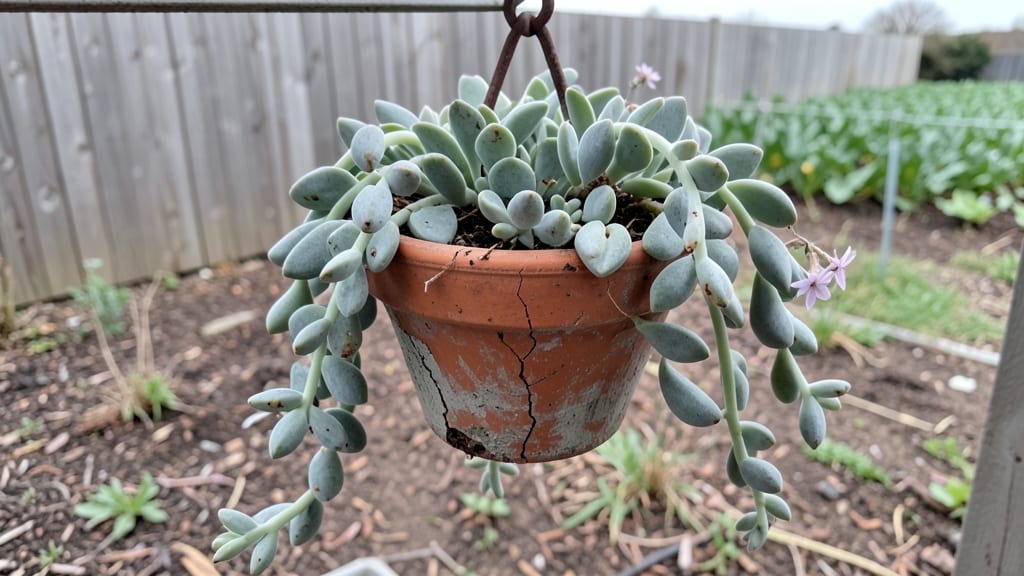
Apartment balcony plants don’t need a green thumb—just the right choices for your space. I’ve transformed narrow ledges into lush mini-gardens by picking plants that thrive in tight quarters, like trailing sweet potatoes and compact herbs.
The key is matching plant habits to your balcony’s light and layout, whether it’s a sunny south-facing spot or a shady corner.
Start with containers that maximize vertical space—hanging baskets for cascading plants, wall-mounted planters for herbs, and tiered shelves for compact veggies. Most urban balconies can support a mix of edibles (basil, cherry tomatoes) and ornamentals (petunias, ferns) without overcrowding.
Drainage is non-negotiable, so skip cheap pots with drainage holes that clog after a few months.
By summer, you’ll have a balcony that feels like a tiny oasis—fragrant herbs within arm’s reach, vibrant blooms that attract pollinators, and even homegrown veggies if you choose.
The best part? These plants keep growing with minimal fuss, so you’re not trading space for maintenance. Let’s pick the perfect lineup for your setup.
Seasonal swaps make it easy to adapt—cool-weather kale replaces heat-loving peppers in fall, and winter pansies brighten gray days. Even a 4-foot-wide balcony can become a productive, stylish retreat with the right plant pairings and a little creative arrangement.
📚 In This Guide
- What you need
- Instructions
- Tips and common mistakes
- Wrapping up and next steps
What you need
- ● Containers: 2–5 space-saving pots (sizes: 6–12 inches in diameter, depending on plant type)
- ○ Self-watering planters (optional but great for busy schedules)
- ● Potting Mix: 3–5 gallons of well-draining potting soil (avoid garden soil—it compacts too easily!)
- ● Perlite or vermiculite (½ cup per pot, for aeration)
- ● Plants: 3–5 compact, balcony-friendly plants (e.g., herbs, succulents, trailing vines, or dwarf citrus)
- ● Seedlings or small starter plants (check hardiness zones for your climate!)
- ● Tools: 1 hand trowel (for planting)
- ● 1 spray bottle (for misting seedlings)
- ● 1 measuring cup (for soil additives)
- ○ Pruning shears (optional, for trimming)
- ● Sunlight Assessment: Know your balcony’s light conditions (full sun, partial shade, or full shade) to pick the right plants.
- ● Weight Limits: Check your balcony’s weight capacity—containers can get heavy when watered!
- ● Drainage: Ensure pots have drainage holes (or drill them yourself) to prevent root rot.
- ● Water Access: Have a watering can or hose nearby for easy hydration.
Instructions for choosing and caring for apartment balcony plants
Transform your balcony into a lush retreat with plants that thrive in tight spaces.
Select Compact, High-Tolerance Varieties
Start with plants known for their small stature and adaptability to containers. Herbs like basil, thyme, and parsley grow well in 6-inch pots and tolerate partial shade, making them perfect for balconies with limited sun. Succulents such as sedum or echeveria require minimal care and thrive in 4-inch pots with bright light.
For a pop of color, opt for trailing plants like petunias or nasturtiums, which cascade beautifully over railings or in hanging baskets. These varieties stay compact while adding visual interest. Avoid large shrubs or trees—they’ll outgrow the space quickly and require frequent pruning.
Choose the Right Containers for Space Efficiency
Use hanging baskets for trailing plants to maximize vertical space without taking up floor area. For upright varieties, select shallow but wide pots (at least 8 inches in diameter) to accommodate root growth without overwhelming the balcony. Terra cotta pots work well for herbs, as they allow moisture to evaporate quickly, preventing root rot.
If your balcony has limited weight capacity, opt for lightweight materials like plastic or fabric grow bags. Ensure each container has drainage holes—water pooling at the bottom can suffocate roots. Group pots together to create a cohesive look while making watering and maintenance easier.
Optimize Light Exposure Based on Your Balcony’s Orientation
South-facing balconies receive the most sunlight, ideal for herbs, tomatoes, and flowering plants that need 6+ hours of direct light. Place these pots in the sunniest spots first. East or west-facing balconies get morning or afternoon sun, perfect for succulents and drought-tolerant plants that prefer 4-6 hours of light. North-facing spaces are best suited for shade-loving plants like ferns or impatiens.
Rotate pots weekly to ensure even growth—plants naturally lean toward the light. If you notice leaves turning pale or stems stretching, your plants need more brightness. Consider adding a small LED grow light for 12 hours daily if natural light is insufficient, especially in winter.
Water and Fertilize for Balcony-Specific Needs
Check soil moisture by sticking your finger 1 inch deep—if it feels dry, water thoroughly until it drains from the bottom. Balcony plants dry out faster due to wind exposure, so water every 2-3 days in hot weather, adjusting for rain. Avoid overhead watering to prevent fungal diseases; instead, water at the base of the plant.
Use a balanced liquid fertilizer (10-10-10) every 4-6 weeks during the growing season to replenish nutrients lost from frequent watering. Over-fertilizing can burn roots, so always follow package instructions. In fall and winter, reduce watering and fertilizing as growth slows.
Maintain and Prune for Long-Term Success
Regular pruning keeps plants compact and encourages bushier growth. Pinch back leggy stems on herbs and flowers to promote branching. For trailing plants, trim overgrown vines to maintain a tidy appearance and prevent them from blocking walkways. Use clean, sharp scissors to avoid damaging stems.
Inspect leaves weekly for pests like aphids or spider mites, common in crowded balcony spaces. Wipe leaves with a damp cloth or spray with neem oil for organic pest control. Remove yellow or damaged leaves promptly—they attract pests and drain energy from healthy growth. With consistent care, your balcony plants will stay vibrant and space-efficient all season long.
Tips & tricks for perfect apartment balcony plants
Creating a thriving balcony garden in a small space takes a few key strategies that make all the difference between struggling plants and lush, vibrant growth.
Container Size Matters: When selecting pots, remember that herbs like basil and thyme in 6-inch containers need at least 2-3 inches of soil depth to establish strong roots. For succulents in 4-inch pots, use a well-draining cactus/succulent mix to prevent root rot. I've found that adding a layer of small pebbles at the bottom of pots improves drainage significantly, especially for plants sensitive to moisture like petunias.
Light Rotation Strategy: The weekly pot rotation mentioned in Step 3 prevents plants from leaning toward the light source. I recommend setting a reminder on your phone for this task—consistent rotation ensures all sides of your plants receive equal sunlight exposure. For north-facing balconies, supplement with a small LED grow light for 2-3 hours daily during winter months when natural light is scarce.
Watering Wisdom: The 1-inch deep soil check is perfect for most balcony plants, but succulents in 4-inch pots actually need less frequent watering—wait until the soil feels completely dry before watering again. I've learned the hard way that overwatering is the #1 killer of balcony plants, especially in windy conditions where evaporation happens faster than you might expect.
Fertilizer Timing: When using a balanced 10-10-10 fertilizer every 4-6 weeks, I've found that applying it in the morning allows the nutrients to absorb more effectively before the heat of the day. For trailing plants in hanging baskets, dilute the fertilizer to half-strength to prevent salt buildup in the soil that can damage delicate roots.
Pro Tips for Apartment Balcony Plants
- Creating a thriving balcony garden in a small space takes a few key strategies that make all the difference between struggling plants and lush, vibrant growth.
- Container Size Matters: When selecting pots, remember that herbs like basil and thyme in 6-inch containers need at least 2-3 inches of soil depth to establish strong roots.
- Light Rotation Strategy: The weekly pot rotation mentioned in Step 3 prevents plants from leaning toward the light source.
Frequently asked questions
Got questions about turning your apartment balcony into a lush green haven? Here are some common ones—and their answers—to help you grow with confidence!
What are the best low-maintenance plants for small balconies?
Opt for hardy, drought-tolerant varieties like succulents (e.g., snake plants, sedum), herbs (basil, thyme, or mint), or compact shrubs (e.g., dwarf lavender or ferns). These thrive in limited space, need minimal watering, and often survive in partial sun. Pro tip: Choose plants that match your balcony’s sunlight exposure (e.g., herbs for full sun, ferns for shade).
How do I prevent balcony plants from dying in extreme heat or cold?
Use self-watering planters or moisture-retaining pots to combat heat, and move tender plants indoors during frost. For cold snaps, wrap pots in bubble wrap or use heat mats under containers. Troubleshooting: If leaves wilt, check soil moisture—overwatering is as harmful as drought!
Can I grow edible plants on a tiny balcony, and what’s easiest?
Start with cherry tomatoes, pepper plants, or microgreens—they’re compact and productive. Use vertical planters or hanging baskets to maximize space. Time-saver: Opt for fast-growing varieties (e.g., bush beans mature in 50 days!).
What’s the best way to arrange plants on a small balcony?
Prioritize vertical space with wall-mounted planters or trellises for vines (e.g., cucumbers or jasmine). Group plants by sunlight needs (e.g., sun-lovers on the south side, shade-tolerant ones on the north). Use lightweight, stackable pots to save floor space. Design hack: Mix heights and textures for a cohesive, Instagram-worthy look!
How do I keep pests away from my balcony garden?
Prevent pests with neem oil sprays, companion planting (e.g., marigolds repel aphids), and copper tape around pots to deter slugs. Avoid overwatering, which attracts fungus gnats. Quick fix: Spray plants with water early in the morning to deter crawling insects.
Are there affordable alternatives to expensive balcony planters?
Yes! Upcycle plastic containers (clean yogurt cups, buckets), pallets (paint and assemble into vertical gardens), or old boots/wellies for quirky planters. Check thrift stores for ceramic pots or DIY with coconut coir liners in fabric bags. Budget tip: Repurpose household items—get creative!
Wrapping up and next steps
Transforming your apartment balcony into a lush green oasis is easier—and more rewarding—than you think! 🌿 With the right space-saving plants, you can bring life, color, and freshness to even the tiniest nooks.
Whether you're drawn to herbs for cooking, flowers for beauty, or succulents for low-maintenance charm, every plant adds joy and a touch of nature to your urban retreat.
Ready to dive in? Start small—pick one or two plants that excite you—and let your balcony bloom! 🌱 Check out our planning guide for step-by-step tips to get growing today.