
Plants
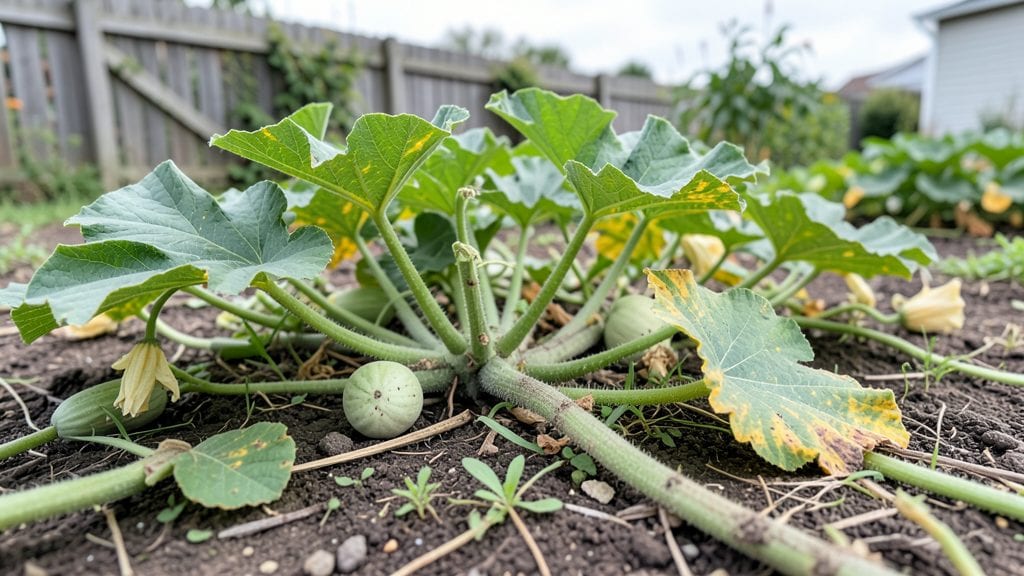
When pumpkin plant leaves turn yellow, it’s usually a cry for help—not from pests, but from hidden nutrient starvation or overzealous watering. 🌱 I’ve seen this happen after heavy rains or when gardeners panic and drown the roots trying to "save" the plant.
The good news? Most cases fix easily with a soil check and simple adjustments.
First, check the soil moisture—yellowing often starts when roots suffocate from too much water or struggle to access nutrients in compacted soil. Then inspect the undersides of leaves for powdery white spots (mildew) or tiny bugs (aphids).
My biggest breakthrough came when I switched to compost tea and spaced waterings—suddenly, those sad yellow patches turned vibrant green again.
You’ll restore that deep, healthy green in just a few weeks with the right mix of balanced fertilizer and proper drainage. The key is consistency: feed lightly every two weeks during growth, and always water at the base, not the leaves.
Your pumpkins will thank you with stronger vines and bigger fruits by harvest time.
This works for both backyard patches and container-grown pumpkins, though larger plants may need extra nitrogen early on. Once you spot the pattern, you’ll catch it before it spreads—and keep your patch thriving year after year.
Root causes behind yellowing leaves
Yellowing leaves on your pumpkin plant can feel like a mystery, but the truth is often rooted in simple (or not-so-simple) environmental or biological factors. Understanding these causes is the first step to restoring your plant’s vibrant green health.
Let’s break down the science behind the discoloration and what’s really going on beneath the soil.
💧 The silent killer of pumpkin plants Pumpkin plants thrive in well-draining soil, and when they’re overwatered—or worse, left sitting in soggy conditions—they struggle to absorb oxygen through their roots. This leads to anaerobic conditions, where beneficial microbes and root cells suffocate.
Without oxygen, roots can’t efficiently transport water and nutrients to the leaves, causing them to yellow, especially along the edges or between veins (a classic sign of iron deficiency or root rot).
- Why it happens: Excess water displaces air pockets in the soil, triggering fermentation in roots. Over time, this creates toxic byproducts like ethanol and acetic acid, which damage cell membranes. - Actionable clue: Check the soil 2–3 inches deep—if it’s damp, hold off on watering.
Yellowing paired with mushy stems or a foul smell? You’ve got root rot brewing.
🌱 When the soil isn’t feeding your plant right Pumpkin plants are heavy feeders, and yellowing leaves often signal a nutrient gap. The most common culprits are: - Nitrogen (N): Leads to yellowing between veins (chlorosis) and stunted growth.
Nitrogen is crucial for chlorophyll production—the pigment that gives leaves their green hue. - Magnesium (Mg): Causes yellowing between veins (especially older leaves) because magnesium is central to chlorophyll’s structure.
Without it, leaves can’t photosynthesize efficiently. - Iron (Fe): Results in yellowing between veins (even in acidic soils) because iron is tied up and unavailable.
This is common in alkaline soils (pH > 7.0). - Potassium (K): Weakens cell structure, leading to yellowing at leaf edges (often paired with browning or curling).
Pro Tip: 🔍 Conduct a soil test to identify deficiencies. If DIY isn’t an option, use a chelated iron supplement for quick fixes or Epsom salt (magnesium sulfate) for magnesium shortages.
🐛 Unseen invaders stealing your plant’s vitality Pests like aphids, spider mites, or squash vine borers drain sap and inject toxins, causing leaves to yellow prematurely. Diseases such as powdery mildew or downy mildew also block sunlight and clog stomata (leaf pores), disrupting nutrient flow.
- Aphids/Spider Mites: Cluster on undersides of leaves, sucking sap and leaving sticky residue (honeydew). Leaves may yellow and curl upward. - Squash Vine Borers: Larvae burrow into stems, cutting off water and nutrient transport.
Look for wilting, yellowing vines or sawdust-like frass near the base. - Fungal Diseases: Powdery mildew creates a white, powdery coating on leaves, while downy mildew causes yellow, greasy spots on the upper surface.
Quick Fix: 💡 Spray leaves with neem oil (for pests) or copper fungicide (for mildew). Prune infected leaves immediately to prevent spread.
🌡️ Too much or too little of the wrong things Pumpkin plants are sensitive to extreme conditions, and sudden changes can trigger yellowing: - Temperature Fluctuations: Cold snaps (<50°F) or heatwaves (>90°F) disrupt enzyme activity in leaves, halting chlorophyll production.
Leaves may yellow uniformly or develop brown patches. - Sunburn: Young or newly transplanted pumpkins exposed to direct afternoon sun can develop bleached or yellowed patches (similar to sunburn on skin). - Wind Damage: Strong winds desiccate leaves, causing edges to yellow and crisp.
Solution: 🌿 Provide shade cloth during heatwaves or row covers for young plants. Mulch heavily to stabilize soil temperature.
🌱 When roots take a beating Disturbing roots during transplanting—even if done carefully—can sever root hairs and disrupt nutrient uptake. Yellowing may appear 1–2 weeks post-transplant as the plant struggles to re-establish its root system.
- Signs: Leaves yellow evenly (not just edges) and may wilt slightly before recovery.
- Fix: Water deeply after transplanting and avoid fertilizing for 7–10 days to reduce stress. Use mycorrhizal fungi (available as powders) to help roots regenerate faster.
Key Takeaway: Yellowing leaves are your pumpkin plant’s way of screaming for help—whether it’s thirst, hunger, or an unseen attacker. The first step? Observe the pattern (edges vs. between veins, new vs. old leaves) and match it to the clues above.
Once you identify the root cause, you’re halfway to a lush, green recovery!
Quick Fixes for Yellowing Pumpkin Leaves
When your pumpkin plant’s leaves start turning yellow, it’s a clear signal that something needs attention—whether it’s a nutrient imbalance, pest invasion, or environmental stress. The good news? Most issues are fixable with simple, targeted actions.
Below, we’ll map the most common causes to practical solutions, including prevention tips to keep your pumpkin plant thriving. Let’s turn those sad yellow leaves back into vibrant green!
Signs: Yellowing leaves with a mushy texture, wilting, or roots that smell rotten when checked.
How to Fix It: 🔥 Adjust Your Watering Routine
- Pumpkin plants love water but hate soggy soil. Water deeply only when the top 1–2 inches of soil are dry (stick your finger in to test!).
- Pro Tip: 💡 Use a moisture meter or the "squeeze test"—grab a handful of soil; if it crumbles easily, it’s dry enough.
🍳 Improve Drainage
- If your container lacks drainage holes, add a 1–2 inch layer of gravel or perlite at the bottom before repotting.
- For in-ground plants, amend the soil with compost or coconut coir to boost aeration.
👨🍳 Repot if Necessary
- If roots are circling or rotting, transfer the plant to a larger pot with fresh, well-draining potting mix.
Prevent It: ✨ Water in the morning to allow excess moisture to evaporate. ✨ Mulch around the base with straw or shredded leaves to regulate soil temperature and moisture.
Signs: Yellowing between leaf veins (magnesium), pale yellow leaves (nitrogen), or yellowing new growth (iron).
How to Fix It: 🔥 Test Your Soil
- Grab a DIY soil test kit (or send a sample to a local extension office) to confirm deficiencies before guessing.
🍳 Fertilize Smartly - For nitrogen: Use a balanced fertilizer (10-10-10) or compost tea.
Apply every 2–3 weeks during the growing season. - For magnesium: Sprinkle Epsom salt (1 tbsp per gallon of water) every 4–6 weeks. ⚠️ Avoid overdoing it—too much can burn roots! - For iron: Use a chelated iron supplement (like iron sulfate) or apply liquid fish emulsion for a slow-release boost.
👨🍳 Boost Organic Matter
- Mix well-rotted compost or worm castings into the top 6 inches of soil. This replenishes nutrients naturally.
Prevent It: 🌡️ Side-dress with compost mid-season to prevent deficiencies. 🎯 Rotate crops next year—pumpkins are heavy feeders, so give them a nutrient break.
Signs: Yellowing with crispy edges or bleached patches, often on leaves facing direct sun.
How to Fix It: 🔥 Provide Shade (Temporarily)
- If a heatwave hits, use shade cloth (30–50%) for a few hours daily to protect young leaves.
- Morning sun is best—pumpkins thrive in 6–8 hours of sunlight, but afternoon heat can scorch them.
🍳 Adjust Watering in Heat
- Water deeply in the early morning to help leaves retain moisture and reflect sunlight.
- Mist leaves lightly on extremely hot days (but avoid soggy soil).
👨🍳 Hardening Off Young Plants
- If transplanting seedlings, acclimate them gradually to full sun over 7–10 days to avoid shock.
Prevent It: ✨ Choose heat-tolerant varieties like ‘Howden’ or ‘Jack Be Little’ if you live in a hot climate. ✨ Use reflective mulch (like white plastic) to bounce sunlight away from leaves.
Signs: Yellowing paired with holes, chewed edges, or sticky residue (aphids), or spots/mold (fungus).
How to Fix It: 🔥 Identify the Culprit
- Aphids/spider mites: Tiny webs or clusters on undersides of leaves.
- Fungal issues (powdery mildew): White powdery coating on leaves.
- Root rot: Yellowing + wilting despite dry soil.
🍳 Treat Pests Naturally
- Spray with neem oil (1 tsp per quart of water) or insecticidal soap every 5–7 days until pests vanish.
- Introduce beneficial insects like ladybugs or lacewings to eat aphids.
👨🍳 Fight Fungal Infections
- Remove infected leaves and destroy them (don’t compost!).
- Apply copper fungicide or a baking soda spray (1 tbsp baking soda + 1 quart water + drop of dish soap).
🔪 Prune for Airflow
- Thin out crowded vines to improve air circulation and reduce humidity (which fuels fungus).
Prevent It: 💡 Rotate crops to break pest/disease cycles. 🌡️ Water at the base (not overhead) to keep leaves dry.
If your pumpkin plant is severely stressed, try these emergency measures:
- Trim damaged leaves to redirect energy to healthy growth.
- Fertilize lightly with a seaweed extract (like Maxicrop) to boost recovery.
- Move to a cooler, shadier spot for 1–2 weeks if heat-stressed.
Remember: Pumpkin plants are resilient! Act quickly at the first sign of yellowing, and your vines will bounce back with lush, green foliage in no time. 🚀🍉
Frequently asked questions about pumpkin plant leaf discoloration
Why do my pumpkin plant's older leaves turn yellow first?
Older leaves yellow first because they're the plant's nutrient "storage units." When magnesium or nitrogen runs low, the plant sacrifices these leaves to protect new growth. Check for yellowing between veins—this often signals magnesium deficiency. Try a foliar spray of Epsom salt (1 tbsp/gallon) every 2 weeks for a quick fix.
Can I still harvest pumpkins if the leaves are yellow?
Yes, but focus on fruits already set. Yellowing leaves mean the plant is stressed, so new growth may be weak. Harvest mature pumpkins (hard rind, dull stem) first, then address the leaves. If only a few leaves yellow, the plant can still produce—just monitor for pests or disease that might spread.
What's the fastest way to fix yellowing from overwatering?
Stop watering immediately and improve drainage. For containers, add perlite or vermiculite to the top 2 inches of soil. In-ground plants need compost mixed into the top 6 inches to aerate roots. Water only when the top 1-2 inches feel dry—overwatering is the #1 cause of yellow leaves in pumpkins.
Is yellowing from pests different than nutrient issues?
Yes! Pest damage often shows as uneven yellowing with holes or sticky residue, while nutrient issues cause uniform yellowing between veins. Check leaf undersides for aphids or spider mites. If you see tiny webs or honeydew, spray with neem oil (1 tsp/quart water) immediately—pests spread faster than nutrient deficiencies.
Will my pumpkin plant recover if I fix the yellowing now?
Pumpkins are resilient. Once you address the root cause (water, nutrients, pests), new leaves should emerge green in 7-14 days. The key is acting early—if >50% of leaves are yellow, recovery takes longer. Prune severely damaged leaves to help the plant redirect energy to healthy growth.