
Aphids
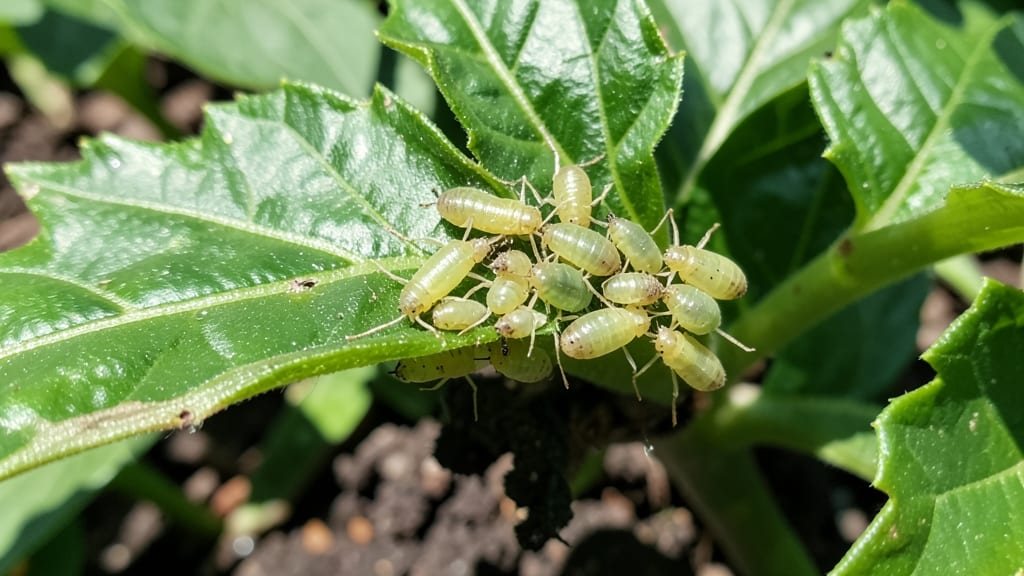
When aphids attack your jalapeño plants, you need a fast, organic fix to save your harvest before they suck the life out of your peppers. I’ve battled these tiny green monsters in my garden, and the right spray can clear them in under 48 hours—no harsh chemicals required.
The key is acting quickly with targeted solutions that aphids can’t build resistance to.
Most gardeners grab the wrong spray first—like neem oil alone—which can take days to work if not applied correctly. I learned the hard way that mixing insecticidal soap with water and a drop of dish soap creates a sticky trap aphids can’t escape.
Plus, it’s safer for bees and won’t harm your plants if used right. You’ll see them dropping off within hours, and new growth will stay aphid-free.
By the time your jalapeños are ready to pick, you’ll have a clean, thriving plant with no sticky residue or chemical taste. The secret? Reapply every 3-5 days until the infestation is gone, and pair it with companion planting—like marigolds—to keep aphids from coming back.
Your peppers will reward you with bold, heat-packed flavor instead of wilted, sap-covered leaves.
This works for all pepper varieties, whether you’re growing in pots or garden beds. No more losing your harvest to these pests—just a quick spray and peace of mind. Let’s get those jalapeños back to their fiery best.
Root Causes Of Jalapeno Aphid Infestations
Aphids may seem like a minor nuisance, but when they swarm your jalapeno plants, they can stunt growth, transmit viruses, and leave behind sticky honeydew that fosters sooty mold.
Understanding why these tiny pests target your peppers is the first step to stopping them. Let’s break down the key factors that turn your garden into an aphid buffet.
Aphids are drawn to plants that are already struggling—think of them as opportunistic pests with a nose for trouble. When your jalapeno plants are stressed, they release volatile organic compounds (VOCs) that act like a dinner bell for aphids. Common stressors include:
- Nutrient deficiencies: Low nitrogen or phosphorus levels weaken plants, making them easier prey. Aphids detect these imbalances through chemical cues.
- Overwatering or drought: Both extremes disrupt root health, signaling distress. Aphids thrive in plants with compromised vascular systems, as they can more easily tap into sap.
- Poor soil health: Compacted or nutrient-poor soil limits root growth, reducing the plant’s ability to fend off pests. Healthy roots = stronger defenses.
- Physical damage: Pruning, hail, or insect bites create entry points for aphids. They exploit wounds to colonize quickly.
💡 Pro Tip: Conduct a simple soil test to check pH and nutrient levels. Jalapenos prefer slightly acidic soil (pH 6.0–6.8) and balanced NPK (nitrogen, phosphorus, potassium). Amend soil with compost or organic fertilizer to reduce stress signals.
Aphids love concealment, and dense foliage provides the perfect cover. When jalapeno plants are overcrowded:
- Light and air circulation suffer: Shady, humid microclimates under thick canopies are aphid paradises. Poor airflow also slows down natural predators like ladybugs and lacewings.
- New growth becomes a target: Aphids prefer tender, young leaves and stems, which are abundant in crowded plants. This rapid colonization can lead to exponential infestations.
- Honeydew buildup goes unnoticed: Sticky residue accumulates faster in tight spaces, attracting ants (which "farm" aphids for their honeydew) and promoting sooty mold.
🌡️ Actionable Fix: Prune jalapeno plants to improve spacing—aim for 18–24 inches between plants and 3–4 feet between rows. Thin seedlings early to avoid competition for resources.
Here’s a shocking truth: ants and aphids have a symbiotic relationship. Ants "herd" aphids like cattle, protecting them from predators and even milking them for honeydew. If you spot ants crawling on your jalapeno plants, aphids are likely nearby. Why does this happen?
- Ants farm aphids: They stroke aphids to induce honeydew production, then carry the sugary substance back to their colonies. In return, aphids get a protected environment.
- Ant trails block predators: Worker ants aggressively defend aphid colonies, preventing ladybugs, lacewings, and parasitic wasps from attacking.
- Ants disrupt natural balance: Without intervention, aphid populations can explode unchecked, as their main enemies are kept at bay.
✨ Organic Solution: Use diatomaceous earth (DE) or sticky barriers (like petroleum jelly on stakes) to block ant trails. Alternatively, introduce aphid-eating ants (e.g., Lasius niger) that don’t farm aphids—these species will prey on the pests instead.
Aphids reproduce asexually in warm conditions, meaning a single female can give birth to clones without mating. When temperatures rise and humidity drops:
- Reproduction accelerates: Aphids can multiply 10–20 times faster in ideal conditions (60–80°F). A single infestation can become a full-blown crisis in weeks.
- Natural predators slow down: Ladybugs and lacewings are less active in dry heat, giving aphids an advantage.
- Plants become more vulnerable: Heat stress weakens jalapenos, making them easier targets for aphid colonization.
🎯 Prevention Tip: Monitor weather patterns and water deeply but infrequently to maintain soil moisture without creating aphid-friendly humidity. Use shade cloth in peak summer to reduce stress on plants.
By addressing these root causes—stress, crowding, ant protection, and weather—you’ll disrupt the conditions that make your jalapeno plants aphid magnets. The next step? Organic sprays and traps to kick them out for good.
How to Treat & Prevent Jalapeno Pests
Now that you know why those pesky aphids are invading your jalapeno plants, let’s tackle the problem head-on with effective, organic solutions—plus tips to keep your peppers thriving and aphid-free.
Whether you’re dealing with a minor infestation or a full-blown attack, these methods are easy to implement, budget-friendly, and chemical-free. Let’s get your jalapenos back to their healthy, productive selves!
💦 Spray with Soapy Water (Best for Small Infestations)
Aphids hate soap—it disrupts their waxy coating and dries them out.
Mix 1 tablespoon of mild liquid soap (like Castile or dish soap) with 1 quart of water in a spray bottle. Spray directly on aphids (especially undersides of leaves) until leaves are wet. Reapply every 2–3 days until they’re gone.
> 💡 Pro Tip: Use neem oil soap (1 tsp neem oil + 1 tbsp soap per quart of water) for extra potency. Neem oil also prevents future eggs from hatching!
🐞 Introduce Beneficial Insects (Nature’s Pest Control)
Ladybugs, lacewings, and parasitic wasps love eating aphids. Purchase these from garden centers or attract them by:
- Planting dill, fennel, or marigolds nearby (they lure beneficial bugs).
- Avoiding pesticides that harm these helpers.
🍎 Blast Them Off with Water (Quick Fix)
A strong stream of water from a hose can knock aphids off leaves. Do this early in the morning so plants dry quickly (prevents fungal issues).
🌿 Strengthen Plant Health (Aphids Target Weak Plants)
Aphids love stressed plants. Boost your jalapenos’ resilience with:
- Balanced fertilization (too much nitrogen = softer leaves = aphid buffet).
- Regular pruning to improve airflow (aphids thrive in crowded, humid spots).
- Companion planting with basil, mint, or garlic (their scents repel aphids).
🛡️ Use Natural Barriers
- Sticky traps (yellow or blue) placed near plants catch aphids mid-flight.
- Kaolin clay (a non-toxic mineral spray) creates a protective film that aphids avoid.
🌡️ Monitor & Act Early
Check your plants weekly, especially under leaves and new growth. Catch aphids before they multiply—a few days of spraying is easier than weeks of cleanup!
- Avoid chemical pesticides—they kill beneficial insects and can harm your jalapenos.
- Don’t ignore honeydew (aphid waste). Wipe leaves with a damp cloth to prevent sooty mold.
- Skip the late-season spraying—aphids are less active in cooler weather.
With these fast fixes and preventive steps, your jalapeno plants will stay strong, aphid-free, and ready for harvest! 🌶️💪 Need more tips? Try homemade garlic or chili pepper sprays for an extra aphid-deterring kick.
Frequently asked questions
Why do aphids specifically target my jalapeno plants?
Aphids love tender, fast-growing plants like jalapenos because they're packed with sweet sap. Your peppers also release stress signals (like volatile compounds) when crowded or nutrient-deficient, acting like an aphid dinner bell. They especially target new growth and undersides of leaves where they hide from predators.
How quickly will my homemade aphid spray work?
Most organic sprays (like soapy water or neem oil) show results within 24-48 hours if applied correctly. You'll see aphids dropping off leaves immediately, but reapplication every 3-5 days is key to prevent reinfestation. The faster you act, the better your chances of saving young peppers.
Can I still harvest jalapenos if aphids are present?
Yes, but treat the plants first! Aphids don't directly harm fruit, but their honeydew can attract sooty mold. Harvest peppers as usual while you work on eliminating the infestation. Just wash peppers thoroughly before eating. Focus on treating leaves and stems to protect future growth.
What's the best time of day to spray for aphids?
Early morning is ideal—before 9 AM when temperatures are cooler and aphids are most active. This gives the spray time to work before the sun evaporates it. Avoid spraying in direct sunlight (can burn leaves) or late afternoon (may stress plants).
Will aphids come back after I treat them?
Possibly, but you can prevent recurrence by combining treatments with prevention. After eliminating existing aphids, introduce beneficial insects (like ladybugs), prune for better airflow, and plant companion herbs (basil/mint). Check plants weekly during growing season—early detection is your best defense.