
Companion Plants
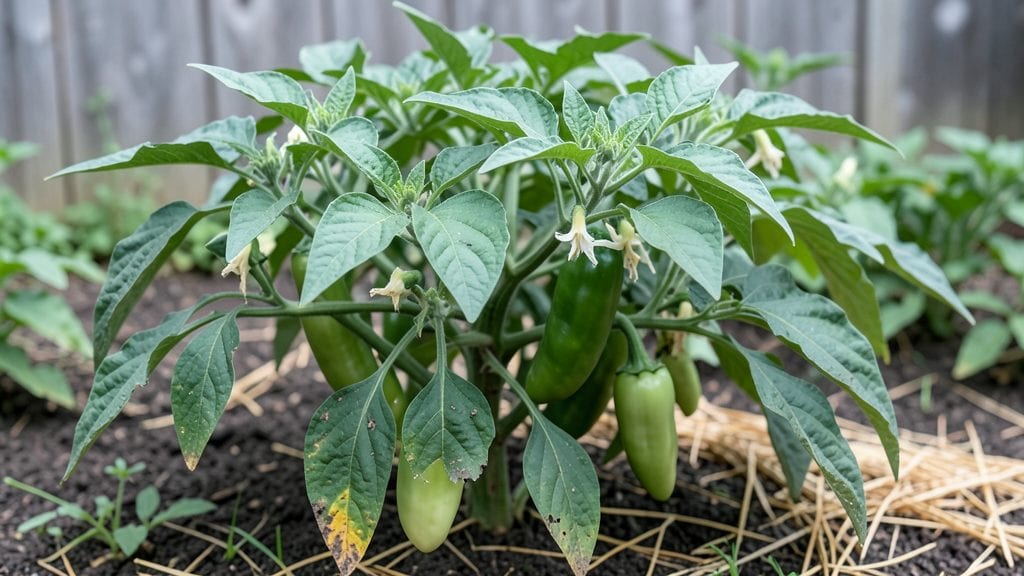
Caring for jalapeño plants transforms your garden into a spice factory, but only if you nail the basics—sunlight, soil, and water all play critical roles. 🌱 I’ve grown hundreds of peppers, and the difference between a puny plant and a thriving bush comes down to these three factors.
Skip one, and you’ll end up with bitter, stunted pods instead of the bold heat you crave.
The right setup starts with 6+ hours of direct sun daily and well-draining soil rich in compost. Too much water? Roots rot. Too little? Peppers shrivel. I use a 5-gallon container for mine, filled with a mix of potting soil and perlite to keep moisture balanced—no soggy roots here.
Fertilize every 2-3 weeks with a balanced organic feed once flowers appear, and watch those peppers swell with flavor.
Pruning isn’t just about shape—it’s about productivity. Pinch off early flowers to boost root growth, then let the plant focus on sturdy stems. By midsummer, you’ll harvest dozens of peppers, their glossy skins packed with heat.
The key? Consistency. A little attention now means a bountiful harvest later, with peppers that taste fresh off the vine.
Troubleshooting is half the fun—aphids? Spray with soapy water. Yellow leaves? Check your watering. And if your peppers turn bitter? Too much sun or stress. I’ve learned all these tricks the hard way, and now I’m sharing them so your jalapeños grow bold, spicy, and abundant—no guesswork required.
📚 In This Guide
- What you need
- Instructions
- Tips and common mistakes
- Wrapping up and next steps
What you need
- ● Jalapeño Seeds or Seedlings: Start with high-quality, disease-resistant seeds (e.g., 'Early Jalapeño' or 'Red Jalapeño') or healthy seedlings from a nursery. Quantity: 3–5 plants (for a small garden) or 10+ (for larger harvests).
- ● Containers or Garden Bed: Containers: 5–10 gallon pots with drainage holes (1 per plant). Material: Fabric grow bags, ceramic, or plastic.
- ● Garden Bed: Well-draining soil in a sunny spot (6+ hours of sunlight daily). Size: 18"–24" spacing between plants.
- ● Potting Mix: Lightweight, fertile mix (e.g., 60% peat/coir + 30% compost + 10% perlite). Avoid: Garden soil (too dense).
- ● Fertilizer: Balanced Fertilizer (10-10-10): For seedlings (start with 1 tbsp per pot).
- ● High-Potassium Fertilizer (5-10-10): For flowering/fruiting (switch after 6 weeks).
- ● Watering Can or Hose: With a gentle spray nozzle to avoid damaging delicate seedlings.
- ● Mulch: Straw or shredded leaves (2–3 inches thick) to retain moisture and deter weeds.
- ● Pruning Shears: For trimming leggy stems or removing damaged leaves.
- ● pH Test Kit: Ideal soil pH for jalapeños: 6.0–7.0.
- ○ Trellis or Cage: Optional for indeterminate varieties (supports vining growth).
- ● Grow Lights: If starting indoors (12–16 hours of light/day).
- ● Glove: Protects hands from thorns (especially when harvesting!).
- ● Last Frost Date: Wait until after the last frost (jalapeños are frost-sensitive!).
- ● Warm Soil: Ideal planting temp: 70°F+ (use a soil thermometer if needed).
- ● Patience: Jalapeños take 70–90 days to mature—plan ahead!
Step-by-Step care guide for thriving jalapeño plants
Here’s how to coax bold, productive jalapeños from seedling to harvest—no green thumb required.
🌱 Step 1: Plant in Warm, Well-Draining Soil
Jalapeños demand warm soil—wait until nighttime temperatures stay above 55°F before transplanting. Use the 3 gallons of potting mix or garden soil amended with 1 cup compost to ensure nutrients and drainage. Dig holes twice as wide as the root ball but no deeper—peppers hate sitting too low.
Space plants 18 inches apart in rows 24 inches apart to allow airflow and prevent disease. Press soil gently around the roots to eliminate air pockets, then water deeply until moisture reaches 6 inches down. You’ll know it’s right when water pools on the surface before draining away.
☀️ Step 2: Provide Full Sun and Consistent Heat
Jalapeños thrive in full sun (6+ hours daily)—place them where they’ll get morning light and afternoon warmth. If your climate runs cooler, extend sunlight with a grow light positioned 12 inches above the plants for 14 hours/day. You’ll see leggy stems if they’re stretching toward light—this means they’re desperate for more.
Keep soil temperatures above 65°F—use black plastic mulch if needed. Water at the base once a week (more in extreme heat), letting 1 inch of water soak in. Avoid wetting leaves to prevent fungal diseases like pepper blight. Check soil moisture by sticking your finger 1 inch down—if it’s dry, water again.
💧 Step 3: Fertilize and Prune for Bushier Growth
After 4 weeks, feed plants with ½ cup of 10-10-10 fertilizer mixed into the soil. Repeat every 4-6 weeks through summer. Prune suckers (the shoots growing between the stem and branches) to direct energy to fruit production. Use clean, sharp pruning shears to avoid tearing stems.
Remove yellow or diseased leaves immediately—they spread problems fast. If flowers appear but no peppers form, your plants may need more phosphorus (the middle number in fertilizer ratios). You’ll know it’s working when new leaves stay dark green and glossy instead of pale or yellowing.
✂️ Step 4: Harvest and Encourage More Peppers
Pick jalapeños when they’re 3-5 inches long and firm to the touch. Use pruning shears to cut stems cleanly—this prevents damage and encourages more flowers. Wear gloves if you’re sensitive to capsaicin (the compound that makes them spicy).
After harvest, feed plants with ½ cup of compost to replenish nutrients. If peppers slow down in late summer, give them a final fertilizer boost and protect from frost by covering with row fabric or moving pots indoors. You’ll see new flowers and peppers forming within 2 weeks of proper care.
⏰ Step 5: Overwinter (If Growing Perennially)
In cold climates, dig up plants before first frost and pot them in 5-gallon containers. Store in a cool (50-60°F), dark place like a garage. Water monthly to keep soil lightly moist. In spring, transplant back outside after last frost date—they’ll bounce back stronger than ever.
If you’re growing in pots year-round, reduce watering in winter and move containers to a sunny windowsill. You’ll notice new growth starting in early spring, signaling it’s time to resume full care.
Tips & tricks for thriving jalapeño plants
Here's what I've learned after growing jalapeños for years—these tricks will help you avoid common pitfalls and maximize your harvest.
Soil Temperature Secret: The 55°F nighttime soil temperature threshold in Step 1 is critical—colder soil shocks roots and stunts growth. I always check soil temps with a thermometer at dusk. If you're in doubt, wait until daytime temps hit 70°F before planting, as soil warms up more slowly than air. For container growers, black pots absorb heat better than white ones, helping maintain that 65°F soil temperature we want.
Lighting Hack: That 14-hour grow light requirement in Step 2 can feel overwhelming, but I've found a simple workaround: Use a timer on your indoor light to automatically turn on at 6am and off at 8pm. This mimics natural daylight cycles while saving you time. Position the light 12 inches above the plants and adjust height as they grow—too close causes leaf burn, too far means leggy plants.
Fertilizer Timing Tip: The 4-week wait before first fertilization in Step 3 gives plants time to establish roots. I've noticed that adding fertilizer too early can "burn" tender new roots. After that first feeding, I stick to the 4-6 week schedule, but I always water plants first to prevent salt buildup from the fertilizer. You'll know you're doing it right when you see new leaves emerging 2 weeks after feeding.
Harvesting Insight: Those 3-5 inch jalapeños in Step 4 are at peak flavor when harvested, but here's a pro tip: The first few peppers often taste milder because the plant is still focusing on growth. Once you see consistent 3-5 inch peppers forming, the flavor intensifies. I always wear gloves when harvesting—jalapeño oils can irritate skin, and they stain clothing permanently.
Pro Tips for Jalapeno Plants Care
- Here's what I've learned after growing jalapeños for years—these tricks will help you avoid common pitfalls and maximize your harvest.
- Soil Temperature Secret: The 55°F nighttime soil temperature threshold in Step 1 is critical—colder soil shocks roots and stunts growth.
- Lighting Hack: That 14-hour grow light requirement in Step 2 can feel overwhelming, but I've found a simple workaround: Use a timer on your indoor light to automatically turn on at 6am and off at 8pm.
Frequently asked questions
How long does it take for jalapeño plants to produce fruit?
With proper care, jalapeño plants typically start producing peppers 60–90 days after transplanting (or 80–120 days from seed). Early blooms may drop off—don’t panic! Focus on consistent watering, warmth (70–85°F), and sunlight to encourage fruit set. Patience pays off—green peppers will turn red (or stay green) as they ripen!
Can jalapeño plants survive frost? What’s the best way to protect them?
Jalapeños are tender perennials and can’t handle frost (<32°F). If a cold snap hits, cover plants with a frost cloth or row cover at night. For extreme cold, move potted plants indoors near a sunny window. If frost damages leaves, trim them back—roots often survive, and new growth will bounce back with warmer temps.
Why aren’t my jalapeño plants producing peppers?
No peppers? Check these common culprits:
- Not enough heat: Jalapeños need warm soil (70°F+) to set fruit. Use black plastic mulch or a greenhouse to warm roots.
- Overwatering: Soggy soil stresses plants. Water deeply but let the top 1–2 inches dry out between waterings.
- Nutrient imbalance: Too much nitrogen = lush leaves, no peppers. Switch to a balanced 10-10-10 or phosphorus-rich fertilizer (like 5-10-10) when blooms appear.
- Pollination issues: Hand-pollinate with a small brush if bees are scarce.
Can I grow jalapeños in containers? What’s the best pot size?
Jalapeños thrive in containers with at least 5-gallon pots (bigger = better for bushier plants). Use well-draining soil, and place pots in full sun (6+ hours daily). Dwarf varieties (like ‘Mini Jalapeño’) work well in 3–5 gallon pots. Just ensure pots have drainage holes to prevent root rot!
What can I do with jalapeño plants after harvest? Can I save seeds?
After harvest, keep plants healthy with regular feeding (diluted fish emulsion or compost tea) to encourage a second flush of peppers. To save seeds:
- Let peppers fully ripen (red) on the plant.
- Cut open a pepper, scoop out seeds, and ferment them in water for 2–3 days to kill mold.
- Rinse, dry on paper towels, and store in a cool, dark place for next year’s planting!
Wrapping up and next steps
Growing jalapeño plants is a rewarding journey that blends patience, care, and a dash of spicy passion! 🌱 With the right balance of sunlight, soil, and water—plus a few pro tips—you’ll soon be harvesting vibrant, fiery peppers to spice up your favorite dishes.
Whether you’re a seasoned gardener or a curious beginner, every step you take brings you closer to that first homegrown bite of heat.
Ready to take the next step? Start small—plant a few seeds or seedlings this season and watch your green thumb grow!
And if you’re feeling adventurous, experiment with companion plants like basil or marigolds to boost your harvest even more. Happy gardening, and may your jalapeños be plentiful and fiery! 🌶️