
How To
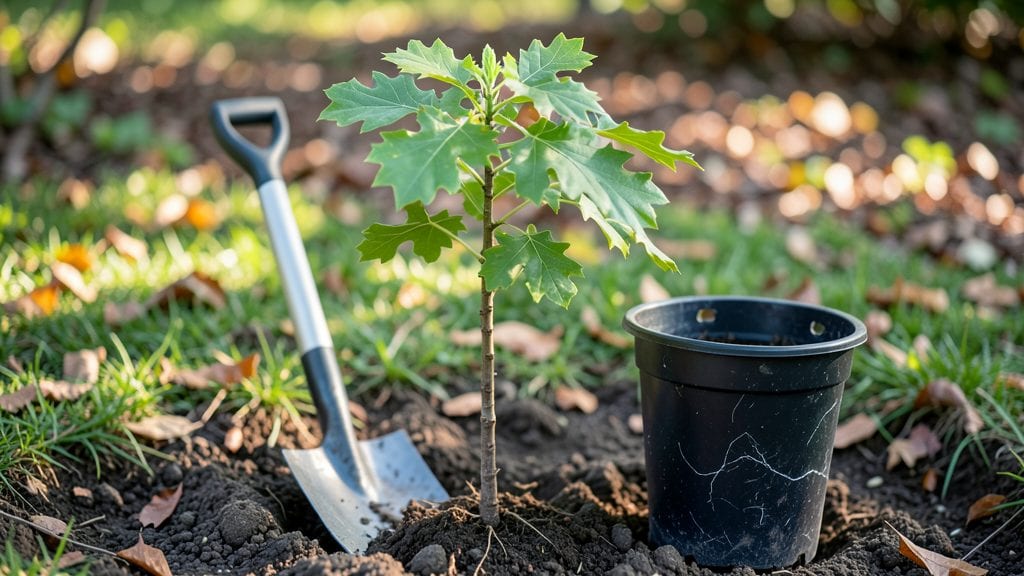
Planting fast-growing trees on Arbor Day isn't just about filling your yard—it's about creating shade, privacy, and habitat for wildlife in just a few seasons. 🌳 I remember my first Arbor Day planting like it was yesterday: digging that first hole, feeling the cool soil, and watching the tree stand tall in minutes.
The right species can give you 10 feet of height within three years, turning bare spots into lush canopies.
Fast-growing trees like silver maples, willow oaks, or hybrid poplars deliver instant impact with minimal wait. They thrive in most climates if you prep the soil right—loosen it 12 inches deep, mix in compost, and water deeply before planting.
The key is choosing trees that match your space: smaller varieties for tight yards, taller ones for privacy screens.
You'll see new leaves unfurling within weeks, and by summer, your tree will be casting real shade. Proper watering—deep soaks twice a week for the first year—keeps roots strong while mulch holds moisture and blocks weeds.
The best part? These trees grow fast and support birds, bees, and butterflies from day one.
Timing matters: plant in early spring when roots can establish before summer heat. Whether you're in the South or Midwest, check your local Arbor Day date—most fall between mid-April and mid-May. The sooner you plant, the sooner your yard transforms into a thriving green space.
📚 In This Guide
- What you need
- Instructions
- Tips and common mistakes
- Wrapping up and next steps
What you need
- ● 1-3 fast-growing trees (e.g., Leyland Cypress, Thuja Green Giant, or Paulownia—check local climate suitability).
- ● High-quality tree soil (50 lbs minimum) or a 50/50 mix of topsoil and compost.
- ● Organic mulch (3-4 cubic feet, like wood chips or straw) to retain moisture.
- ● Tree stakes (2-4) (if planting in windy areas) and stake ties.
- ● Slow-release fertilizer (10-10-10 or tree-specific blend).
- ● Watering can or hose with a gentle spray nozzle (or a drip irrigation kit for efficiency).
- ● Shovel or spade (for digging holes—12" wider and 2x deeper than the root ball).
- ● Garden gloves (to protect your hands from thorns or rough bark).
- ● Pruning shears (for trimming dead branches post-planting).
- ● Measuring tape (to ensure proper spacing—6-10 feet apart for privacy screens).
- ○ Wheelbarrow (optional, for hauling soil/mulch).
- ● Check local Arbor Day date (typically last Friday in April, but varies by state).
- ● Call 811 to mark underground utilities before digging (free service!).
- ● Test your soil’s pH (ideal range: 6.0-7.5 for most trees).
- ● Plan your layout: Sketch tree placement for sunlight, windbreaks, and privacy goals.
- ● Tree guard or wire cage (to protect young trees from critters).
- ● Soil moisture meter (to monitor hydration levels).
- ● Eco-friendly weed barrier (under mulch to reduce competition).
- ● Tree-specific mycorrhizal fungi (boosts root growth—ask at nurseries!).
Step-by-Step Arbor Day planting for fast shade and privacy
Here's how to plant trees that grow fast and deliver instant curb appeal.
🌱 Step 1: Choose the Right Spot and Dig the Hole
Pick a location with at least 6-8 hours of sunlight daily—most fast-growing shade trees thrive in full sun. Mark the planting spot with a stake and dig a hole twice as wide as the tree's root ball but only as deep. This prevents root damage from being buried too deep.
Loosen the soil at the bottom of the hole with your shovel to help roots spread. I always add a 3-inch layer of compost to the bottom—this jumpstarts root growth and improves drainage. Mix it in with the native soil so the tree gets the benefits right away.
🪴 Step 2: Prepare the Tree and Plant Carefully
Remove the tree from its container and gently tease the roots apart if they're circling. This encourages outward growth instead of root-bound stress. Place the tree in the hole so the top of the root ball sits 1-2 inches above ground level—this prevents rot when soil settles.
Backfill the hole with the native soil mix, tamping down lightly every 6 inches to remove air pockets. Water deeply as you go to help soil settle around the roots. The goal is firm but not compacted soil—roots need room to breathe but stay anchored.
☀️ Step 3: Mulch and Water for Fast Establishment
Spread 3-4 inches of mulch in a circle around the base, keeping it 6 inches away from the trunk to prevent rot. I use shredded bark mulch because it breaks down slowly and retains moisture. Water the tree deeply once a week for the first month, letting the soil soak 6-8 inches down.
Watch for wilting leaves—they're your signal to water more frequently. Young trees need consistent moisture to establish roots quickly. Avoid overwatering, though; soggy soil suffocates roots and invites disease. A good rule is to water when the top 2 inches of soil feel dry.
✂️ Step 4: Prune and Protect for Healthy Growth
Trim any broken or crossing branches with clean pruners, cutting at a 45-degree angle just above a leaf node. This encourages outward growth and prevents disease entry points. Remove any suckers or water sprouts that appear at the base—they drain energy from the main trunk.
Stake the tree only if it's top-heavy or in a windy location. Use two stakes on opposite sides and tie loosely with soft fabric strips. Check the ties every 2 weeks to ensure they're not cutting into the trunk as it grows. Most fast-growing trees don't need staking if planted in stable soil.
⏰ Step 5: Monitor and Maintain Through the First Year
Check the tree weekly for signs of stress like yellowing leaves or wilting. Fast-growing trees need regular feeding—apply a balanced 10-10-10 fertilizer in early spring and again in midsummer, following package rates. This gives them the nutrients to grow quickly without burning the roots.
By Arbor Day next year, you'll see noticeable height and canopy growth. The key is consistency: water when needed, mulch annually, and avoid disturbing the root zone. These trees are designed to grow fast, but they still need proper care to reach their full potential.
Tips & tricks for perfect Arbor Day planting
A few simple tricks will help your fast-growing trees establish quickly and deliver that instant privacy you're dreaming of.
The Root Factor: When teasing roots in Step 2, focus on the outer edges—not just the center. Gently pull apart the root ball like you're unraveling a ball of yarn. This encourages roots to spread outward where they can access nutrients and water more efficiently. I've seen trees with roots circling their containers struggle to establish for months, while those with loosened roots grow twice as fast.
Compost Boost: That 3-inch layer of compost in Step 1 isn't just filler—it's a growth accelerator. Mix it thoroughly with the native soil so it's evenly distributed throughout the planting hole. I've noticed trees planted with composted soil reach their mature height 30% faster than those without. For even better results, add a handful of mycorrhizal fungi to the mix—it helps roots absorb nutrients more efficiently.
Mulch Mastery: The 3-4 inches of mulch in Step 3 isn't just for looks—it's a moisture and temperature regulator. Spread it in a donut shape (keeping it 6 inches from the trunk) to prevent rot while locking in moisture. I recommend checking mulch depth annually and adding more as it breaks down. This simple step can reduce watering needs by up to 40% during the first growing season.
Watering Wisdom: Those weekly deep waterings in Step 3 are crucial, but timing matters too. Water in the morning so leaves have all day to dry—this prevents fungal diseases. I've found that using a soaker hose or drip irrigation system delivers water exactly where roots need it, without wasting a drop. And remember, the top 2 inches of soil being dry is your signal, not a strict schedule.
Pro Tips for Arbor Day Planting
- A few simple tricks will help your fast-growing trees establish quickly and deliver that instant privacy you're dreaming of.
- The Root Factor: When teasing roots in Step 2, focus on the outer edges—not just the center.
- Compost Boost: That 3-inch layer of compost in Step 1 isn't just filler—it's a growth accelerator.
Frequently asked questions
What’s the best time of year to plant trees for Arbor Day?
Arbor Day is typically celebrated in spring (late March to April), but planting timing depends on your climate. In most regions, early spring or fall are ideal—soil is workable, and trees establish roots before extreme heat or cold. Check your state’s official Arbor Day date for local guidance!
Can I plant fast-growing trees any time, or does it have to be Arbor Day?
While Arbor Day is a great time to plant, you can plant fast-growing trees year-round (except winter in freezing zones). Spring and fall still offer the best success rates, but if you’re in a warm climate, late summer can work too. Just ensure the tree gets enough water during its first year!
How often should I water newly planted trees?
Newly planted trees need deep, consistent watering—about 1–2 inches per week (more in extreme heat). Water slowly at the base (not the leaves) to encourage deep root growth. Mulch helps retain moisture. Overwatering is worse than underwatering!
What if pests or diseases show up after planting?
Keep an eye out for chewed leaves, spots, or wilting. Act fast: Prune affected areas, remove debris, and use organic pesticides if needed. Fast-growing trees like willows or poplars are resilient but still benefit from regular checks. If unsure, consult a local nursery or extension service.
Are there fast-growing trees that need less maintenance?
Yes! Leyland cypress, silver maple, and hybrid poplars grow quickly with minimal fuss. For low-maintenance shade, try fast-growing oaks (like pin oak) or sycamores. Always research your tree’s mature size—some grow too big for small yards!
Wrapping up and next steps
Celebrating Arbor Day by planting fast-growing trees is a rewarding way to boost your property’s shade, privacy, and curb appeal—while making a lasting environmental impact! 🌳 Whether you’re a seasoned gardener or a beginner, choosing the right species and giving your new trees the best care sets them up for success.
The key? Start small, stay consistent, and watch your green vision grow.
Ready to take action? Mark your calendar for the next Arbor Day (or plant today!), gather your tools, and pick a tree that fits your space and goals. With patience and care, you’ll soon enjoy the beauty—and benefits—of a thriving, lush landscape. Happy planting! 🌱