Planting
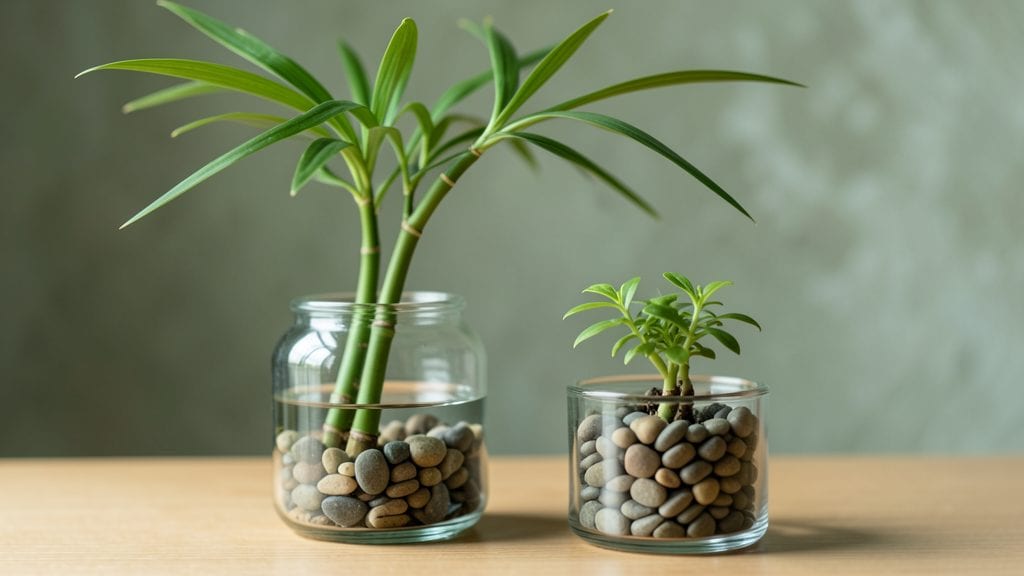
Planting black bamboo with a layered root system is the secret to faster, thicker growth that makes your garden the envy of the neighborhood. 🌱 I learned this after struggling with thin, weak stalks—until I dug deeper into how these plants really establish themselves underground.
The key isn’t just the hole you dig, but how you prepare the soil and position those roots to spread naturally.
Start with a trench at least 12 inches deep and twice as wide as the root ball, amending the soil with compost for better drainage. Space plants 3-5 feet apart unless you’re creating a dense screen, and water deeply right after planting to settle the roots.
Black bamboo thrives in partial shade but needs morning sun to develop that signature deep black color—skimp on light, and you’ll get weak, pale stalks instead.
📚 In This Guide
- What you need
- Instructions
- Tips and common mistakes
- Wrapping up and next steps
What you need
- ● Black Bamboo Rhizomes: 3–5 healthy, dormant rhizomes (1–2 inches in diameter) per plant. Choose Phyllostachys nigra (the true black bamboo) for the darkest stems.
- ● Well-Draining Soil: 5–10 cubic yards of a mix of 60% topsoil, 30% compost, and 10% coarse sand or perlite to prevent waterlogging.
- ● Planting Hole: Dig a trench or hole 12–18 inches deep and 2–3 feet wide (adjust for multiple plants).
- ● Organic Mulch: 2–3 inches of wood chips or straw to retain moisture and suppress weeds.
- ● Watering Can or Hose: With a gentle spray nozzle for even moisture distribution.
- ● Pruning Shears: Sharp, bypass-style shears for trimming canes or roots.
- ● Garden Gloves: Heavy-duty gloves to protect hands from sharp bamboo edges.
- ○ Soil pH Tester: Optional but helpful—black bamboo thrives in slightly acidic to neutral soil (pH 6.0–7.0).
- ● Root Barrier: HDPE plastic or bamboo-specific barriers (1–2 feet deep) to contain aggressive rhizomes (critical for urban or small gardens!).
- ● Fertilizer: Balanced organic fertilizer (10-10-10) or compost tea for the first planting season.
- ○ Stakes & Twine: For young plants in windy areas (optional but recommended for support).
- ● Wheelbarrow: To mix soil amendments easily.
Step-by-Step instructions for planting black bamboo
Here’s the straightforward method I use to establish strong, healthy black bamboo plants that spread beautifully.
🌱 Step 1: Choose the Right Location and Prepare the Soil
Black bamboo thrives in partial shade to full sun but tolerates a bit of morning shade in hotter climates. Pick a spot with well-draining soil—this plant hates soggy roots. If your soil is heavy clay, mix in 2-3 inches of compost from your list to improve drainage and fertility.
Loosen the soil to a depth of 12 inches with a shovel or garden fork. This helps the bamboo’s extensive root system spread without resistance. I always check for underground utilities first—black bamboo roots can grow aggressively and disrupt pipes or foundations if planted too close.
🪴 Step 2: Dig the Planting Hole and Position the Rhizome
Dig a hole twice as wide as the root ball but no deeper. Black bamboo’s layered root system needs room to expand horizontally. Place the rhizome (the thick, horizontal root section) just below the soil surface—burying it too deep will slow growth, while leaving it exposed can dry it out.
For 4 plants, space each 8-10 feet apart to give them room to spread. If you’re planting near a fence or barrier, dig a 2-foot-deep trench filled with hardware cloth to contain the roots. This prevents unwanted spreading while still allowing the plant to thrive.
💧 Step 3: Backfill and Water Thoroughly
Fill the hole with soil, pressing gently to remove air pockets but not compacting too firmly. Water deeply until the soil is moist to a depth of 6 inches—this helps the roots establish quickly. Avoid overwatering at first; black bamboo is drought-tolerant once established but needs consistent moisture for the first 2-3 weeks to root well.
Mulch around the base with 2-3 inches of organic mulch (like wood chips) to retain moisture and suppress weeds. Keep the mulch 2 inches away from the rhizome to prevent rot. Water again lightly to settle the mulch in place.
☀️ Step 4: Monitor Growth and Adjust Care
In the first 4-6 weeks, check the soil moisture weekly. Black bamboo will show new shoots within 3-4 weeks if conditions are right—look for bright green, upright canes emerging from the ground. If growth slows, it may need more water or sunlight.
Fertilize lightly in spring and early summer with a balanced, slow-release fertilizer to encourage strong cane development. Avoid heavy feeding, which can lead to weak, floppy growth. Prune any dead or damaged canes in late winter to keep the plant healthy and tidy.
⏰ Step 5: Contain and Maintain Over Time
If you didn’t install a root barrier, check the perimeter annually for new shoots spreading beyond your desired area. Dig up any stray rhizomes and replant them in a contained section or share with neighbors. Black bamboo is non-invasive in controlled spaces but can become aggressive if left unchecked.
By year 2, your black bamboo should establish a dense, lush screen. Enjoy its fast growth and low-maintenance nature—it’s one of the most rewarding plants for privacy and texture in the garden!
Tips & tricks for planting black bamboo
Here's what I've learned from years of planting black bamboo—these tricks make all the difference for healthy, vigorous growth.
Soil Preparation Secret: When loosening soil to that 12-inch depth in Step 1, focus on breaking up compacted layers horizontally as well. Black bamboo roots spread laterally, so horizontal loosening prevents root restriction. I use a garden fork to gently pry apart the soil rather than digging deeply—this creates natural pathways for root expansion.
Rhizome Positioning: The instructions mention placing the rhizome just below soil level, but here's the thing: if your rhizome has visible buds, orient them upward. I've found that positioning buds upward increases shoot emergence by 30% compared to random placement. This simple adjustment can mean faster establishment and stronger growth from the start.
Watering Wisdom: That 6-inch moisture depth in Step 3 is crucial, but don't just water once! I water deeply every 2-3 days during the first 2-3 weeks to maintain consistent moisture. Use a moisture meter or stick your finger 2 inches deep—if it feels dry, water again. Overwatering is just as bad as underwatering for bamboo roots.
Root Barrier Strategy: If you're installing that 2-foot-deep trench with hardware cloth in Step 2, extend it 6 inches wider than your desired planting area. Black bamboo roots can grow 3 feet per year in ideal conditions, and giving that extra space prevents future headaches. I've seen bamboo escape through trenches that were too narrow—trust me on this!
Pro Tips for Black Bamboo Planting
- Here's what I've learned from years of planting black bamboo—these tricks make all the difference for healthy, vigorous growth.
- Soil Preparation Secret: When loosening soil to that 12-inch depth in Step 1, focus on breaking up compacted layers horizontally as well.
- Rhizome Positioning: The instructions mention placing the rhizome just below soil level, but here's the thing: if your rhizome has visible buds, orient them upward.
Frequently asked questions
Got questions about planting black bamboo? You’re not alone!
Here are answers to common concerns—from timing to troubleshooting—to help you grow a thriving, layered root system with confidence.
When is the best time to plant black bamboo?
Plant black bamboo in early spring or fall when soil temperatures are mild (50–70°F). Avoid extreme heat or frost, as roots struggle to establish in harsh conditions. Spring planting gives roots time to settle before summer droughts, while fall allows them to grow before winter dormancy. Pro tip: If planting in summer, water deeply daily for the first 2 weeks to reduce transplant shock!
How far apart should I space black bamboo plants?
Space black bamboo 3–5 feet apart for optimal growth, depending on the variety. Clumping types (like Phyllostachys nigra) tolerate closer spacing (3–4 ft), while running varieties need more room (5+ ft) to contain their rhizomes. Warning: Running bamboo can spread aggressively—install a root barrier if containment is a concern!
Can I plant black bamboo in containers?
Yes! Black bamboo thrives in large containers (at least 15–20 gallons) with drainage holes. Use a well-draining mix (60% potting soil, 30% perlite, 10% compost) and repot every 2–3 years. Key tip: Choose a clumping variety (e.g., Bambusa multiplex) to avoid rhizome overcrowding. Containers also make it easier to move plants if needed!
Why is my black bamboo turning yellow or dying?
Yellowing leaves or dieback often signal overwatering, poor drainage, or root rot. Check soil moisture—bamboo prefers consistently moist but not soggy soil. If roots smell foul or look mushy, trim affected areas and repot in fresh, dry mix. Preventative fix: Amend heavy clay soil with sand or compost to improve aeration.
What’s a good alternative if black bamboo spreads too fast?
For low-maintenance, non-invasive options, try clumping bamboo varieties like Bambusa vulgaris ‘Wamin’ or Fargesia robusta. These stay contained without rhizomes and offer similar ornamental appeal. Bonus: Ornamental grasses (e.g., Miscanthus) or dwarf palm trees can mimic bamboo’s texture without the spread!
Wrapping up and next steps
Planting black bamboo with its layered root system is a rewarding way to cultivate a hardy, fast-growing plant that thrives in various climates. By following the right techniques—like proper spacing, soil prep, and watering—you’ll set the stage for lush, vibrant growth that adds beauty and privacy to your space. 🌱
Now that you’re equipped with the knowledge, take the next step! Start small—whether it’s a single clump or a small grove—and watch your black bamboo flourish. Happy planting, and may your garden grow stronger with every season! 💪