
Plants
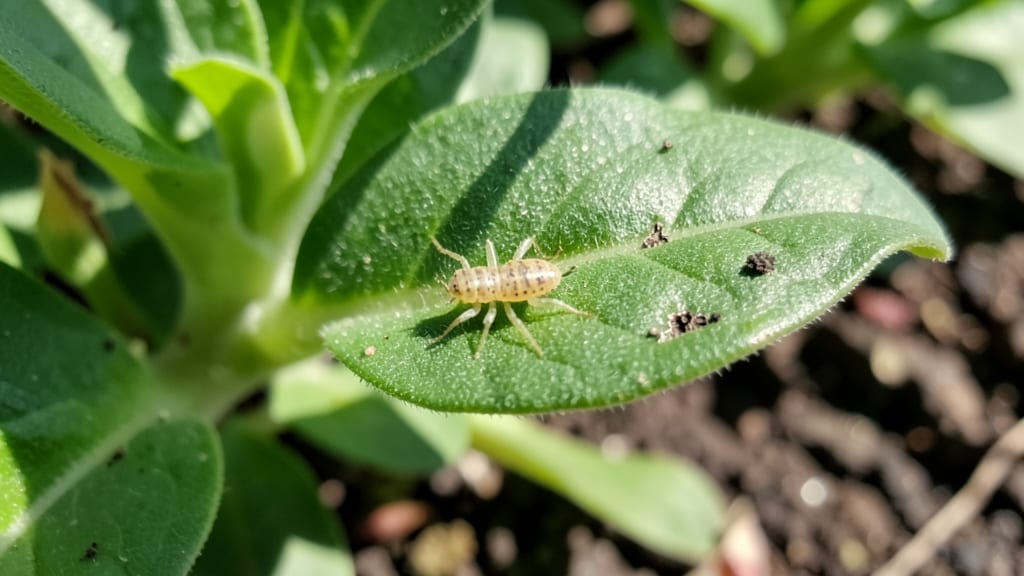
Bugs on petunia plants turn those glossy leaves into a buffet faster than you can say "summer blooms." 🌿 I’ve watched aphids swarm my petunias like they’re at an all-you-can-eat salad bar, and the sticky residue they leave behind is no joke—it’s called honeydew, and it ruins the look of your flowers.
The good news? You don’t need harsh chemicals to kick them out. A few targeted organic remedies, applied at the right time, can restore your petunias to their full, vibrant glory.
Most of these pests—aphids, spider mites, and earwigs—love the soft new growth of petunias. They thrive in dry, dusty conditions, so keeping your plants well-watered and free of debris is half the battle. The other half? Knowing which bugs you’re dealing with.
Aphids cluster on stems and undersides of leaves, while spider mites spin tiny webs and leave yellow speckles. Earwigs? They hide in damp soil by day and chew leaves at night. Once you spot them, you’ve got options that work without poisoning your garden.
By the time you’re done reading, you’ll have a three-step plan to evict these pests for good: a soapy water spray for aphids, neem oil for mites, and diatomaceous earth for earwigs.
The results come fast—within 24-48 hours—and your petunias will bounce back with shinier leaves and more blooms than before. The key is acting early, so don’t wait until the bugs have thrown a full-blown party.
This works for container petunias, hanging baskets, and in-ground beds alike, and the methods adapt to hot summers or humid climates. If the infestation spreads beyond your petunias or you’re dealing with something that doesn’t respond to these fixes, it’s time to call in a pro.
But for 90% of gardeners, these remedies are all you’ll ever need to keep your petunias looking their best all season.
Understanding the Root Causes
Petunias are stunning, fragrant additions to any garden—but they’re also a magnet for pests. If your petunias are suddenly covered in bugs, the issue likely stems from a mix of environmental, biological, and even human-related factors.
Let’s break down the why behind these unwelcome visitors, so you can tackle the problem at its source.
🌡️ Heat and Drought Stress Petunias thrive in well-drained soil with consistent moisture, but when they’re underwatered or exposed to extreme heat, their leaves become crispy and weakened.
This stress makes them more vulnerable to aphids, spider mites, and whiteflies, which are drawn to the plant’s sugary sap as a quick energy source. Additionally, drought-stressed plants produce less chlorophyll, turning leaves pale—an open invitation for pests that prefer weakened hosts.
💡 Pro Tip: Mulch around your petunias with organic matter (like straw or shredded bark) to retain moisture and reduce stress. Water deeply in the early morning to prevent fungal issues that can further weaken the plant.
🌿 Lack of Airflow and Humidity Petunias planted too closely together create a cozy, humid microclimate—perfect for soft-bodied insects like thrips and aphids. Poor airflow also slows down the drying of dew, leaving plants damp longer, which attracts fungus gnats and slugs.
Even worse, overcrowding spreads pests rapidly from plant to plant, turning a small infestation into a full-blown crisis.
🔧 Actionable Fix: Prune regularly to improve airflow, and space petunias 12–18 inches apart in beds or containers. If you’re growing them in pots, ensure they’re not stacked too tightly on shelves or benches.
🧪 Excess Nitrogen or Synthetic Fertilizers While petunias love nutrients, too much nitrogen (common in fast-acting fertilizers) leads to lush, soft growth—a buffet for chewing insects like caterpillars and beetles.
Additionally, chemical fertilizers can disrupt the soil’s natural microbial balance, reducing beneficial predators (like ladybugs and lacewings) that keep pests in check.
🌱 Natural Solution: Switch to organic, slow-release fertilizers (like compost or worm castings) and balance NPK ratios (e.g., 5-5-5 or 3-4-6) to encourage stronger, pest-resistant growth.
🐞 Loss of Beneficial Insects Petunias are part of a delicate ecosystem.
When you use broad-spectrum pesticides (even "organic" ones like neem oil overused), you’re not just killing pests—you’re also eliminating their natural predators, such as: - Ladybugs (devour aphids) - Lacewings (eat spider mites and thrips) - Ground beetles (hunt caterpillars and slugs)
Without these allies, pests multiply unchecked, leading to outbreaks that seem to appear overnight.
✨ Eco-Friendly Strategy: Encourage biodiversity by planting companion flowers (like marigolds, dill, or basil) near your petunias. These attract pollinators and predator insects, creating a self-regulating pest control system.
📅 Peak Pest Seasons Certain bugs time their life cycles with petunia growth:
- Aphids and whiteflies explode in warm, humid summers (June–August).
- Spider mites thrive in dry, hot conditions (late summer to early fall).
- Cutworms and slugs become active after rainy springs or falls.
Petunias in full bloom (with their sweet nectar and tender new growth) are especially tempting to pests during these periods.
🌡️ Seasonal Defense: Monitor plants weekly during peak pest seasons. Use sticky traps for flying insects and handpick slugs at dusk with a flashlight.
🛒 Overwatering or Poor Drainage While petunias need consistent moisture, soggy soil creates the perfect breeding ground for fungus gnats and root maggots.
These pests lay eggs in wet, organic-rich soil, and their larvae chew on roots, weakening the plant and making it more susceptible to other pests.
💧 Fix It Fast: Ensure pots have drainage holes and raise containers slightly off the ground. Water only when the top inch of soil is dry.
🌻 Some Petunia Varieties Are More Vulnerable Not all petunias are created equal. Grandiflora varieties (with large, showy blooms) are more attractive to nectar-loving pests like butterflies and bees—but also their predators. Meanwhile, multiflora types (with smaller, dense flowers) may be less appealing to some insects.
🔍 Smart Planting Tip: If pests are a recurring issue, try heat-tolerant or disease-resistant hybrids, like those bred for Southern climates or container gardening.
Bugs on petunias aren’t just random bad luck—they’re usually a sign of an underlying imbalance in your garden’s ecosystem. By addressing stress, soil health, airflow, and predator support, you can dramatically reduce the likelihood of infestations before they start. The key? Act proactively, not reactively.
Quick Fixes for Common Petunia Pests
If your petunia plants are under siege by unwanted critters, don’t panic—there are effective, organic solutions to restore their health. Below, we’ve mapped out practical fixes for the most common pests, along with preventive tips to keep your petunias thriving.
Whether it’s aphids, spider mites, or slugs, we’ve got you covered with easy-to-follow steps and long-term strategies to protect your garden.
Aphids cluster on new growth, sucking sap and leaving behind sticky honeydew that attracts mold. Here’s how to banish them fast:
🔥 Immediate Action: Blast Them Off
- Spray with soapy water: Mix 1 tsp mild dish soap (like Castile) in 1 quart of water. Spray directly on aphids until they drop off.
Repeat every 3–4 days until gone. - Introduce ladybugs: These natural predators love aphids. Buy them online or attract them by planting dill, fennel, or marigolds nearby.
🌱 Long-Term Prevention
- Encourage beneficial insects: Plant alyssum, basil, or yarrow to draw in lacewings and parasitic wasps, which hunt aphids.
- Prune regularly: Remove infested leaves and dispose of them in a sealed bag (don’t compost them!).
- Neem oil spray: Mix 1 tbsp neem oil + 1 tsp soap + 1 quart water.
Spray every 5–7 days to deter future infestations.
These tiny red or yellow pests thrive in hot, dry conditions, weaving webs on undersides of leaves. If left unchecked, they’ll skeletonize your petunias in weeks.
🍳 DIY Miticide Spray (Safe & Strong)
- Mix: 1 tbsp vegetable oil + 1 tbsp dish soap + 1 gallon water.
Stir well and spray both sides of leaves until glossy wet. - Repeat: Apply every 3–4 days for 2 weeks, even if you don’t see mites anymore.
👨🍳 Pro Tip: Boost Humidity
- Spider mites hate moisture. Use a hose to mist plants daily or place a shallow tray of water near them to increase humidity.
- Avoid over-fertilizing: Too much nitrogen = weaker plants = easier mite targets.
These slimy invaders leave large, irregular holes in petunia leaves overnight. They’re especially active after rain.
⏰ Nighttime Traps (Catch Them in Action)
- Beer traps: Bury a small container (like a yogurt cup) filled with beer so the rim is level with the soil.
Slugs crawl in and drown—empty and refill every 2–3 days. - Copper tape barrier: Wrap copper tape around pots or garden beds—slugs get a mild shock when they touch it.
🔪 Natural Repellents
- Crushed eggshells or diatomaceous earth: Sprinkle around the base of plants to create a gritty barrier they can’t cross.
- Coffee grounds: Sprinkle used grounds near plants—slugs avoid the smell.
These tiny white moths flutter above plants and weaken leaves with their sticky residue. They’re hard to spot until it’s too late.
🥘 Yellow Sticky Traps (Best Early Detection)
- Hang yellow cards coated with honey or petroleum jelly near petunias. Whiteflies get stuck—check and replace traps weekly.
🌡️ Hot Water Spray (Quick Knockdown)
- Fill a spray bottle with hot (not boiling) water and directly spray whitefly clusters on the undersides of leaves. They’ll drop instantly.
🎯 Prevent Future Infestations
- Remove infected leaves immediately and soak them in soapy water before disposal.
- Use reflective mulch: Cover soil with white gravel or aluminum foil—whiteflies hate bright light and avoid landing.
- Rotate plants: Avoid planting petunias in the same spot yearly to break pest life cycles.
- Water in the morning: Wet foliage dries faster, reducing fungal issues and slug activity.
- Healthy soil = strong plants: Use compost and organic fertilizer to keep petunias vigorous and pest-resistant.
Remember: The key to long-term success is consistency. Check your petunias weekly, act at the first sign of trouble, and soon your garden will be bug-free and blooming beautifully! 🌸💚
Frequently asked questions
What are the most common bugs that attack petunia plants?
The top culprits are aphids (tiny green/black clusters), spider mites (red/yellow webbing), earwigs (curled at night), and slugs (chewed leaves). Whiteflies and thrips also target petunias during peak summer blooms.
How do I tell if my petunias have spider mites vs. aphids?
Spider mites create fine webbing on leaf undersides and cause yellow stippling. Aphids leave sticky honeydew and cluster on new growth. Check with a magnifying glass—mites are microscopic, while aphids are visible to the naked eye.
Can I use neem oil on petunias with flowers?
Yes, but apply it early in the morning when flowers are closed to avoid harming bees. Neem oil is safe for petunias and effective against aphids, mites, and whiteflies. Mix 1 tbsp neem oil + 1 tsp soap + 1 quart water and spray thoroughly.
Why do my petunias keep getting bugs even after treatment?
Persistent pests often mean underlying issues like poor airflow, overwatering, or lack of beneficial insects. Check for stressed plants (yellowing leaves, wilting) and adjust care. Introduce ladybugs or lacewings for natural control.
Are there petunia varieties less prone to bugs?
Yes! Multiflora varieties (like 'Supertunia') have denser foliage that repels some pests. Heat-tolerant hybrids (e.g., 'Wave' series) also resist stress better. Choose disease-resistant labels at nurseries for extra protection.