
Neem Oil
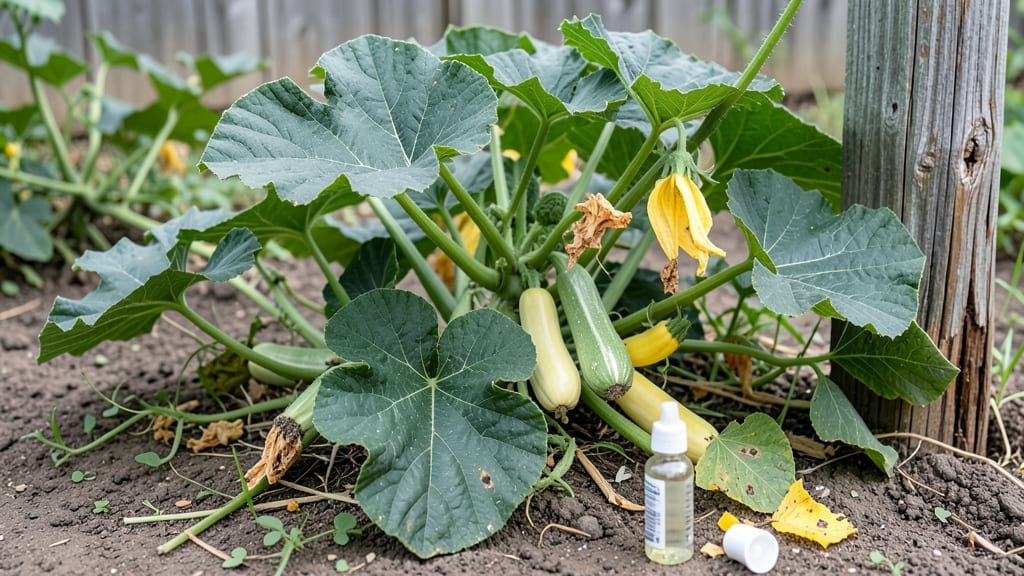
Neem oil on squash plants saved my harvest last summer when squash bugs and powdery mildew threatened my crops—after a vine borer outbreak, I turned to it, and within a week, the pests vanished without harming my plants. The key lies in proper dilution, timing, and application technique.
This organic solution works by disrupting pests' life cycles while strengthening plant defenses. You'll need just three ingredients: pure neem oil, mild liquid soap, and water. The process takes under 15 minutes, and you can apply it safely to edible crops right before harvest—no waiting period required.
For best results, spray in the early morning or evening when temperatures stay below 90°F.
What you'll achieve is a thriving squash patch with glossy leaves and vigorous vines. The plants develop natural resistance to future infestations, and beneficial insects remain undisturbed. Just be mindful of potential leaf burn if applied too frequently—once every 7-10 days during active pest seasons is ideal.
Perfect for backyard gardens, raised beds, and container growing systems alike. The same recipe works for cucumbers, melons, and pumpkins too. Here's how to mix and apply it effectively without compromising plant health.
Root Causes of Squash Plant Struggles
When neem oil—nature’s organic pest repellent—seems to backfire on your squash plants, frustration is understandable. But before blaming the oil itself, it’s worth digging into the real reasons why your plants might react poorly.
Understanding these causes helps you adjust your approach and protect your harvest without harming your garden. Below, we break down the most common culprits, backed by science and actionable insights.
Neem oil is potent, and too much of a good thing can do more harm than good. When applied at higher concentrations than recommended (typically 1–2% diluted solution), it can damage plant tissues, leading to:
- Phytotoxicity: Neem oil contains azadirachtin, a compound that disrupts insect hormones. In high doses, it can also disrupt plant cell membranes, causing brown or yellow spots on leaves—especially in sensitive varieties like Cucurbita pepo (summer squash).
- Stunted Growth: Overapplication may interfere with photosynthesis by clogging stomata (leaf pores), reducing the plant’s ability to absorb CO₂.
- Soil Imbalance: Repeatedly using undiluted neem oil as a soil drench can alter microbial activity, harming beneficial fungi and bacteria that help squash plants thrive.
Actionable Fix: Always dilute neem oil to 1–2% concentration (e.g., 1–2 tbsp per gallon of water). For squash plants, stick to foliar sprays and avoid soil applications unless treating root pests like squash vine borers.
Neem oil works best under specific conditions. Applying it at the wrong time can reduce effectiveness—or worse, stress your plants.
- Extreme Heat or Direct Sun: Neem oil is phototoxic, meaning it can burn leaves when exposed to UV rays. Spraying during peak sun (10 AM–4 PM) increases the risk of leaf scorch, especially on broadleaf squash varieties.
- Cold Temperatures: Below 50°F (10°C), neem oil’s active compounds break down faster, reducing efficacy. Cold-stressed plants are also more vulnerable to damage.
- Young or Stressed Plants: Seedlings or plants recovering from transplant shock, drought, or disease are more sensitive to neem oil. Their thin cuticles can’t handle the oil’s emulsifiers as well as mature foliage.
Actionable Fix:
- ✅ Spray early morning or late evening to avoid sun exposure.
- ✅ Wait until plants are at least 2–3 weeks old and have established roots.
- ✅ Avoid spraying if temperatures are below 55°F (13°C) or above 90°F (32°C).
Neem oil’s performance hinges on how it interacts with your squash plants’ environment. Poor soil health or hard water can neutralize its benefits—or turn it against your garden.
- Hard Water Interference: If your tap water has high mineral content (especially calcium and magnesium), it can bind to neem oil’s emulsifiers, causing the oil to separate and settle on leaves as a sticky residue. This residue can block stomata, suffocating the plant.
- Poor Drainage or Compacted Soil: Squash plants with waterlogged roots are more susceptible to fungal infections (like powdery mildew), which neem oil alone can’t prevent. Overhead sprays on wet foliage can also promote fungal growth.
- Lack of Organic Matter: Neem oil works synergistically with healthy soil microbes. If your soil is depleted of compost or organic matter, the oil’s azadirachtin may not persist long enough to deter pests like cucumber beetles or aphids.
Actionable Fix:
- 💡 Use rainwater or distilled water for mixing neem oil to avoid mineral buildup.
- 💡 Test soil pH—aim for 6.0–7.0 for optimal neem oil absorption.
- 💡 Improve drainage by amending soil with compost or perlite before planting.
Not every squash plant problem is a pest issue—and neem oil won’t help if the root cause is something else. Misidentifying the problem can lead to wasted effort (or worse, masking a bigger issue).
| Symptom | Actual Cause | Why Neem Oil Fails |
|---|---|---|
| Yellowing leaves (starting at tips) | Nutrient deficiency (e.g., nitrogen or magnesium) | Neem oil doesn’t address soil deficiencies; overuse may worsen stress. |
| White powdery coating on leaves | Powdery mildew (fungal, not insect-related) | Neem oil has limited antifungal properties—use baking soda spray instead. |
| Holes in leaves with frass (chewed debris) | Squash vine borers (larvae) or cucumber beetles | Neem oil repels adults but won’t kill larvae—handpick borers or use kaolin clay. |
| Wilting despite moist soil | Viral infection (e.g., cucumber mosaic virus) or root rot | Neem oil is ineffective against viruses; remove infected plants to prevent spread. |
Actionable Fix: Before spraying, inspect plants closely:
- 🔍 Check undersides of leaves for pests.
- 🔍 Look for webbing or mold (fungal issues).
- 🔍 Test soil for nutrient levels if growth is stunted.
By addressing these root causes, you’ll not only protect your squash plants but also ensure neem oil works as intended—without the unintended side effects. Next, we’ll cover how to apply neem oil correctly for maximum pest control and plant health.
Quick fixes for squash plant woes
Neem oil is a garden superhero, but even the best remedies need a little troubleshooting now and then. Whether your squash plants are battling pests, diseases, or environmental stress, here’s how to diagnose and fix common issues—fast—while keeping your garden thriving.
Cause: Aphids, cucumber beetles, or spider mites are feasting on your squash. Fix:
- Spray neem oil directly on affected leaves (undersides too!). Mix 1 tbsp neem oil + 1 tsp mild soap + 1 quart water, shake well, and apply in the early morning or late evening to avoid harming bees. 🌿
- Prune infested leaves and dispose of them in a sealed bag (not the compost!). ❌
- Use row covers for young plants to block pests before they arrive. 🛡️
Prevent: Rotate crops yearly and interplant with marigolds or basil—they repel pests naturally. ✨
Cause: Powdery mildew or downy mildew from damp leaves or poor airflow. Fix:
- Spray neem oil as a fungicide (same recipe as above) every 7–10 days until symptoms fade. Add 1 tsp baking soda for extra oomph. 🧼
- Space plants wider (3–4 feet apart) to improve airflow. 🌬️
- Water at the base (not overhead) and remove infected leaves immediately. ⏰
Prevent: Water early in the day so leaves dry quickly, and avoid overhead sprinklers. 💦
Cause: Overwatering, root rot, or nutrient deficiency. Fix:
- Test soil moisture—stick your finger 1 inch deep. If damp, hold off on watering for a few days. 💧
- Fertilize lightly with compost tea or a balanced organic fertilizer (5-5-5) if leaves are pale. 🌱
- Repot or transplant if roots are mushy (sign of rot). Trim soft roots and replant in fresh, dry soil. ⚕️
Prevent: Use mulch to retain moisture without soggy soil, and ensure pots/drainage holes are present. 🌿
Cause: Too much sun, heat, or cold snapping squash growth. Fix:
- Provide shade cloth (30–50%) if temps hit 90°F+ for prolonged periods. ☀️
- Move potted squash to a sheltered spot if frost is forecast. ❄️
- Mulch heavily with straw or grass clippings to regulate soil temp. 🌡️
Prevent: Choose heat-tolerant varieties like ‘Eight Ball’ or ‘Straightneck’ squash for hot climates. 🔥
Always spot-test neem oil on a small leaf first—some squash varieties (like delicate zucchini) may react. If irritation occurs, rinse with water and discontinue use. 🧪
Remember: Consistency is key! Monitor your squash plants weekly, and adjust treatments as needed. With neem oil and these fixes, your garden will be pest-free, vibrant, and productive in no time. 🚀
Frequently asked questions
How often should I apply neem oil to squash plants?
Apply neem oil every 7-10 days during active pest seasons (spring through fall). For preventive care, a monthly application works well. Stop treatment 24 hours before harvest to ensure no residue remains on edible portions.
Can I use neem oil on squash flowers or fruit?
Yes, but avoid direct contact with blooms and young fruit. Neem oil can disrupt pollinators like bees when applied heavily. Focus on foliage and stems, and always apply in the early morning or evening when bees are less active.
What's the best time of day to spray neem oil?
Spray in the early morning (before 8 AM) or late evening (after 6 PM) when temperatures are below 85°F. This prevents leaf burn from UV exposure and allows the oil to work overnight. Avoid spraying on windy days to prevent drift.
Will neem oil harm beneficial insects like ladybugs?
When used correctly, neem oil targets pests while sparing beneficial insects. However, high concentrations or repeated applications can harm ladybugs and bees. Always dilute to 1-2% concentration and apply only when pests are present—not as a preventive measure.
How do I know if my squash plant needs neem oil?
Look for signs like yellowing leaves, sticky residue (aphid honeydew), or small holes from pests. Check leaf undersides for eggs or larvae. Neem oil works best on visible pests like squash bugs, aphids, and spider mites—not fungal issues like powdery mildew.