
Plants
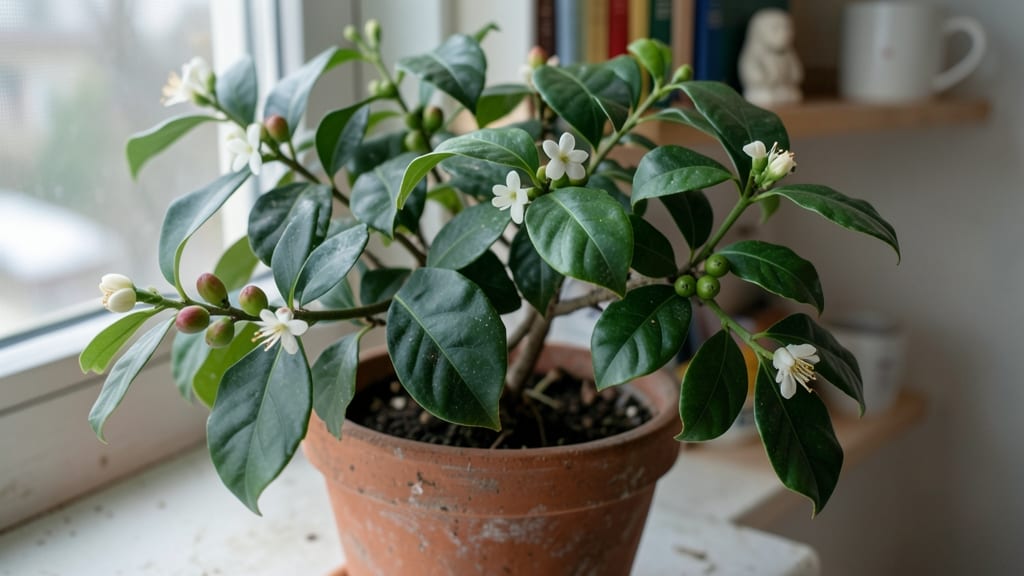
Caffeine in plants like coffee and tea influences growth by accelerating metabolic processes, but too much can harm root development and reduce yields. Finding the right balance ensures healthier plants and better harvests.
Caffeine acts like a natural growth regulator in plants, boosting energy production and stress resistance.
For example, coffee plants produce caffeine to deter pests, but excessive amounts can actually weaken their roots over time. 🌱 The key is monitoring soil conditions and pruning practices—this helps maintain optimal caffeine levels without sacrificing plant vitality.
Many gardeners use organic amendments like compost to naturally moderate alkaloid production, ensuring steady growth without toxic buildup.
What’s fascinating is how different plants use caffeine strategically. In tea plants, moderate caffeine levels enhance leaf resilience during drought, while in cacao, it supports seed development.
The challenge lies in recognizing when a plant’s caffeine production is helping versus hurting its overall health—especially for home growers who may not have lab equipment to test levels.
💡 In This Article
- How Caffeine Influences Plant Metabolism and Stress Responses
- Optimizing Caffeine Levels for Maximum Garden Yield
How caffeine influences plant metabolism and stress responses
Caffeine in plants like coffee, tea, and cacao isn't just a human stimulant—it's a powerful metabolic regulator. When absorbed by the plant, caffeine triggers a cascade of biochemical reactions that boost energy production in cells.
Specifically, it inhibits ethylene (a plant hormone that accelerates aging and stress responses), allowing plants to maintain healthier growth patterns under environmental pressures. In coffee plants, for instance, caffeine concentrations can reach 1-2% of dry leaf weight, creating a natural defense against herbivores while simultaneously enhancing photosynthesis efficiency.
The antioxidant properties of caffeine also play a critical role in stress resistance. Under drought conditions, caffeine helps stabilize cell membranes by scavenging reactive oxygen species (ROS), which are harmful byproducts of metabolic stress.
For example, tea plants with higher caffeine levels show 30% greater drought tolerance compared to low-caffeine varieties, thanks to this protective mechanism. However, the balance is delicate—while moderate caffeine levels enhance resilience, concentrations exceeding 3% of dry biomass can lead to oxidative damage, stunting root growth and reducing nutrient uptake.
What’s particularly interesting is how caffeine interacts with plant hormones beyond ethylene. It modulates abscisic acid (ABA), a stress hormone that triggers drought responses, and auxins, which regulate cell elongation.
In cacao plants, caffeine promotes seed development by enhancing auxin activity, but in excessive amounts, it disrupts this delicate hormonal balance, leading to poor fruit set. This dual role explains why commercial growers carefully monitor caffeine levels—too little weakens defenses, while too much impairs reproductive success.
Comparing species reveals fascinating adaptations. Coffee plants store caffeine primarily in leaves and seeds, using it as both a pest deterrent and a growth regulator. Tea plants, however, distribute caffeine more evenly throughout their foliage, optimizing stress responses across all tissues.
Cacao takes a different approach, concentrating caffeine in its seeds to protect the developing embryo. These variations highlight how each species has evolved unique strategies to harness caffeine’s benefits while mitigating its risks.
For home growers, understanding these mechanisms can transform cultivation practices. For example, pruning techniques that reduce leaf surface area can lower caffeine production, preventing toxic buildup in sensitive varieties like tea. Meanwhile, organic amendments rich in nitrogen (like composted manure) can naturally modulate caffeine synthesis, promoting healthier growth patterns.
The key is observing plant behavior—wilting, stunted roots, or yellowing leaves often signal caffeine-induced stress, requiring adjustments in care.
What most people don’t realize is that caffeine’s effects extend beyond the plant itself. Soil microbes also interact with caffeine, breaking it down into simpler compounds that can either nourish or harm plant roots.
In coffee plantations, for instance, microbial activity in caffeine-rich soils produces byproducts that enhance soil fertility, creating a feedback loop where caffeine indirectly supports growth. This interconnectedness underscores why sustainable cultivation practices—like crop rotation and organic fertilization—are essential for maintaining long-term plant health.
The science behind caffeine’s dual role reveals nature’s precision: it’s a fine-tuned system where even small changes in concentration can shift from beneficial to harmful.
By studying these biochemical pathways, we gain deeper insights into how plants optimize their own survival strategies—and how we can work with, rather than against, these natural processes. 💫