
Neem Oil
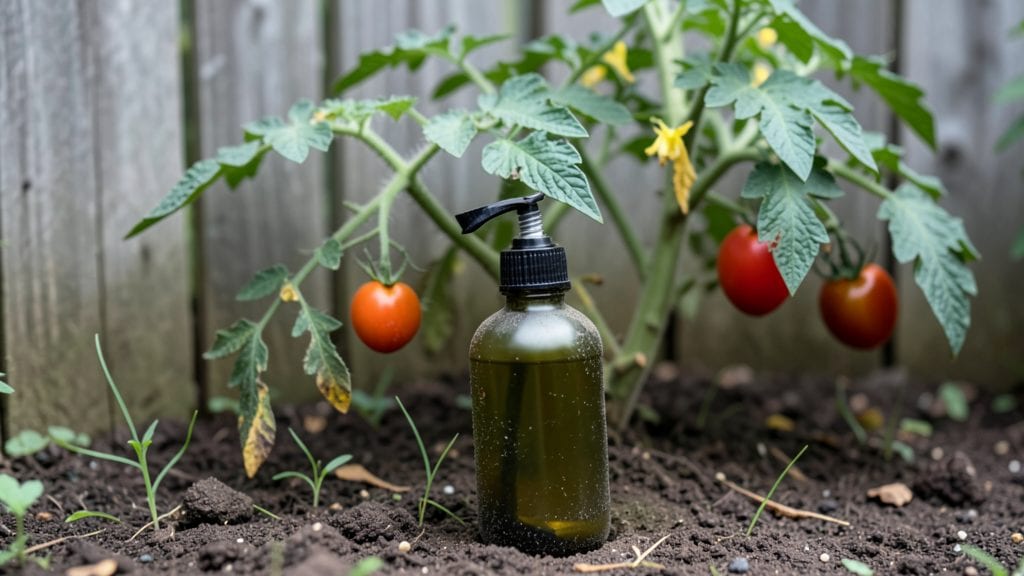
Neem oil can be used on tomato plants safely when diluted properly—typically at a 1% concentration (1 teaspoon per quart of water)—to control pests like aphids and spider mites without harming the plants or disrupting pollination. Apply in the evening to avoid damaging beneficial insects and reapply every 7-14 days as needed.
This natural pesticide works wonders because its active compound, azadirachtin, disrupts insect feeding and reproduction without leaving harmful residues. 🌱 I’ve found that even organic gardeners swear by it for managing tomato pests—just remember to avoid spraying during flowering if you want to protect pollinators.
The key is consistency: regular applications create a protective barrier while keeping your plants thriving.
For best results, mix the solution in a spray bottle and apply evenly to both leaf surfaces, focusing on undersides where pests hide. Always test a small area first, as some tomato varieties may react differently to the oil’s concentration.
The evening timing isn’t just about avoiding bees—it also reduces sun exposure, which can burn leaves when combined with the oil’s natural properties.
💡 In This Article
- How Neem Oil Works on Tomato Plant Pests
- Safe Neem Oil Application Guide for Tomatoes
How neem oil works on tomato plant pests
The magic behind neem oil’s pest-fighting power lies in its active compound, azadirachtin, a natural tetranortriterpenoid found in the neem tree’s seeds. This compound works like a multi-tool for insects, disrupting their life cycles at multiple stages.
When pests like aphids or spider mites ingest or come into contact with treated surfaces, azadirachtin interferes with their feeding behavior by acting as an antifeedant, making leaves taste unappealing. It also disrupts their growth hormones, causing malformed exoskeletons in larvae and preventing them from maturing properly.
What makes neem oil uniquely effective is its selective toxicity. At concentrations of 1-2% (like our recommended 1 teaspoon per quart), azadirachtin targets only soft-bodied insects while being non-toxic to plants and mammals.
This is a stark contrast to synthetic pesticides, which often rely on broad-spectrum neurotoxins that kill indiscriminately.
For example, neem oil won’t harm your tomato plant’s cells because plant hormones and insect hormones are structurally different—neem’s compounds simply don’t bind to plant receptors. 🌿 The oil also creates a protective film that deters pests from settling on leaves for up to 7 days after application.
Here’s where the science gets fascinating: azadirachtin also acts as a juvenile hormone analog, confusing insects’ reproductive systems. In spider mites, it prevents females from laying viable eggs, while in aphids, it disrupts their molting process.
This dual-action approach means you’re not just killing existing pests—you’re breaking their life cycles to prevent future infestations. The 1% concentration we recommend is crucial because higher doses could potentially stress tomato plants, though neem’s plant-safe reputation comes from centuries of agricultural use in India.
When compared to synthetic pesticides, neem oil offers several advantages beyond its targeted action. Most chemical insecticides work by poisoning insects through nerve damage (like pyrethroids) or by disrupting their cellular respiration (like organophosphates).
These methods can leave residues that harm beneficial insects, contaminate soil, and even affect human health with repeated exposure. Neem oil, however, breaks down rapidly in sunlight (within 24-48 hours) and doesn’t persist in the environment.
Its mechanism is more about behavioral disruption than outright toxicity, making it a preferred choice for organic gardening.
One common misconception is that neem oil kills pests instantly. In reality, its effects are more subtle and cumulative. Within 24-48 hours of application, you’ll notice pests becoming less active as they avoid treated surfaces, but complete eradication may take 2-3 weeks of regular applications.
This gradual approach is actually beneficial—it prevents pests from developing resistance, which is a major issue with many synthetic pesticides. The oil’s mode of action is so different from conventional chemicals that resistance hasn’t been a significant problem in over 50 years of agricultural use.
For tomato growers, this means you can use neem oil as a preventative measure during early plant stages or as a corrective treatment when pests appear. The key is consistency: applying the 1% solution every 7-14 days creates an inhospitable environment for pests while keeping your plants healthy.
Unlike synthetic sprays that might require protective gear and have strict application windows, neem oil’s gentle approach makes it accessible for gardeners of all experience levels.