
Neem Oil
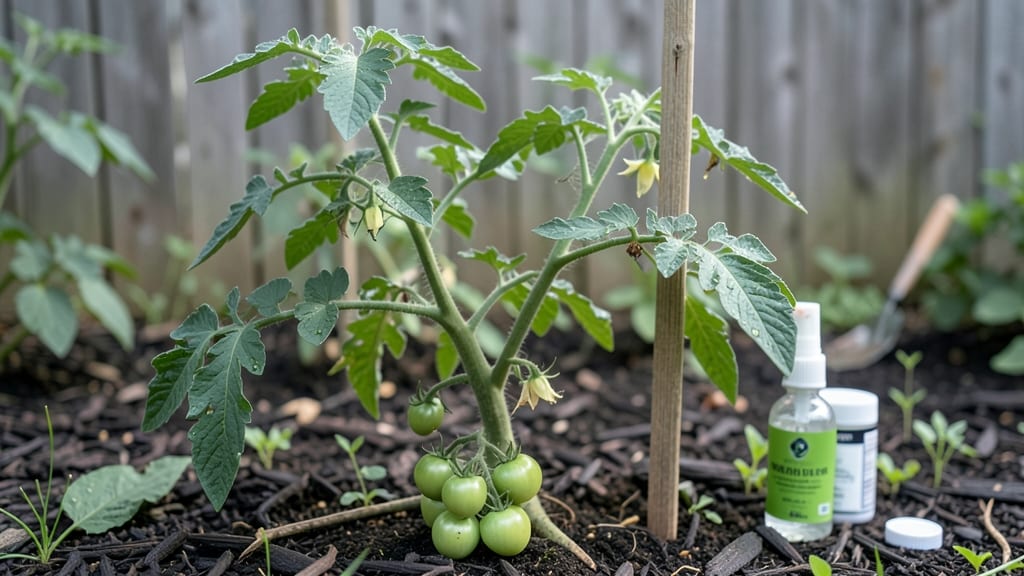
Neem oil acts as a natural deterrent by disrupting pests' life cycles and inhibiting fungal growth through its active compounds like azadirachtin. 🌱 This makes it a popular organic choice for gardeners dealing with common tomato problems such as aphids, whiteflies, or early blight.
The key lies in timing—applying it when beneficial insects are less active ensures you don't harm your garden's natural pest control allies.
For best results, I recommend using a 1% solution (1 teaspoon per quart) and reapplying every 7-14 days during active pest seasons. Always test on a small leaf first to check for sensitivity, especially with heirloom varieties that may react differently.
The oil's strong scent also serves as a repellent, giving you a two-pronged defense against garden invaders.
💡 In This Article
- How Neem Oil Works on Tomato Plant Pests and Fungi
- Neem Oil Application Guide for Tomato Plants
How neem oil works on tomato plant pests and fungi
Neem oil's effectiveness against tomato pests and fungi stems from its complex blend of natural compounds, primarily azadirachtin and nimbin. These compounds act as both insecticides and fungicides by disrupting cellular processes in pests and pathogens.
Azadirachtin, for example, interferes with insects' hormonal systems, preventing them from molting properly and ultimately halting their life cycles. This is why you'll see aphid populations decline within days of treatment—they simply can't reproduce or mature. 🔥
The oil also contains triterpenoids and salannin, which create a protective barrier on plant surfaces. This barrier makes it harder for fungal spores like those causing early blight to adhere and germinate. Studies show neem oil can reduce fungal spore germination by up to 90% when applied preventatively.
The oil's natural fungicidal properties work by altering the permeability of fungal cell membranes, essentially suffocating the pathogens at a microscopic level.
What makes neem oil particularly valuable is its multi-faceted action. Unlike synthetic pesticides that target specific pests, neem oil affects multiple life stages—larvae, adults, and even eggs.
For instance, whiteflies, which are notorious for tomato damage, are repelled by neem's strong aroma while their feeding is inhibited by the oil's compounds. This dual approach makes it far more effective than single-action sprays.
The oil also stimulates the plant's natural defenses by increasing production of phenolic compounds, which help tomatoes resist future attacks.
For fungal issues like powdery mildew, neem oil works by creating an unfavorable environment for spore germination. The oil coats the leaf surfaces, reducing humidity levels where fungal spores thrive.
This is why early morning applications are most effective—the dew on leaves provides the perfect moisture for fungal growth, and neem's protective film prevents spores from taking hold. The oil's lipophilic nature allows it to penetrate waxy leaf surfaces, providing protection that lasts 7-14 days between applications.
One often overlooked benefit is neem oil's ability to repel rather than kill pests. This behavioral disruption is crucial because it prevents pests from establishing colonies in the first place. For example, spider mites, which thrive in dry conditions, are deterred by neem's scent and the altered leaf chemistry.
This repellent effect makes neem oil particularly valuable for organic gardeners who want to maintain ecological balance in their gardens. 🌿
The oil's broad-spectrum activity also makes it ideal for integrated pest management (IPM) programs. Unlike chemical pesticides that can create resistant pest populations, neem's multiple modes of action make resistance development extremely unlikely.
This is why many organic gardeners rely on neem oil as their primary defense against tomato pests and diseases—it's not just effective, but also sustainable for long-term garden health.