
Flowers
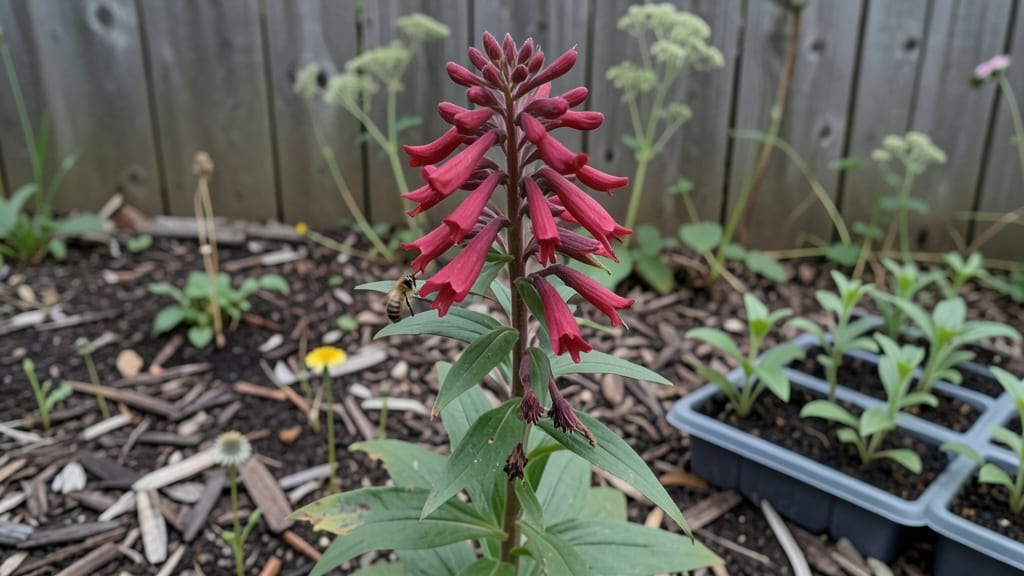
Planting cardinal flowers means welcoming a summer-long hummingbird buffet in your garden. 🌟 These striking red spikes aren't just beautiful—they're a magnet for pollinators and a showstopper in late-summer borders. The key is getting them in the ground right, because cardinal flowers (Lobelia cardinalis) demand moisture and patience to thrive.
Start with rich, moist soil that stays consistently damp but never soggy—think of them as the divas of the garden who hate dry spells.
They crave full sun to partial shade, so pick a spot where they'll get at least 4-6 hours of sunlight daily, but with afternoon shade if you live in a hot climate. Plant seeds 1/8 inch deep in early spring or divide established plants in spring or early fall.
Within weeks, you'll see those signature red spikes shooting up, and by mid-summer, hummingbirds will be hovering constantly. The blooms last for months, and the plants spread gently over time, creating naturalizing drifts that look like they belong in a wildflower meadow.
Just be patient—cardinal flowers take a year or two to reach their full glory.
Here's where most beginners go wrong: letting the soil dry out or planting them in too much shade. Keep the roots moist, and they'll reward you with vibrant blooms that outshine anything else in the garden.
The secret to their success is treating them like the high-maintenance stars they are—but in the best way possible.
📚 In This Guide
- What you need
- Instructions
- Tips and common mistakes
- Wrapping up and next steps
What you need
- ● Cardinal flower seeds or nursery starts: Seeds: 1 packet (50-100 seeds) or a handful of saved seeds from a previous plant.
- ● Nursery starts: 3-5 healthy young plants (for faster blooms).
- ● Well-draining potting soil: 1 bag (1-2 cubic feet) for containers or garden beds.
- ● Organic compost or fertilizer: 1 bag (5-10 lbs) to enrich soil with nutrients.
- ○ Mulch (optional but recommended): Shredded bark, straw, or pine needles (1-2 inches thick) to retain moisture.
- ● Garden trowel or transplanting spade: 1 medium-sized tool for digging.
- ● Watering can or hose with a gentle nozzle: For consistent moisture (avoid over-saturating!).
- ○ Gloves (optional): A pair to protect your hands from thorns or soil.
- ○ Pruning shears (optional): For trimming spent blooms or shaping the plant.
- ● Container or garden bed: Containers: 1-2 pots (12+ inches deep) with drainage holes.
- ● Garden beds: A partially shaded spot with moist, fertile soil.
- ● Sunlight: Partial shade (3-6 hours of morning sun; avoid harsh afternoon rays).
- ● Water: Consistent moisture—keep soil damp but not soggy (cardinal flowers love humidity!).
- ● pH Level: Slightly acidic to neutral soil (pH 6.0-7.0). Test your soil if unsure.
- ● Patience: Seeds take 10-14 days to germinate; nursery starts bloom in 60-90 days.
Step-by-Step instructions for planting cardinal flower
Here's how to grow bold red blooms that hummingbirds can't resist—simple steps for a showstopper garden.
🌱 Step 1: Choose the Right Location and Soil
Cardinal flower thrives in partial shade to full sun, but too much direct afternoon sun wilts the delicate blooms. I plant mine along the north or east side of my garden where they get morning light and afternoon shade. The soil must be consistently moist and well-draining—this plant hates dry roots.
Before planting, loosen the soil to a depth of 12 inches to encourage root spread. Mix in a handful of compost to improve fertility, but avoid heavy amendments that could compact the soil. Cardinal flower tolerates clay but struggles in sandy soil—amend sandy areas with a bit of peat moss if needed.
🪴 Step 2: Plant Bare-Root or Container-Grown Plants
If using bare-root plants, soak the roots in lukewarm water for 30 minutes before planting to rehydrate them. Dig a hole twice as wide as the root ball but only as deep as the top of the roots—planting too deep suffocates the crown. Gently spread the roots outward in the hole to encourage a wide root system.
For container-grown plants, remove them from the pot and tease the roots at the bottom if they're circling. Place the plant in the hole so the top of the root ball sits 1 inch below soil level. This helps prevent crown rot. Backfill with soil, pressing lightly to remove air pockets but not compacting too firmly.
💧 Step 3: Water Thoroughly and Mulch
Water the newly planted cardinal flower deeply until the soil is evenly moist to 6 inches down. You'll know it's right when water runs out the bottom of the hole but doesn't pool on the surface. This plant loves moisture but won't tolerate soggy roots, so ensure your site has good drainage.
Spread a 2-inch layer of mulch around the base, keeping it 2 inches away from the stem to prevent rot. I use shredded bark because it breaks down slowly and retains moisture. Mulching also suppresses weeds, which compete for the water cardinal flower craves.
☀️ Step 4: Provide Consistent Moisture and Light
Cardinal flower needs 1-2 inches of water per week, more in hot, dry spells. Check the soil by sticking your finger 1 inch down—if it feels dry, it's time to water. I water in the morning so the foliage dries quickly, reducing disease risk. Avoid overhead watering once blooms appear to keep them clean and vibrant.
The first year, your plants will focus on root growth rather than flowers, but you'll see tall, slender stems with lance-shaped leaves by mid-summer. In their second year, they'll reward you with 4-foot-tall spikes of brilliant red blooms that hummingbirds adore. Watch for the first flower buds in early summer—this is when the real show begins.
✂️ Step 5: Deadhead and Divide as Needed
After the first flush of blooms fades, deadhead spent flowers to encourage a second bloom cycle. Snip the flower stalks back to just above the first set of leaves with clean pruners. This prevents the plant from wasting energy on seed production and redirects it toward more flowers. I do this every 2 weeks during the blooming season.
Every 3-4 years, cardinal flower benefits from division. In early spring, dig up the clump and separate it into smaller sections, each with 3-5 stems. Replant the divisions immediately in prepared soil and water well. This rejuvenates the plant and prevents overcrowding, which reduces both bloom quantity and hummingbird visits.
Tips & tricks for perfect cardinal flower planting
Between us, cardinal flower planting is one of those rewarding gardening projects where a few small details make all the difference between a happy hummingbird magnet and a struggling plant. Here's what I've learned after watching my own cardinal flowers thrive for years.
Root Hydration Matters: That 30-minute soak for bare-root plants in Step 2 isn't just a suggestion—it's essential. I've seen plants wilt dramatically when I skipped this step, especially in hot weather. Use lukewarm water (not cold) to avoid shocking the roots, and make sure the water covers the roots completely. For container-grown plants, gently squeezing the root ball to loosen it helps prevent transplant shock too.
Soil Depth Visual: When planting in Step 2, the "1 inch below soil level" guideline can be tricky to judge. Here's my trick: Place the plant in the hole, then backfill soil until it reaches the top of the root ball. Press lightly to settle, then add just enough extra soil to cover that root ball by about the width of your pinky finger. This keeps the crown at the perfect level without burying it.
Mulch Placement Precision: The 2-inch mulch layer in Step 3 needs careful placement—too close to the stem and you risk rot, too far away and you lose moisture retention. I create a small volcano-shaped mound of mulch, keeping it 2 inches away from the stem all around. This creates a moisture reservoir while preventing stem contact. For extra protection, I always use shredded bark mulch—it breaks down slowly and maintains consistent moisture levels.
Watering Consistency: The 1-2 inches per week guideline in Step 4 is a great starting point, but I've found that morning watering makes all the difference. Water deeply in the morning so the foliage dries completely by evening, which dramatically reduces fungal diseases. In hot summers, I actually water every other morning rather than waiting for the full week—your cardinal flower will thank you with bigger, brighter blooms.
Pro Tips for Cardinal Flower Planting
- Between us, cardinal flower planting is one of those rewarding gardening projects where a few small details make all the difference between a happy hummingbird magnet and a struggling plant.
- Root Hydration Matters: That 30-minute soak for bare-root plants in Step 2 isn't just a suggestion—it's essential.
- Soil Depth Visual: When planting in Step 2, the "1 inch below soil level" guideline can be tricky to judge.
Frequently asked questions
Got questions about growing cardinal flowers? You’re not alone! Here are answers to the most common queries to help you cultivate these stunning, hummingbird-loving blooms with confidence.
When is the best time to plant cardinal flowers?
Plant Lobelia cardinalis in early spring (as soon as the soil is workable) or in late summer to early fall for a head start. Seedlings can also be started indoors 8–10 weeks before the last frost. Avoid planting in extreme heat—young plants prefer cooler temperatures (50–70°F).
How much water do cardinal flowers need?
These beauties love consistent moisture! Water deeply 2–3 times per week (daily in hot, dry spells) to keep the soil evenly damp but not soggy. Mulch around the base to retain moisture and suppress weeds. Pro tip: Yellowing leaves? You’re likely overwatering—let the top inch of soil dry slightly between waterings.
Why aren’t hummingbirds visiting my cardinal flowers?
Hummingbirds adore cardinal flowers, but a few factors might deter them:
- Timing: Blooms peak in mid-to-late summer—plant in spring for the best show!
- Location: Place flowers in sunny, sheltered spots (hummingbirds avoid windy areas).
- Pests: Aphids or spider mites can damage flowers—spray with neem oil if you spot them.
- Alternatives: Pair with bee balm or trumpet vine for extra appeal.
Can I grow cardinal flowers in containers?
Use a large container (at least 12 inches deep) with well-draining soil and place it in partial shade to full sun. Choose a pot with drainage holes and fertilize monthly with a balanced liquid fertilizer. Bonus: Container-grown plants may rebloom more reliably than those in the ground.
Are cardinal flowers perennial or annual?
In USDA Zones 3–9, cardinal flowers are perennial—they’ll return year after year if given the right care. However, they often self-seed aggressively, so you might see new plants popping up unexpectedly! In colder climates (Zone 2 or below), treat them as tender perennials and replant annually or overwinter indoors.
How do I revive a struggling cardinal flower?
If your plant looks wilting, leggy, or diseased, try these fixes:
- Prune back overgrown stems to encourage bushier growth.
- Check for pests (like slugs or Japanese beetles)—handpick or use organic sprays.
- Adjust sunlight: Too much shade? Move to a sunnier spot. Too much sun? Provide afternoon shade.
- Fertilize lightly with a low-phosphorus formula (e.g., 10-10-10) in early spring.
With a little TLC, your cardinal flower should bounce back—and reward you with vibrant red blooms all season!
Wrapping up and next steps
Planting cardinal flowers is a rewarding way to bring vibrant color and life to your garden while supporting local hummingbirds! 🌸 With the right location, soil, and care, these striking red blooms will thrive all summer long.
Whether you're a seasoned gardener or just starting out, the key is patience and consistency—soon, your yard will buzz with activity and beauty.
Ready to get started? Grab your gloves, pick a sunny spot, and plant those seeds or seedlings today! Your future hummingbird visitors will thank you.