
Pests
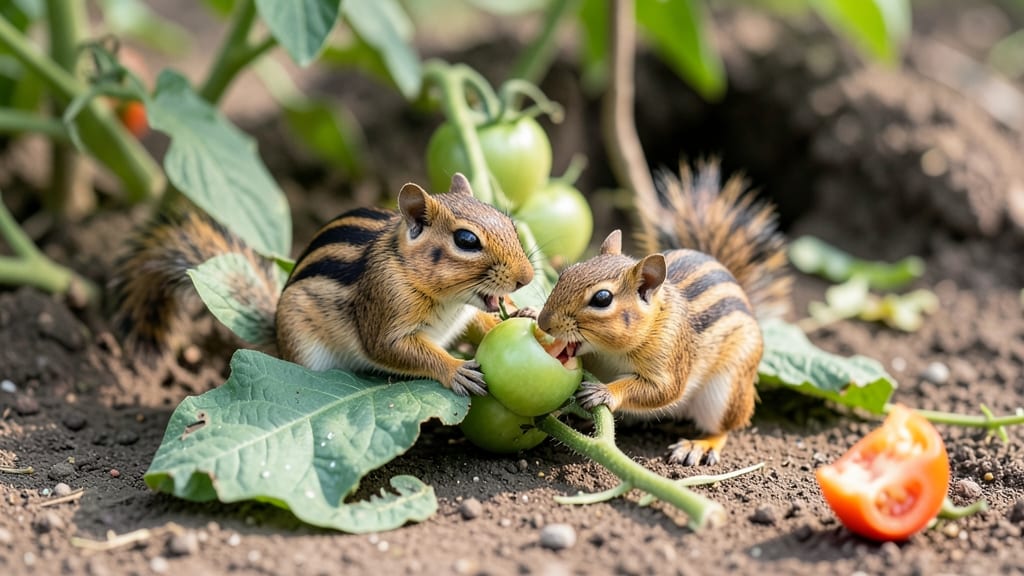
Watching chipmunks eating the tomatoes on your plants faster than you can say "harvest season" is a nightmare I’ve lived through—twice. 🌱 Those tiny striped bandits turn your lush vines into Swiss cheese overnight, leaving you scrambling for solutions that actually work.
The good news? You don’t need traps or toxic sprays to win this battle. Three simple, natural deterrents—when applied together—send chipmunks packing for good.
First, understand their behavior: chipmunks love the high-calorie seeds and tender stems of young tomato plants. They dig near the base, strip foliage, and even steal whole fruits when ripe. The key is making your garden less appealing than the neighbor’s lawn.
Start with physical barriers like hardware cloth wrapped around plant stems, or repellent sprays made from hot pepper flakes and water. Even the smell of garlic or predator urine (yes, the real stuff) keeps them away.
You’ll see results within 24-48 hours—fewer chewed leaves, no disappearing tomatoes, and chipmunks moving on to easier snacks. The best part? These methods protect your plants and the rest of your garden ecosystem.
No harm, no foul, just peace of mind while your tomatoes grow unmolested. Ready to reclaim your harvest?
Pro tip: Combine deterrents for maximum effect. For example, use hardware cloth as a base layer and spray repellents on top. Chipmunks are clever, but they’re not smart enough to outthink both tactics at once.
Once you’ve tested what works in your yard, you’ll have a foolproof system for years to come.
Why Tiny Critters Target Your Tomatoes
If you’ve ever spotted your lush tomato plants looking like a chipmunk buffet, you’re not alone. These small, striped rodents are drawn to gardens for three key reasons, all tied to their biology, survival instincts, and the irresistible appeal of your homegrown produce.
Understanding these causes is the first step to outsmarting them—and protecting your harvest.
Chipmunks aren’t picky eaters, but they do have preferences—and ripe tomatoes rank high on their menu. Why? Because tomatoes are packed with:
- Natural sugars: The sweetness of ripe tomatoes triggers their foraging instincts, making them a high-energy snack.
- Moisture content: Tomatoes have a high water percentage, which is crucial for chipmunks, especially during dry spells.
- Vitamin C and potassium: These nutrients support their immune systems and muscle function, making tomatoes a nearly perfect food source.
💡 Pro Tip: Chipmunks are most active at dawn and dusk (crepuscular behavior), so you’ll often find damage just after sunrise or before sunset.
Chipmunks evolved in forested and woodland areas where they forage for seeds, fruits, and insects. When you plant a garden, you’re essentially creating a chipmunk-friendly ecosystem with:
- Shelter: Dense tomato plants, mulch, and garden debris provide hiding spots and nesting material.
- Food abundance: Unlike the wild, your garden offers a reliable food source—no need to scavenge for scattered berries or insects.
- Water sources: Drip irrigation, dew-covered leaves, or standing water (like in saucers under pots) attract them like a desert oasis.
🔥 Key Insight: If your garden has multiple layers (e.g., tall plants + ground cover + mulch), it’s even more appealing to them.
Chipmunks are highly intelligent and use spatial memory to remember food sources. If they discover your tomato plants once, they’ll:
- Return repeatedly: They associate your garden with easy meals and may even recruit other chipmunks (yes, they “talk” via chirps!).
- Adapt to deterrents: If you try repellents, they may wait until you’re not around or find workarounds (like digging under fences).
- Expand their diet: Once they taste tomatoes, they’ll target other soft, juicy veggies (peppers, cucumbers, beans) next.
🎯 Actionable Science: Chipmunks have excellent problem-solving skills—if they solve one deterrent (like a physical barrier), they’ll move on to the next. That’s why layered defenses (combining repellents, habitat changes, and exclusion) work best.
Now that you know why chipmunks are feasting on your tomatoes, the next step is to disrupt their “all-you-can-eat” mindset. Stay tuned for three proven deterrents that work instantly—without harming your plants (or the chipmunks, if you’re feeling merciful!).
Stop Rodents From Ruining Your Garden
If chipmunks and other small rodents have turned your tomato plants into a buffet, don’t panic—there are practical, humane, and effective ways to reclaim your garden. Below, we’ve mapped out solutions based on the most common causes of the problem, so you can choose the right fix for your situation.
Prevention tips are included to keep those bushy-tailed snackers away for good!
Chipmunks are clever but not invincible. A well-placed barrier can make your garden less appealing—or impossible—to raid.
- 🍳 Build a Wire Mesh Fence
- Use hardware cloth (¼-inch mesh) or chicken wire around your tomato plants or raised beds.
- Bury the mesh 6–12 inches deep to prevent digging. Chipmunks are expert tunnelers!
- Extend the barrier 1–2 feet above ground to stop them from jumping in.
- Pro Tip: 💡 Secure the mesh tightly—even small gaps can let them squeeze through.
- 👨🍳 Use Individual Plant Protectors
- Wrap wire mesh cylinders (like those for small trees) around young tomato plants.
- Alternatively, collapsible wire tomato cages can double as chipmunk deterrents if buried slightly.
- Pro Tip: ✨ For raised beds, line the bottom with metal flashing—it’s slick and unappealing for digging.
If barriers aren’t an option, repellents can trick chipmunks into moving on. The key is to use strong scents or tastes they dislike.
- 🔪 Spicy or Pungent Sprays
- Mix hot pepper flakes, garlic, or cayenne pepper with water and a drop of dish soap. Spray around plants (avoid leaves if you plan to eat the tomatoes).
- Commercial repellents like Bobcat’s or Hot Pepper Wax work too—just reapply after rain.
- Pro Tip: 🌡️ Reapply every 5–7 days or after heavy watering.
- 🎯 Natural Deterrents
- Predator urine (fox or coyote) or castor oil-based repellents (like Bonide Repels) confuse their scent trails.
- Plant strong-smelling herbs like mint, basil, or rosemary near tomatoes—they mask the scent of ripe fruit.
- Pro Tip: ⏰ Move repellent-sprayed plants to a new spot every few days to avoid chipmunks getting used to the smell.
If chipmunks are already nesting or heavily infesting your garden, humane trapping may be the fastest solution.
- 🔪 Live Traps for Relocation
- Use small animal traps (like Havahart) baited with peanut butter, sunflower seeds, or apple slices.
- Check traps daily—release chipmunks at least 2–3 miles away in a wooded area (never near someone else’s garden!).
- Pro Tip: 💡 Place traps along runways (look for tiny trenches or chewed plants) for better success.
- 🎯 One-Way Exclusion Devices
- For raised beds, install one-way doors (like those for mice) to let chipmunks escape but not re-enter.
- Pro Tip: ✨ Combine with physical barriers afterward to seal the deal.
Once you’ve solved the immediate problem, take steps to keep chipmunks from returning.
- 💪 Remove Attractants
- Pick ripe tomatoes promptly—overripe or fallen fruit is a magnet.
- Clear leaf litter and debris where chipmunks might nest.
- Store pet food and birdseed in metal containers (not plastic) to avoid spills.
- 🥗 Garden Design Tricks
- Interplant tomatoes with repellent crops like marigolds, nasturtiums, or onions.
- Mulch heavily with gravel or sharp-edged materials (like pine cones) to deter digging.
- Pro Tip: 🌱 Avoid planting near fences or woodpiles—chipmunks love these hiding spots!
With these strategies, your tomato plants will have a fighting chance. Start with one or two methods, monitor what works, and adjust as needed. Before you know it, you’ll be harvesting juicy tomatoes instead of watching them disappear overnight! 🍅🚫🐿️
Frequently asked questions
What are the first signs that chipmunks are eating my tomato plants?
Look for chewed leaves, especially near the stems or fruit, and tiny trenches dug around the base of plants. You might also spot scattered seeds or half-eaten tomatoes on the ground. Chipmunks often strike at dawn or dusk, so check for fresh damage during these times.
Will pepper spray or hot sauce really keep chipmunks away?
Yes! A mix of hot pepper flakes, garlic, and water creates a natural repellent chipmunks dislike. Spray it around the base of plants (not on leaves if you plan to eat the tomatoes) and reapply every 5-7 days or after rain. For extra effectiveness, combine it with physical barriers like hardware cloth.
Can I use traps to catch chipmunks without harming them?
Use live traps baited with peanut butter or sunflower seeds, then release them 2-3 miles away in a wooded area. Check traps daily and avoid plastic containers—chipmunks can chew through them. For raised beds, one-way exclusion doors can let them escape while blocking re-entry.
Are there plants that naturally repel chipmunks from tomato gardens?
Yes! Plant marigolds, nasturtiums, or rosemary near your tomatoes—their strong scents mask the tomato aroma chipmunks love. Mint and basil also work well. Bonus: These plants attract beneficial insects while keeping pests away. Just be aware that mint can spread aggressively in gardens.
How deep should I bury hardware cloth to stop chipmunks from digging?
Bury it 6-12 inches deep around your tomato plants. Chipmunks are expert diggers and can tunnel under shallow barriers. For extra protection, extend the mesh 1-2 feet above ground to prevent jumping. Use ¼-inch hardware cloth—it’s strong enough to deter them while allowing water and air to reach roots.