
Companion Plants
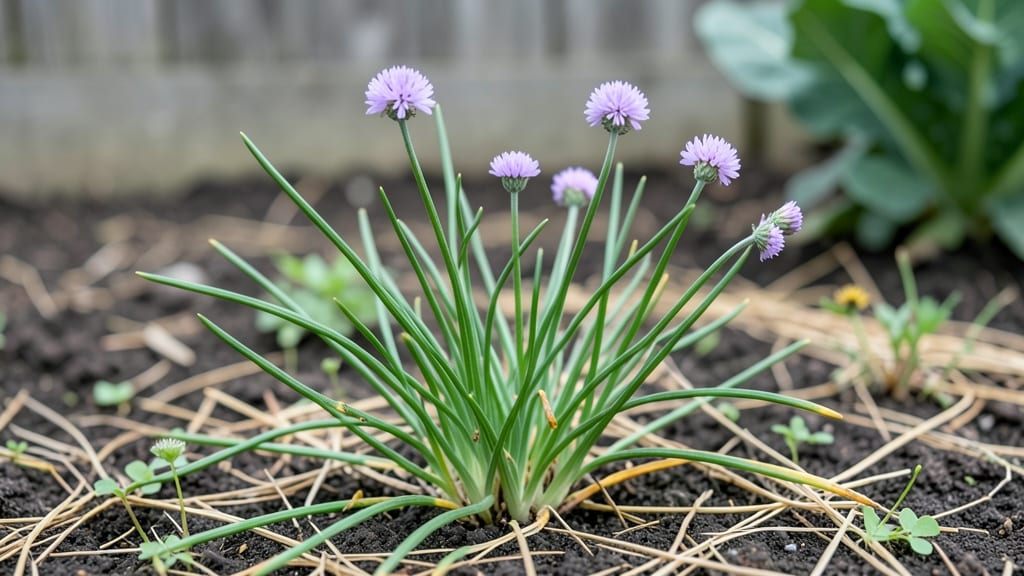
Growing chive family plants like chives, garlic, and onions turns your garden into a pest-free fortress. 🌱 These hardy perennials thrive in poor soil, repel aphids, and come back year after year. I’ve grown them for decades, and they’ve never failed me—even in my shadiest corner.
The secret lies in their low-maintenance nature: they need full sun to partial shade, well-draining soil, and minimal fuss. Plant sets in early spring or fall, space them 4–6 inches apart, and watch them multiply. No fancy fertilizers here—just compost at planting time keeps them happy.
Harvest leaves or scallions as needed, and the plants keep producing. By summer, you’ll have lush foliage that deters pests naturally while adding flavor to every meal. The best part? They’re perennials—once established, they’ll return stronger each year.
Whether you’re growing chives for cooking, garlic for soil health, or ornamental alliums for drama, these plants adapt to any garden. Let’s get them thriving in your beds!
Root Causes of Pest Problems
Understanding why pests target allium family plants (like chives, garlic, onions, and leeks) helps you take proactive steps to protect them. These plants are prized for their pest-repelling abilities, but they’re also vulnerable to specific threats due to their biology, growth habits, and the chemical signals they emit.
Let’s break down the key reasons pests zero in on these perennials—and how their natural defenses sometimes backfire.
Alliums release volatile organic compounds (VOCs), like sulfur-containing chemicals, which repel many pests but also act as a dinner bell for others. When planted in dense clusters or allowed to spread unchecked, these plants become a feast for bulb-eating critters like:
- Onion flies – Their larvae burrow into bulbs, feeding on the tender inner layers.
- Rodents (voles, mice) – The strong scent of alliums draws them in, especially in winter when food is scarce.
- Deer & rabbits – While they avoid most alliums, overcrowded patches can overwhelm their natural aversion.
Why it happens: Alliums are chemical communicators. Their strong aroma signals to pests that food is nearby, but it also signals to beneficial insects (like pollinators) that the plant is thriving—making it a prime target for herbivores.
Alliums thrive in moist, well-drained soil, but this same environment creates the perfect breeding ground for:
- Fungal diseases (e.g., white rot, downy mildew) – Fungi like Sclerotium cepivorum (white rot) survive in soil for years, waiting to infect stressed plants.
- Nematodes – Microscopic worms that burrow into roots, weakening the plant and making it susceptible to other pests.
Why it happens: Alliums have shallow, fibrous root systems, which don’t compete well with aggressive fungi or nematodes. When soil stays too wet (or is poorly drained), these pathogens multiply rapidly, exploiting the plant’s vulnerability.
Alliums are hardy, but stress from poor growing conditions makes them sitting ducks for pests. Common stressors include:
| Stressor | Resulting Pest Risk | How to Fix It |
|---|---|---|
| Nutrient deficiency (e.g., low nitrogen) | Slower growth = easier for slugs/snails to attack leaves. | Side-dress with compost or use fish emulsion. |
| Overcrowding | Reduced airflow = fungal infections (rust, mold). | Thin plants to 4–6 inches apart. |
| Drought stress | Bulbs become dry and brittle, attracting rodents. | Mulch heavily to retain moisture. |
| Improper harvesting | Damaged roots invite nematodes and rot. | Harvest carefully; avoid cutting too close to the base. |
Why it happens: Pests target weakened hosts. When alliums are struggling, their natural pest-repelling compounds weaken, and they lose their resilience against invaders.
While alliums are natural pest deterrents, their effectiveness depends on proper placement. Planting them incorrectly can attract pests instead of repelling them:
- Isolated patches – Without nearby companions (like carrots or tomatoes), their scent disperses, losing its deterrent power.
- Poorly timed succession planting – If you remove spent alliums too late, pests may linger, waiting for the next crop.
- Monoculture mistakes – Planting only alliums in a bed can create a pest magnet (e.g., onion flies lay eggs in bulk).
Why it happens: Alliums work best in diverse ecosystems. Their pest-repelling chemicals are most effective when balanced with other plants that disrupt pest life cycles (e.g., marigolds, basil, or dill).
Alliums evolved in temperate climates, where their natural pest pressures are balanced. But in humid, warm, or extreme climates, their defenses falter:
- Too much heat → Bulbs soften, attracting maggots and fungus gnats.
- High humidity → Fungal spores thrive, leading to leaf blight.
- Frost damage → Weakened plants can’t fend off rodents in winter.
Why it happens: Alliums rely on temperature-sensitive chemical responses. In unsuitable climates, their natural pest-repelling compounds become less effective, and they become more attractive to opportunistic feeders.
Alliums have multi-year growth cycles, which pests exploit at specific stages:
- Seedling stage → Vulnerable to cutworms and slugs (soft new growth is easy to chew).
- Bulb formation → Onion maggots and thrips target developing bulbs.
- Dormancy (winter) → Rodents dig for stored energy in bulbs.
Why it happens: Pests are seasonally opportunistic. Alliums’ slow growth means they’re defenseless during critical transitions (e.g., from leaf to bulb).
Pests don’t attack alliums randomly—they’re drawn by biological cues, environmental stress, and life cycle weaknesses. By understanding these triggers, you can fortify your plants with targeted solutions (like companion planting, soil amendments, or strategic harvesting).
The good news? Once you address these root causes, your allium family plants will regain their natural pest-repelling superpowers—and thrive for years to come.
Quick Fixes for Common Allium Family Woes
Growing chives, garlic, onions, and their relatives is rewarding, but pests, diseases, and environmental stressors can turn your garden into a battleground. The good news? Most issues have simple, practical solutions—no fancy tools or chemistry required.
Below, we’ll match the most common problems with easy fixes, plus prevention tips to keep your alliums thriving season after season.
🔥 Onion Flies & Maggots
Cause: These sneaky pests lay eggs near the soil, and their larvae burrow into bulbs, causing stunted growth or rot. Fix:
- Handpick eggs (tiny white specks near the base) in early spring.
- Use row covers (lightweight fabric) to block adult flies from laying eggs.
- Plant trap crops like shallots or garlic chives—they attract flies away from your main crop.
- Drench soil with neem oil (1 tsp per gallon of water) every 2 weeks to deter larvae.
💡 Prevention Tip: Rotate crops yearly—never plant alliums in the same spot for 3+ years to break the pest cycle.
🐞 Aphids & Spider Mites
Cause: These sap-suckers cluster on leaves, causing curling, yellowing, or sticky residue (aphid honeydew). Fix:
- Blast them off with a strong stream of water (early morning works best).
- Introduce beneficial insects: Ladybugs and lacewings love eating aphids—buy them online or attract them with dill or fennel nearby.
- Spray with soapy water (1 tsp mild dish soap + 1 quart water) for heavy infestations.
🌡️ Prevention Tip: Keep plants well-watered—drought stress makes them more vulnerable.
🐇 Rodent Damage (Rabbits, Deer, Squirrels)
Cause: Alliums smell and taste like onions/garlic, making them a buffet for critters who dig up bulbs or chew leaves. Fix:
- Fence them out with chicken wire (6–12 inches deep) around beds.
- Scatter hot pepper flakes or crushed red pepper near plants (reapply after rain).
- Plant repellent companions: Russian sage, lavender, or catnip deter rabbits and deer.
- Use humane traps if squirrels are the culprits—relocate them far from your garden.
✨ Prevention Tip: Harvest before bulbs mature (when leaves turn brown) to reduce temptation for diggers.
🍄 White Rot & Bulb Rot
Cause: Overwatered, crowded alliums invite fungal spores that turn bulbs mushy and foul-smelling. Fix:
- Immediately remove infected plants and sterilize tools with rubbing alcohol.
- Improve drainage: Amend soil with compost + perlite (50/50 mix) to prevent soggy roots.
- Water at the base only (avoid wetting leaves) and space plants 4–6 inches apart for airflow.
🎯 Prevention Tip: Plant resistant varieties like potato onions or Egyptian walking onions—they tolerate moisture better.
🍄 Powdery Mildew Cause: White, powdery spots on leaves?
Humidity + poor airflow = fungal party. Fix: - Prune infected leaves and dispose of them (don’t compost!). - Spray with baking soda mix (1 tsp baking soda + 1 quart water + a drop of dish soap) weekly. - Water in the morning so foliage dries quickly.
💡 Prevention Tip: Mulch with straw (not wood chips) to keep soil moist without trapping humidity.
🔥 Stunted or Yellowing Leaves
Cause: Poor soil, over/under-watering, or nutrient deficiencies (especially nitrogen or potassium). Fix:
- Test your soil (DIY kits from garden centers work!) and amend with:
- Compost (for organic matter)
- Banana peel tea (for potassium—steep peels in water for 2 days)
- Fish emulsion (for nitrogen—follow package rates)
- Adjust watering: Alliums hate wet feet but also drought stress.
Aim for 1–1.5 inches of water per week.
👨🍳 Pro Tip: Side-dress with well-rotted manure in early spring for a nutrient boost.
🌿 Bolting (Premature Flowering)
Cause: Heat stress, drought, or overcrowding triggers alliums to bolt (send up flowers) instead of storing energy in bulbs. Fix:
- Provide afternoon shade in hot climates with floating row covers or shade cloth (30–50%).
- Water deeply 2–3 times per week during dry spells.
- Thin plants so they’re 4–6 inches apart for better bulb development.
⏰ Prevention Tip: Plant slow-to-bolt varieties like Catalonian onions or silver chives for heat tolerance.
Keep your allium family healthy and happy with these low-effort habits:
- Spring: Fertilize with balanced 5-5-5 + mulch with straw.
- Summer: Monitor for pests weekly; water deeply but less frequently.
- Fall: Harvest before hard frosts (or leave in ground for winter greens).
- Winter: Add extra mulch (3–4 inches) to protect bulbs in cold climates.
Final Thought: Most allium problems are preventable with good habits—rotation, companions, and smart watering. Once you master these fixes, your garden will be a pest-repelling powerhouse (and your kitchen will thank you for the fresh flavors!).
🔹 Need a deeper dive? Check out our [Allium Planting Calendar] for seasonal care tips!
Frequently asked questions about allium family plants
Which allium plants are best for beginners?
Start with chives or green onions—they’re the easiest alliums to grow. Both are hardy perennials that regrow year after year with minimal care. Chives thrive in containers or garden beds, while green onions grow quickly and can be harvested like scallions. Their low-maintenance nature makes them perfect for first-time gardeners.
Can I grow alliums in containers?
Most alliums—including chives, garlic, and shallots—thrive in containers as long as the pots are at least 6 inches deep and have drainage holes. Use well-draining potting mix and place them in full sun to partial shade. For larger bulbs like onions, choose wider pots (12+ inches) to accommodate their spread.
How do I prevent alliums from bolting too early?
Bolting (premature flowering) happens when alliums experience stress from heat, drought, or overcrowding. To prevent it, keep soil consistently moist (but not soggy), provide afternoon shade in hot climates, and thin plants to 4–6 inches apart. Choose heat-tolerant varieties like Catalonian onions or silver chives for better success in warm regions.
Are all alliums edible?
Most are, but not all! While chives, garlic, onions, leeks, and shallots are safe to eat, some ornamental alliums (like Allium giganteum) are purely decorative and toxic if ingested. Always check before harvesting—when in doubt, stick to well-known culinary varieties.
What’s the best way to store harvested alliums?
For bulbs (onions, garlic, shallots), cure them in a dry, dark place with good airflow for 2–3 weeks before storing. Then, keep them in a cool (40–50°F), dry spot. For greens (chives, green onions), wrap them loosely in a damp paper towel and store in the fridge for up to 2 weeks.