
Diseases
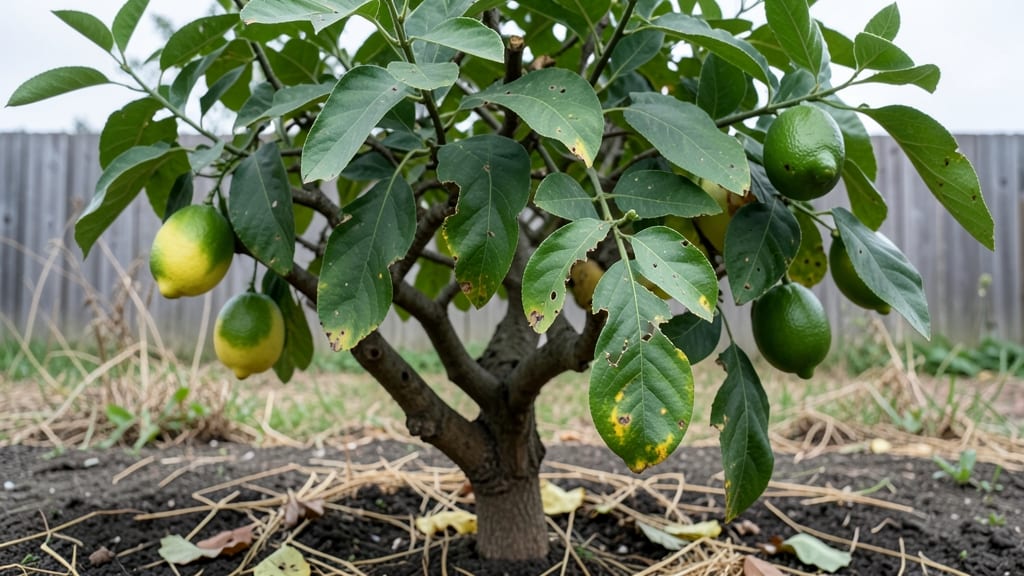
Citrus plant diseases can turn your lemon tree into a sad, yellowing shadow if you don’t catch them early. 🌿 I’ve watched citrus canker and greening disease ruin trees in just weeks—until I learned the telltale signs of crinkled leaves, sticky sap, or sudden fruit drop.
The key to saving your tree isn’t complicated: spot the symptoms fast, act immediately, and skip the guesswork.
Most citrus diseases start with a single infected leaf or branch, but they spread like wildfire in humid climates. Citrus canker thrives in wet conditions, while greening disease sneaks in through psyllids—tiny pests you might miss.
Prevention is easier than treatment: prune regularly, avoid overhead watering, and inspect new plants before bringing them home. Even a 10-minute check every two weeks can stop a full-blown outbreak.
When you do find trouble, organic sprays like copper fungicide or neem oil can work wonders on early-stage infections. For stubborn cases, targeted pruning removes the infected parts before the disease spreads further.
The goal isn’t perfection—it’s keeping your tree healthy enough to bounce back. With the right approach, you’ll salvage your harvest and keep your citrus tree thriving for years.
This works whether you’re growing a single Meyer lemon in a pot or a full grove in Florida’s heat. The same principles apply—just adjust for your local pests and humidity levels. Let’s get your tree back to producing those juicy, fragrant fruits without the heartbreak of disease.
Root Causes Behind Citrus Ailments
Citrus trees are resilient, but they’re not invincible. When diseases strike, they usually do so because of a mix of environmental stress, microbial invaders, or poor growing conditions.
Understanding why these issues arise is the first step to prevention—and catching problems before they spread. Let’s break down the most common culprits behind citrus plant diseases.
Fungi thrive in warm, humid, and stagnant moisture, making them the #1 culprit for citrus diseases like citrus greening (HLB), anthracnose, and root rot. Here’s why it happens:
- Poor Airflow: Dense foliage or overcrowded trees trap humidity, creating the perfect fungal breeding ground. Fungal spores land on leaves and fruit, germinating in as little as 24 hours if conditions are right.
- Overhead Watering: Splashing water onto leaves (instead of soil) spreads spores like wildfire. Wet leaves stay damp for days, giving fungi time to colonize.
- Slow-Draining Soil: Compacted or clay-heavy soil holds excess water at the roots, suffocating them and inviting Phytophthora (a water-loving fungus). Roots rot, and the tree weakens, making it susceptible to secondary infections.
- Seasonal Humidity Spikes: Citrus trees in tropical or subtropical climates face year-round fungal pressure, but spring rains after dry winters are especially risky—dormant spores wake up hungry.
💡 Pro Tip: Space trees 8–12 feet apart for airflow, water at the base (not overhead), and amend soil with perlite or sand to improve drainage. A copper fungicide spray (applied preventatively) can disrupt fungal spores before they take hold.
Not all citrus diseases are caused by fungi—some are hitchhikers carried by insects. The most notorious offenders:
| Pest | Disease Spread | Why It’s Dangerous |
|---|---|---|
| Asian Citrus Psyllid (ACP) | Huanglongbing (HLB, or citrus greening) | Psyllids feed on new growth, injecting Candidatus Liberibacter bacteria into the plant. Once infected, the tree never recovers—HLB is fatal. |
| Citrus Leafminer | Secondary fungal/bacterial infections | Larvae tunnel through leaves, creating wounds that trap moisture. This opens doors for Alternaria or Erwinia bacteria. |
| Aphids & Scale Insects | Citrus Tristeza Virus (CTV) | These sap-suckers excrete honeydew, a sticky residue that fosters sooty mold—a black fungal film that blocks sunlight and stresses the tree. |
🔥 Key Insight: Psyllids are the most destructive because HLB has no cure. Early detection is critical—look for yellow shoots, blotchy leaves, or stunted growth. Use neem oil or insecticidal soap to control psyllids, and remove infected trees immediately to prevent spread.
Citrus trees are heavy feeders, and when their diet is off, they become stressed and disease-prone. Common imbalances include:
- Zinc or Iron Deficiency: Yellowing between leaf veins (a sign of chlorosis) weakens the tree’s immune response. Fungi like Phytophthora exploit this vulnerability.
- High Soil pH (>7.0): Citrus prefers slightly acidic soil (pH 6.0–7.0). Alkaline conditions lock out micronutrients (like manganese and iron), making the tree more susceptible to melanose (a fungal stem canker).
- Over-Fertilization with Nitrogen: Too much nitrogen = soft, lush growth that’s easier for pests to infest. Plus, excess salts in soil can burn roots, inviting root rot.
🌡️ Soil Test First: Before treating symptoms, test your soil’s pH and nutrient levels. Amend with sulfur (to lower pH), chelated iron/zinc, or balanced citrus fertilizer (6-6-6 or 8-3-9 ratio). Avoid synthetic fertilizers in summer heat—they can stress roots.
Citrus trees are adapted to mild climates, but sudden shifts—like freezing temps, scorching heat, or heavy storms—can trigger disease outbreaks:
- Cold Snaps (<32°F): Frost cracks bark, creating entry points for canker fungi (e.g., Diaporthe). Weakened branches also fall prey to bacterial blast.
- Heat Stress (>95°F): Prolonged heat causes sunburn on fruit and leaves, which then crack—inviting anthracnose (a fungal fruit rot).
- Hail or Wind Damage: Torn leaves and stems expose fresh tissue to bacterial infections. High winds also spread fungal spores across orchards rapidly.
✨ Prevention Strategy:
- Use anti-transpirant sprays in summer to reduce water loss.
- Mulch heavily in winter to insulate roots from freezing.
- Prune after frost risk passes to avoid opening wounds.
Fixing Citrus Plant Problems Step-by-Step
Citrus trees are resilient, but when diseases strike, quick action can save your harvest—and your plant! Below are practical, step-by-step solutions tailored to common citrus issues, along with prevention tips to keep your grove thriving.
Whether it’s fungal infections, pests, or nutrient deficiencies, these fixes are designed to be easy to implement with tools you likely already have.
🔥 Remove Infected Areas Immediately
- How: Use sterilized pruning shears (wipe with rubbing alcohol) to cut out all infected branches, leaves, or bark—at least ½ inch below the affected spot.
- Why: Fungi spread fast!
Removing infected parts prevents contamination of healthy tissue. - Pro Tip: 💡 Bag and dispose of clippings in the trash (not compost)—fungi can survive in soil.
🍳 Apply Fungicide (Organic or Chemical)
- For organic growers: Use a copper-based fungicide (like copper sulfate) or neem oil spray (1 tsp neem oil + 1 tsp mild soap per quart of water).
Spray early morning or evening to avoid leaf burn. - For severe cases: Systemic fungicides (e.g., chlorothalonil or propiconazole) work faster but follow label instructions for safety. - When: Apply every 7–14 days during wet seasons or after pruning.
👨🍳 Improve Airflow & Drainage
- Thin out dense foliage to reduce humidity (fungi love damp conditions).
- Raise garden beds or add gravel around roots to prevent waterlogging.
- Mulch properly: Use straw or wood chips (not thick layers) to keep roots cool but allow airflow.
🌡️ Prevention Checklist
✅ Water at the base (avoid wetting leaves). ✅ Space plants 6–10 feet apart for airflow. ✅ Rotate fungicides if using chemicals to avoid resistance.
🔪 Blast Off Pests with Soap or Oil
- Homemade remedy: Mix 1 tbsp horticultural oil + 1 tsp dish soap in a gallon of water.
Spray directly on pests (avoid flowers if bees are around). - For scale insects: Scrape off white/crusty bumps with a soft brush dipped in rubbing alcohol. - When: Apply early morning and repeat every 5–7 days until pests vanish.
🐞 Introduce Beneficial Insects
- Ladybugs, lacewings, or parasitic wasps devour aphids and mites. Buy them online or attract them with dill or fennel plants.
- Pro Tip: 🌿 Plant marigolds nearby—they repel pests naturally!
🍎 Quarantine New Plants
- Inspect every new citrus tree for pests before bringing it home.
- Isolate for 2 weeks in a separate area to monitor for hitchhikers.
⏰ Timing Matters
- Target young pests: Treat before they mature (e.g., aphids turn into flies).
- Avoid spraying when bees are active (early morning or late evening is safest).
📊 Soil Test First (Know the Problem!)
- Yellow lower leaves? → Nitrogen deficiency (fix with blood meal or fish emulsion).
- Purple stems/leaves? → Phosphorus or potassium lack (use bone meal or wood ash).
- Slow growth? → Iron or zinc deficiency (spray chelated iron or use Epsom salt for magnesium).
🥗 Feed Smartly
- For container citrus: Use a balanced fertilizer (6-6-6 or 8-3-9) every 4–6 weeks in spring/summer.
- For in-ground trees: Apply slow-release granules in early spring.
- Pro Tip: 💪 Over-fertilizing burns roots! Follow package rates.
🌱 Boost Microbes with Compost
- Mix in 2–3 inches of compost around the root zone to improve soil health.
- Avoid fresh manure—it can burn roots.
🎯 Prevention Tips
✨ Mulch with compost annually to replenish nutrients. ✨ Water deeply but infrequently to encourage deep root growth. ✨ Monitor pH (citrus prefers 6.0–7.0—test kits are cheap!).
If your citrus tree is suddenly wilting, oozing sap, or dropping fruit:
- Stop watering (overwatering worsens root rot).
- Check for borers (peel bark—look for tunnels or sawdust-like frass).
- Drill holes (if borers are present) and inject bacteria-based pesticides (like Bacillus thuringiensis).
- Call a local extension office for severe cases—they may recommend professional treatment.
Remember: 🌟 Prevention is the best cure! Regular inspections, proper spacing, and good hygiene keep citrus diseases at bay. With these fixes, your trees will bounce back—and you’ll be back to harvesting juicy oranges in no time.
Frequently asked questions
What are the first signs my citrus tree might have a disease?
Watch for yellowing leaves, crinkled or puckered leaf surfaces, sticky residue (honeydew), or dark spots on foliage and fruit. These often signal fungal infections like canker or bacterial issues. Check the undersides of leaves too—pests like psyllids or mites often hide there first.
Can I save a citrus tree already infected with greening disease?
No—once a citrus tree contracts Huanglongbing (HLB), there’s no cure. The bacterial infection spreads systemically, and infected trees must be removed immediately to prevent spreading to healthy plants. Quarantine nearby trees and monitor them closely for symptoms.
How often should I spray fungicide on my citrus tree?
Apply fungicide every 7–14 days during high-risk seasons (spring/fall) or after pruning. For organic options, use copper-based sprays or neem oil—always spray in the early morning or evening to avoid leaf burn. Rotate products to prevent resistance.
Why does my citrus tree’s fruit drop prematurely?
Premature fruit drop often signals nutrient deficiencies, pests, or disease stress. Check for yellowing leaves (iron/zinc deficiency), psyllids, or fungal spots. Improve soil drainage, adjust pH (ideal: 6.0–7.0), and avoid overwatering—roots need oxygen to support fruit.
Are there any natural ways to prevent citrus canker?
Yes! Prune regularly to improve airflow, avoid overhead watering, and use baking soda spray (1 tsp baking soda + 1 quart water + a drop of soap) as a preventative. Copper fungicide sprays also disrupt fungal spores—apply before wet seasons begin.