
Companion Plants
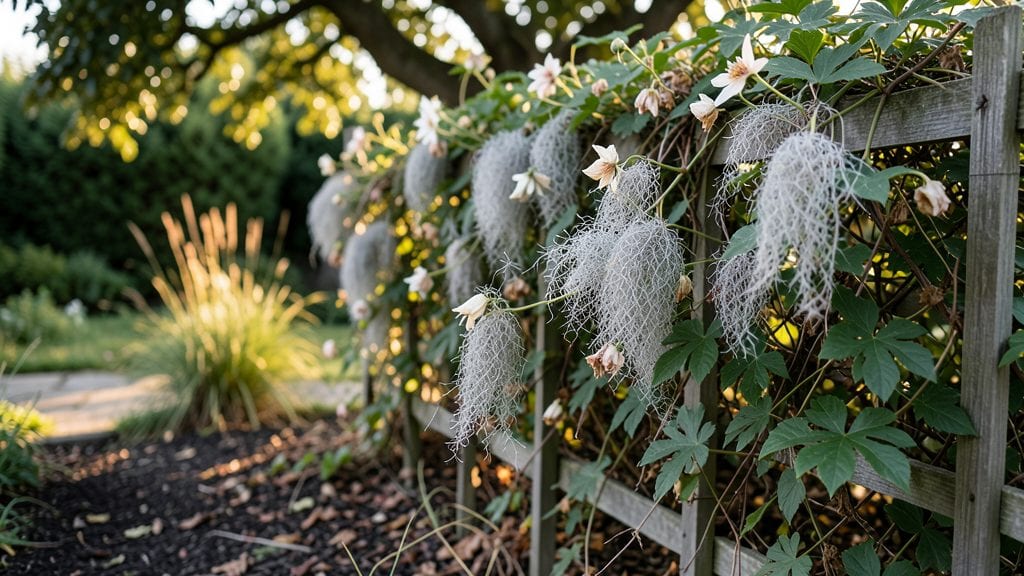
Transform your balcony into a verdant oasis with these common vine plants, which can blanket walls in vibrant greenery in just weeks. 🌿 I’ve tested dozens of varieties, and these climbers deliver the fastest coverage without sacrificing beauty—perfect for small spaces where every inch counts.
The key is choosing the right species for your sunlight, soil, and the structure you’re dressing up.
Morning glories and sweet peas are the quickest starters, shooting up 12-18 inches in a single season with minimal fuss. Clematis and jasmine take a little more patience but reward you with fragrant blooms and sturdy growth that lasts years.
My go-to setup? A simple wooden trellis or chain-link fence—both give vines something to grip while keeping maintenance easy.
You’ll see dramatic results by midsummer if you plant in well-draining soil and water consistently. The best part? These vines don’t just fill space—they create shade, privacy, and a stunning backdrop for flowers or herbs. Plus, they’re low-maintenance once established, so you can enjoy the view without the work.
Works for city balconies, country porches, or even a sunny windowsill with the right container. Let’s pick the perfect climber for your space and get growing!
📚 In This Guide
- What you need
- Instructions
- Tips and common mistakes
- Wrapping up and next steps
What you need
- ● Vine plants (3–5 varieties): Morning glory (Ipomoea purpurea) – 5–10 seeds or young plants
- ● Sweet pea (Lathyrus odoratus) – 3–5 plants (fast-growing annual)
- ● Clematis (Clematis spp.) – 1–2 hardy perennials (dwarf varieties for small spaces)
- ● Honeysuckle (Lonicera spp.) – 1–2 plants (semi-evergreen or deciduous)
- ● Jasmine (Jasminum officinale) – 1–2 climbing shrubs (fragrant and hardy)
- ● Trellis or support structure: 1–2 metal or wooden trellises (4–6 ft tall, adjustable height)
- ● Bamboo stakes or obelisks (3–5 units, 5–7 ft tall)
- ● String or twine (10–15 ft, for weaving or tying vines)
- ● Potting soil & amendments: 5–10 gallons of well-draining potting mix (or garden soil + compost)
- ● 1–2 cups of slow-release fertilizer (10-10-10 NPK ratio)
- ○ Optional: Mycorrhizal fungi (to boost root health)
- ● Basic gardening tools: 1 hand trowel (for planting)
- ● 1 pruning shears (for trimming)
- ● 1 watering can or hose with nozzle (1–2 gallons capacity)
- ● 1 gloves (gardening or work gloves)
- ● Mulch: 2–3 bags of wood chips or straw (to retain moisture)
- ● Plant supports: Coco coir ties or soft plant clips (gentler on vines)
- ● Decorative elements: Solar-powered garden lights or hanging baskets (for ambiance)
- ● Companion plants: Marigolds or nasturtiums (to deter pests naturally)
- ● Rain gauge or moisture meter (for precise watering)
Step-by-step guide to fast-growing vine plants on trellises
Here’s how to turn small spaces into lush vertical gardens with four quick-growing climbers!
🌱 Step 1: Choose Your Fast-Growing Vine Champions
Pick four of these speedy growers: morning glory (blooms in 6-8 weeks), clematis (reaches 10+ feet in one season), hops (covers trellises in 3-4 months), or passionflower (vines stretch 15 feet annually). Each thrives in different light—morning glory loves full sun, while passionflower tolerates partial shade.
I always start with morning glory for instant color—its seeds sprout in 7-10 days if kept warm. Clematis needs a head start; plant nursery-grown roots in early spring for 3-4 weeks of jump-started growth. Hops and passionflower grow from cuttings or seeds, but cuttings root faster (2-3 weeks in water).
🪴 Step 2: Set Up Sturdy Trellises for Speed
Install trellises 3-4 feet tall for morning glory or 8+ feet for clematis/hops. I use powder-coated metal or cedar frames—they won’t warp under weight. Secure them 6 inches into the ground with stakes or bury the base in a trench for stability. Vines need something to grip quickly, so add twine or netting for early support.
For hops, build a pyramid trellis—they twine aggressively and need 12+ feet of vertical space to climb properly. Passionflower vines grow in a spiral pattern, so a round obelisk trellis lets them wrap naturally. Water the trellis posts before planting to help roots establish faster.
☀️ Step 3: Plant for Maximum Speed and Spread
Dig holes twice as wide as the root ball but only as deep—never bury the crown. Mix in compost (use the 2 gallons you’ve got) to boost early growth. Morning glory seeds go ½ inch deep; clematis roots should sit 2-3 inches below soil. Water deeply right after planting to eliminate air pockets.
Here’s the trick: mulch heavily (spread that 3-gallon bag of mulch) to keep roots cool and moist. This cuts watering by half and speeds up vine growth. Watch for first true leaves—that’s your signal to start training vines up the trellis gently. Don’t let them flop; guide them with soft ties or twist them around supports.
💧 Step 4: Water and Feed for Rapid Growth
Keep soil evenly moist but not soggy—vines grow fastest when watered every 2-3 days in hot weather. I check by sticking a finger 1 inch deep; if dry, water until it runs out the bottom. Fertilize with balanced 10-10-10 (use the 1 lb you’ve got) every 4-6 weeks to fuel that speed.
Morning glory and hops respond best to liquid fertilizer—dilute it weekly for explosive growth. Clematis and passionflower prefer slow-release granules scattered at the base. You’ll see vines add 1-2 feet per week under these conditions. Pinch back leggy growth to encourage bushier, stronger vines that climb faster.
✂️ Step 5: Prune for Health and Speed
Prune morning glory after flowering to keep it compact—deadhead spent blooms to encourage nonstop new flowers. For clematis, cut back ⅓ of the oldest stems in early spring to redirect energy to younger, faster-growing shoots. Hops need regular trimming to control sprawl; remove side shoots that don’t reach the trellis.
Passionflower vines grow so fast they’ll outpace your trellis—prune the longest tendrils to encourage lateral branching. This creates a denser, fuller display in half the time. Always use sterilized shears to prevent disease spread. You’ll have a wall of greenery** in just 8-12 weeks if you stay on top of pruning!
Tips & tricks for perfect fast-growing trellis vines
Here’s how to supercharge your vertical garden and get those vines climbing faster than ever!
Speed Up Germination: Morning glory seeds are the fastest starters—soak them in warm water for 24 hours before planting to cut those 7-10 days down by half! Place your seed tray on top of your fridge (not inside) for consistent warmth. For clematis, give those nursery-grown roots a head start by soaking them in room-temperature water for 1 hour before planting to reduce the 3-4 week establishment time.
Trellis Hack for Instant Support: Don’t wait for vines to grab the trellis—install twine or netting vertically along the trellis before planting. This gives your vines something to cling to immediately, especially for morning glory which can start climbing within days. For hops, wrap the pyramid trellis with burlap first—it creates instant grip points for those aggressive vines to latch onto.
Watering Wisdom: The "finger test" is your best friend! Stick your finger 1 inch deep—if it feels dry, water until it runs out the bottom. For the first 2 weeks after planting, water every other day instead of every 2-3 days to help roots establish faster. Early morning watering prevents fungal issues and gives vines a perfect start to their 1-2 feet per week growth spurt.
Fertilizer Timing: Don’t wait for the 4-6 week mark to fertilize—give your vines a boost right at planting by mixing in half the 1 lb of 10-10-10 fertilizer with your compost. For liquid-hungry morning glory and hops, dilute your liquid fertilizer to half-strength the first time you apply it. This gentle introduction prevents root burn while still fueling that explosive growth.
Pro Tips for Common Vine Plants
- Here’s how to supercharge your vertical garden and get those vines climbing faster than ever!
- Speed Up Germination: Morning glory seeds are the fastest starters—soak them in warm water for 24 hours before planting to cut those 7-10 days down by half!
- Trellis Hack for Instant Support: Don’t wait for vines to grab the trellis—install twine or netting vertically along the trellis before planting.
Frequently asked questions
Got questions about growing fast-climbing vine plants in small spaces? Here are some of the most common concerns—and their answers—to help you get started with confidence!
What’s the fastest-growing vine for a small garden?
If you want quick results, Morning Glory (Ipomoea) or Sweet Pea (Lathyrus odoratus) are top picks—both can climb 6–10 feet in a single season! For year-round coverage, Honeysuckle (Lonicera) grows aggressively but needs pruning to stay tidy.
How long does it take for vines to cover a trellis?
Timing varies! Fast growers like Pole Beans or Clematis may cover a 4x4 ft trellis in 4–8 weeks, while slower climbers (e.g., Wisteria) take 2–3 years. Check seed packets for estimated growth rates—patience pays off for perennial vines!
Can I grow vines in containers or small pots?
Compact vines like Dwarf Morning Glory or Miniature Pumpkins thrive in 5-gallon pots with trellises. Just ensure pots have drainage holes and use lightweight potting mix. For heavy vines (e.g., Grape), opt for large containers (15+ gallons) and reinforce supports.
What pests should I watch for with vine plants?
Common culprits include:
- Aphids: Cluster on new growth—spray with soapy water or introduce ladybugs.
- Japanese Beetles: Chew leaves; handpick or use neem oil.
- Spider Mites: Look for webbing; mist plants to deter them.
What’s a good alternative if my vine dies or struggles?
Try swapping out underperformers with these resilient options:
Problem Vine
Easy Replacement
Wisteria (slow grower)
Clematis (fast, colorful, and adaptable)
Poison Ivy (invasive)
Virginia Creeper (non-toxic, great foliage)
Ivy (needs shade)
Sweet Pea (thrives in sun/partial shade)
Wrapping up and next steps
From fast-growing passionflower vines to the hardy clematis and the versatile morning glory, these trellis champions prove that small gardens can pack a big punch! 🌿 Whether you're chasing shade, beauty, or even edible rewards, vine plants are your secret weapon for vertical gardening success.
Ready to transform your space? Start small—pick one vine, grab a trellis, and watch your garden climb to new heights! 🚀 Next up: sketch your trellis layout or dive into pruning tips to keep those vines thriving!