
Planting
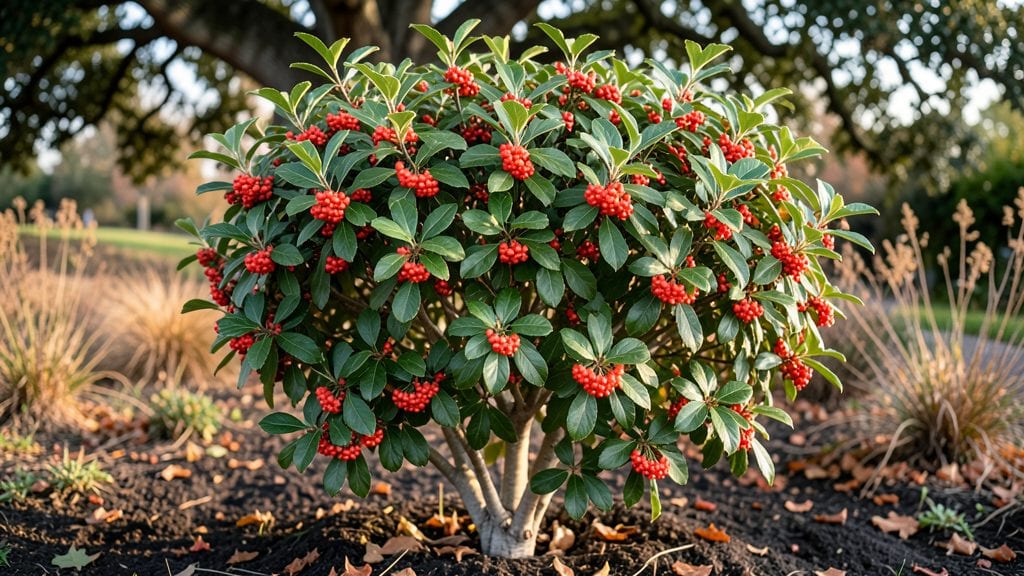
My coral bush plant has been the star of my drought-prone yard for five years now, blooming like crazy with almost no watering. 🌿 The secret lies in its natural resilience—this plant thrives where others fail, turning even the driest spots into a burst of fiery red or orange flowers from late summer through fall.
You’ll need full sun (at least 6 hours daily), well-draining soil, and minimal fuss—no coddling required. The roots dive deep for moisture, so once established, you can forget about watering except during extreme droughts.
Just plant in spring or early fall, space them 3-5 feet apart, and let them grow.
Expect 3-4 feet tall shrubs packed with clusters of tubular blooms that hummingbirds adore. The foliage stays lush even in heatwaves, and pruning is simple: just trim back leggy growth after flowering to keep it compact. No deadheading needed—the spent flowers add winter interest.
Perfect for borders, slopes, or as a low-maintenance hedge. Pair it with lavender or Russian sage for a drought-tolerant combo that needs almost no attention. Here’s how to make yours just as effortless.
📚 In This Guide
- What you need
- Instructions
- Tips and common mistakes
- Wrapping up and next steps
What you need
- ● Coral bush plant: 1 nursery-grown specimen (3–6 inches tall, potted or bare-root). Look for healthy, vibrant foliage and buds!
- ● Well-draining soil: 1 bag (50 lbs) of cactus/succulent mix or amended garden soil (50% native soil + 50% coarse sand/perlite).
- ● Container (if potted): 1 terracotta or fabric pot (12–18 inches wide) with drainage holes.
- ● Sunlight: Full sun (6+ hours/day) or bright, indirect light for indoor setups.
- ● Water: Low-water access (drip irrigation or a watering can with a narrow spout).
- ● Gloves: 1 pair (gardening gloves to protect hands from prickly stems).
- ● Trowel: 1 small hand trowel (for planting or repotting).
- ● Pruners: 1 pair of clean, sharp pruners (for trimming dead blooms or shaping).
- ○ Mulch (optional): 1 bag of gravel or pebbles (to retain moisture and deter weeds).
- ○ Fertilizer (optional): 1 bottle of low-nitrogen, slow-release fertilizer (like 5-10-10, used sparingly).
Step-by-Step guide to planting and caring for coral bush
Here’s how to establish vibrant coral bush plants that reward you with bold blooms and minimal effort.
🌱 Step 1: Choose the Right Location and Prepare the Soil
Coral bush thrives in full sun to partial shade, so pick a spot that gets at least 6 hours of sunlight daily. I always test the area by placing a ruler vertically at midday—if the shadow is shorter than 6 inches, it’s too shady. The plant tolerates poor soil but blooms best in well-draining, slightly alkaline conditions with a pH between 6.0 and 7.5.
Before planting, loosen the soil to a depth of 12 inches with a garden fork. Amend with 2 inches of compost to improve drainage and fertility. Coral bush roots spread aggressively, so avoid planting near sidewalks or foundations unless you want to contain it with deep root barriers. I like to mark the planting area with a 12-inch radius circle to visualize the mature plant’s spread.
🪴 Step 2: Plant Bare-Root or Container-Grown Coral Bush
Dig a hole twice as wide and just as deep as the plant’s root ball. For bare-root plants, soak the roots in lukewarm water for 30 minutes before handling to prevent drying. Gently tease out any circling roots—this encourages outward growth instead of girdling. Place the plant in the hole so the top of the root ball sits 1 inch below soil level.
Backfill with native soil mixed with 1 part compost to improve structure. Water deeply to settle the soil and eliminate air pockets. Avoid compacting the soil around the base; instead, let it settle naturally over time. Mulch with 2 inches of organic mulch (like shredded bark) to retain moisture and suppress weeds, but keep it 3 inches away from the stem to prevent rot.
☀️ Step 3: Water Deeply and Establish a Drought-Resistant Routine
Water newly planted coral bush once a week for the first month, providing 1 gallon per plant each time. After that, reduce watering to every 2-3 weeks, depending on rainfall. Coral bush is drought-tolerant once established, but deep, infrequent watering encourages stronger root growth. You’ll know it’s time to water when the top 2 inches of soil feel dry to the touch.
Overwatering is the biggest mistake beginners make—yellowing leaves or wilting despite moist soil are signs of root rot. If this happens, let the soil dry out completely before watering again. Fertilizer isn’t necessary unless your soil is very poor; a light application of balanced 10-10-10 fertilizer in early spring is all you’ll need. I skip fertilizing in the first year to avoid stressing the plant.
✂️ Step 4: Prune for Shape and Encourage More Blooms
Prune coral bush in late winter or early spring, before new growth begins. Remove any dead, damaged, or crossing branches first—these compete for energy and can harbor pests. Then, cut back the previous year’s growth by one-third to encourage bushier, more vibrant blooms. Use clean, sharp pruners to make cuts at a 45-degree angle, just above a leaf node or bud.
You can also lightly shape the plant in summer after flowering to maintain its form. Avoid heavy pruning at this time, as it removes next year’s flower buds. If your coral bush grows too large, you can rejuvenate it by cutting it back to 12 inches tall in early spring. It may take a year to recover, but the plant will reward you with even more dramatic blooms afterward.
⏰ Step 5: Protect and Enjoy Year-Round Beauty
Coral bush is hardy in USDA zones 5-9, but young plants may need winter protection in colder climates. Mulch heavily with 4-6 inches of organic mulch in late fall to insulate roots. In zones 5-6, wrap the base of the plant with burlap or frost cloth if temperatures drop below 10°F for extended periods.
Pests are rarely an issue, but watch for aphids or spider mites on new growth. A strong spray of water usually dislodges them, or use an insecticidal soap if infestations persist. Coral bush blooms on new wood, so even if you prune heavily, you’ll still get vibrant flowers each season. The more you prune and shape it, the fuller and more dramatic the display becomes—it’s a plant that truly rewards attention with bold, eye-catching color.
Tips & tricks for perfect coral bush planting and care
These game-changing insights will help you transform your coral bush from a struggling plant into a vibrant, low-maintenance showstopper.
Sunlight Strategy: While coral bush thrives in full sun, I've found that morning sun with afternoon shade works best in hotter climates. If you notice leaves scorch after just a few hours of afternoon sun, move the plant to a spot where it gets sunlight before noon and shade in the afternoon. This prevents that classic sunburned look while still giving it the light it needs for those bold blooms.
Soil Preparation Secret: The 12-inch deep soil loosening in Step 1 is crucial, but don't stop there. I like to add a handful of crushed eggshells to the planting hole for extra calcium. Coral bush appreciates this mineral boost, especially in alkaline soils. It helps prevent blossom end rot and promotes healthier foliage. Just mix it into the 2 inches of compost before backfilling.
Watering Wisdom: That first month of weekly watering with 1 gallon per plant is non-negotiable, but here's the thing about the 2-3 week routine after that: I've learned to check soil moisture at different times of day. Early morning is best because evening water can lead to fungal issues. And if you're in a particularly dry area, consider adding a 3-inch layer of gravel around the base to help regulate moisture levels.
Pruning Precision: When cutting back by one-third in Step 4, focus on removing the oldest stems first. These are the ones that produce fewer flowers and take energy away from new growth. I always make my cuts just above a leaf node at a 45-degree angle—this encourages new shoots to grow outward rather than inward, creating a fuller, more balanced plant shape.
Pro Tips for Coral Bush Plant
- These game-changing insights will help you transform your coral bush from a struggling plant into a vibrant, low-maintenance showstopper.
- Sunlight Strategy: While coral bush thrives in full sun, I've found that morning sun with afternoon shade works best in hotter climates.
- Soil Preparation Secret: The 12-inch deep soil loosening in Step 1 is crucial, but don't stop there.
Frequently asked questions
Got questions about growing coral bush plants? You’re not alone!
Here are some of the most common queries—plus straightforward answers to help you cultivate these drought-tolerant beauties with confidence.
Can coral bush plants survive extreme heat or drought?
Coral bush (also called Pentaclethra macroloba or Eremophila species) is a desert-adapted plant, thriving in full sun and zero fuss. Once established, it tolerates dry spells like a pro—just water deeply once a month during scorching summers. Pro tip: Mulch around the base to lock in moisture.
When is the best time to plant coral bush?
Plant in early spring or fall when temperatures are mild (60–75°F). Avoid extreme heat or frost—coral bush hates soggy roots! If you’re in a warm climate, spring is ideal to give roots time to settle before summer droughts hit. Bonus: Container-grown plants can be transplanted year-round (check soil temps first!).
Are there low-maintenance alternatives to coral bush?
Yes! If coral bush isn’t your vibe, try these drought-proof darlings:
- Texas Sage (Leucophyllum frutesens) – Blooms after rain, silvery foliage.
- Desert Marigold (Baileya multiradiata) – Bright yellow, ultra-tough.
- Blackfoot Daisy (Melampodium leucanthum) – White blooms, thrives in poor soil.
Why are my coral bush leaves turning yellow or dropping?
Yellowing leaves usually signal overwatering or root rot—coral bush hates wet feet! Check these fixes:
- Improve drainage: Amend heavy soil with sand/perlite.
- Water less: Let soil dry out completely between waterings.
- Prune dead growth: Snip yellow/brown stems to encourage new blooms.
How do I encourage more blooms on my coral bush?
Coral bush blooms best with full sun (6+ hours/day) and well-draining soil. For extra flowers:
- Feed lightly: Use a low-nitrogen fertilizer (like 5-10-10) in early spring.
- Prune after blooming: Trim back 1/3 of the plant to shape and stimulate new growth.
- Avoid overwatering: Blooms suffer when roots stay soggy.
Wrapping up and next steps
The coral bush plant is a stunning, low-maintenance addition to any garden, offering vibrant blooms and resilience in even the driest conditions. Whether you’re a seasoned gardener or just starting out, its easy care and drought-proof nature make it a must-have for effortless beauty. 🌸
Ready to transform your outdoor space? Grab your supplies, follow the steps, and enjoy the rewards of this hardy plant—your future garden will thank you! Start planting today!