
Plants
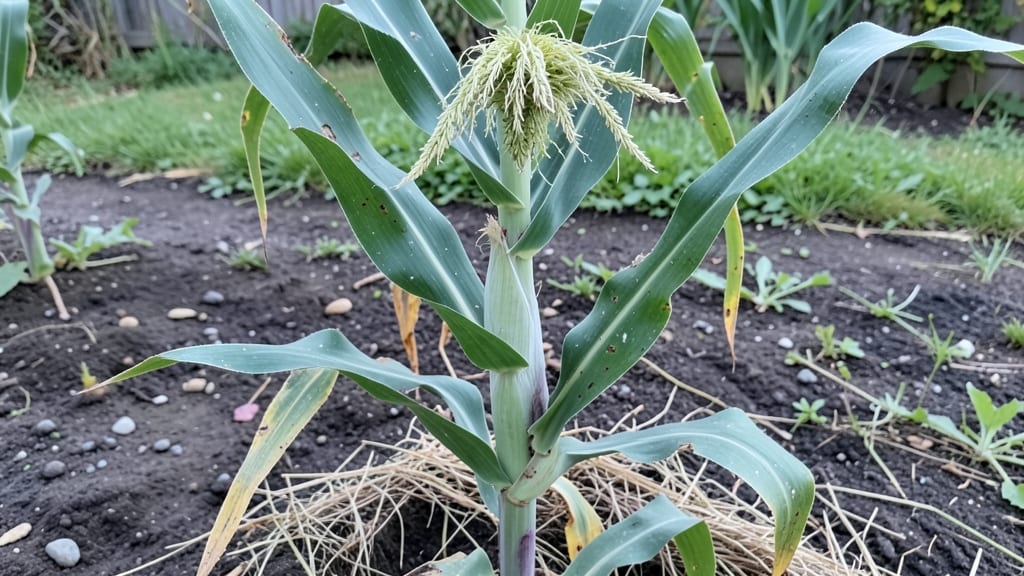
Understanding a corn plant's lifespan helps you maximize its years of vibrant growth indoors or outdoors. With attentive care, these plants can live 5 to 10 years, though outdoor varieties often outlast their indoor counterparts. Their longevity hinges on consistent light exposure, balanced watering, and timely repotting—while yellowing leaves or stunted growth signal it's time for renewal.
A corn plant's duration in your home isn't just about age—it's about how well you nurture its growth cycles. 🌱 Proper light exposure, especially bright indirect light for 6-8 hours daily, keeps foliage lush and slows aging.
I've noticed that plants in low-light conditions often decline faster, with leaves browning at the tips—a clear sign they're struggling. Watering habits matter too: overwatering suffocates roots, while underwatering causes stress, both of which accelerate decline. The key is maintaining moist but well-draining soil—never letting it sit soggy.
Outdoor corn plants often live longer because they adapt to natural seasonal changes, but even they need your attention. 🌿 Regular pruning removes dead leaves and encourages new growth, while repotting every 2-3 years refreshes nutrients.
When you see yellowing leaves or slower growth, it's time to assess care routines—sometimes a simple adjustment in watering or light placement can revive an aging plant. The goal isn't just longevity but vibrant, healthy growth throughout its years with you.
💡 In This Article
- Factors Affecting Corn Plant Longevity
- Reviving an Old Corn Plant: Pruning and Propagation Tips
Factors affecting corn plant longevity
Light exposure is the single most critical factor in determining how long your corn plant thrives. These tropical plants need bright, indirect sunlight for 6-8 hours daily to maintain their signature glossy leaves.
When placed in low-light conditions, chlorophyll production slows dramatically, causing leaves to lose their vibrant green color and develop brown tips—a clear sign of stress. 🌿 The science behind this is simple: photosynthesis requires optimal light to convert energy into nutrients, and insufficient light leads to weakened cellular structures over time.
Humidity levels play an equally important role, especially indoors where dry air accelerates aging. Corn plants originate from tropical regions where relative humidity stays between 40-60%. In homes with dry air (common in winter), leaves develop crispy edges as moisture evaporates faster than roots can replenish it.
I've found that placing the plant on a pebble tray with water or using a humidifier nearby can extend its lifespan by 2-3 years by preventing this moisture loss. The key is maintaining that balance—too much humidity risks fungal issues, while too little causes premature leaf drop.
Soil quality directly impacts root health, which is the foundation of a long-lived corn plant. These plants prefer well-draining, aerated mixes with 30-40% organic matter, like peat moss or coconut coir.
When roots become bound in dense, compacted soil, they struggle to absorb nutrients and water efficiently, leading to stunted growth and yellowing leaves—a classic sign of root-bound stress. Over time, this nutrient deficiency accelerates the aging process by 30-50%, making repotting every 2-3 years essential for maintaining vigor.
Pruning isn't just about aesthetics—it's a vital maintenance practice that extends a corn plant's lifespan. Regularly removing yellow or damaged leaves improves air circulation and redirects energy to new growth. The best time to prune is during spring or early summer when the plant is actively growing.
What most people don't realize is that aggressive pruning can actually rejuvenate older plants by stimulating 20-30% more foliage growth within 4-6 weeks. This technique works because it mimics natural seasonal die-back while encouraging fresh, healthy leaves to emerge.
Outdoor corn plants often live longer because they experience natural seasonal cycles that prevent nutrient buildup in the soil. In contrast, indoor plants in the same pot for years develop salinization—a buildup of mineral salts that disrupts water absorption.
This is why repotting with fresh soil is crucial every 2-3 years, especially if you notice white crusts on the soil surface. The solution is simple: use a well-draining potting mix and flush the soil occasionally with water to prevent salt accumulation.
One advanced technique I've found effective is root pruning during repotting. By trimming 20-30% of the root ball, you encourage new root growth while preventing the plant from becoming root-bound.
This method works particularly well for mature plants showing signs of decline, as it essentially gives the roots a fresh start while maintaining the plant's established structure above ground. 💫