
Vegetables
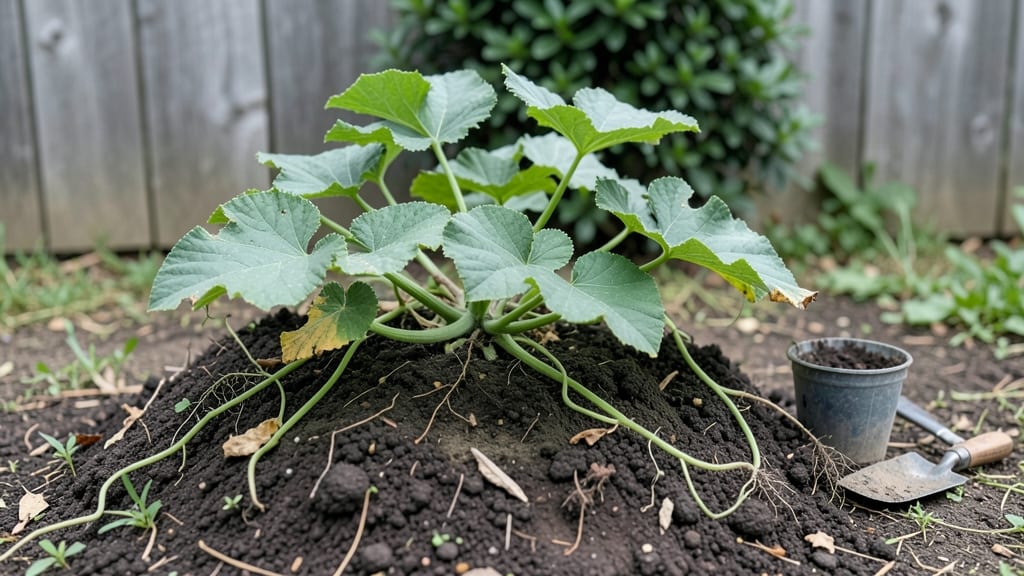
Planting cucumbers on hills isn't just a trick—it's the secret to bigger harvests in less space. 🌱 I spent years watching my vines sprawl uselessly across the garden until I tried mounding the soil, and suddenly those cucumbers were climbing, not crawling. The difference in yield was shocking.
This method works by lifting roots above ground level, which improves drainage and keeps fruits cleaner. You'll need well-draining soil, a sunny spot, and about 3-4 feet of space between hills for proper airflow.
The key is building the hills before planting, not after—think of them as mini-mountains where your cucumbers can spread their roots deep and wide.
What you end up with is a garden that produces more cucumbers per square foot than flat planting ever could. The hills also make harvesting easier—no more bending over to pick fruit from the ground. Plus, the elevated position helps deter slugs and other pests that avoid climbing.
Works equally well in raised beds, containers, or traditional in-ground gardens. Once you try it, you'll wonder why you ever planted cucumbers any other way. Ready to transform your garden this season?
📚 In This Guide
- What you need
- Instructions
- Tips and common mistakes
- Wrapping up and next steps
What you need
- ● Cucumber Seeds or Seedlings: 10–20 seeds (or 5–10 seedlings) of a bush-type or vining cucumber variety (e.g., 'Straight Eight,' 'Marketmore,' or 'Spacemaster').
- ○ Optional: Choose heirloom or disease-resistant varieties for better yields.
- ● Growing Medium: 2–3 cubic feet of high-quality potting mix (sterilized, well-draining, and rich in compost).
- ○ Optional: Add 1–2 cups of perlite or vermiculite to improve aeration.
- ● Containers or Hill Structure: Fabric grow bags (5–10 gallons each) or large pots (12–18 inches deep) for individual hills.
- ● Or: A raised bed (minimum 12" deep) with vertical trellis space (e.g., wire mesh, bamboo stakes, or netting).
- ○ Optional: Repurpose old tires, pallets, or hanging planters for creative vertical setups!
- ● Trellis or Support System: Tall stakes (5–6 feet), A-frame trellises, or spiral cucumber towers (DIY or store-bought).
- ● Pro Tip: Use soft twine or Velcro plant ties to secure vines gently—avoid wire that can damage stems! 🌿
- ● Fertilizer: Balanced organic fertilizer (10-10-10 or 5-5-5) or compost (mix 1 cup per hill at planting).
- ○ Optional: Slow-release granules or liquid seaweed fertilizer for a nutrient boost.
- ● Sunlight: A spot with 6–8+ hours of direct sunlight daily (south-facing is ideal in the Northern Hemisphere).
- ● Water Access: A drip irrigation system, watering can, or hose with a gentle spray nozzle.
- ● Temperature: Wait until soil is at least 60°F (15°C)—cucumbers are not frost-tolerant! 🌡️
- ● Pruning Tools: Sharp pruning shears (for trimming vines).
- ○ Optional: Gloves (to protect from thorns on some varieties).
- ● Mulch: Straw or shredded leaves (2–3 inches thick) to retain moisture and suppress weeds.
Step-by-Step instructions for cucumber hill planting
Transform limited space into a thriving cucumber garden with this elevated technique.
🌱 Step 1: Build the Planting Hill Structure
Start by gathering the materials—this method requires no soil amendments beyond what you already have. Create a mound about 3 feet in diameter and 12-18 inches high using the existing garden soil. I like to shape it like a small pyramid with gentle slopes for easy access. The height ensures good drainage while maximizing root growth.
Pack the soil firmly but not tightly—you want it dense enough to hold shape but loose enough for roots to penetrate. Leave the top 6 inches flat to create a planting platform. This elevated design warms up faster in spring and dries out more quickly, reducing rot risks for cucumbers.
💧 Step 2: Prepare the Planting Medium
Spread 2-3 inches of compost evenly over the entire mound surface. Work it into the top 6 inches of soil using a garden fork or your hands to blend it thoroughly. This enriches the planting zone where most roots will develop. I avoid adding fresh manure here—it can burn tender cucumber roots.
Create 4 small planting pockets spaced evenly around the mound's perimeter, about 8 inches apart. Each pocket should be 3-4 inches deep and wide enough to accommodate the cucumber roots without crowding. The hill's shape naturally channels water toward the center, so these pockets will stay consistently moist.
☀️ Step 3: Plant Cucumber Seeds or Transplants
Place 1-2 seeds per pocket at a depth of 1 inch, or set transplants so the crown sits ½ inch below soil level. I always plant extra seeds—some may fail to germinate, and having backups ensures a full harvest. Cover lightly with soil and press gently to make contact with the roots.
Water immediately after planting to settle the soil around the seeds. Use a soaker hose to deliver moisture evenly without disturbing the mound structure. Keep the soil consistently moist but never soggy—cucumber seeds need 70-80°F soil temperatures to germinate reliably. You'll see sprouts in 5-10 days if conditions are right.
🌿 Step 4: Train Vines and Maintain the Hill
Once seedlings reach 4-6 inches tall, begin training vines up tall trellises or stakes placed at each planting pocket. I use 5-6 foot bamboo stakes driven into the mound's sides. Gently weave new growth around the support as it emerges—this prevents breakage when vines get heavy with fruit.
Mulch the base of the mound with 2-3 inches of straw to retain moisture and suppress weeds. Water at the mound's base rather than overhead to keep foliage dry, which prevents powdery mildew. The hill's design means you'll water less frequently—roots stay cooler and moisture evaporates more slowly than in flat beds.
✂️ Step 5: Harvest and Prune for Continued Production
Pick cucumbers when they reach 6-8 inches long for peak flavor and to encourage more fruit production. I harvest every 2-3 days during peak season—neglecting harvests leads to bitter fruit and vine stress. Use pruning shears to trim back any leggy growth that exceeds the trellis, redirecting energy to fruit production.
The hill structure remains productive for 2-3 seasons before needing a soil refresh. At season's end, remove all plant debris to prevent disease carryover. The next year, simply add fresh compost to the existing mound and repeat the process—your cucumbers will thrive with minimal effort.
Tips & tricks for perfect cucumber hill planting
Here's what I've learned after years of perfecting this space-saving technique—these tricks will help you avoid common pitfalls and maximize your cucumber harvest.
The Soil Temperature Secret: To ensure reliable germination, check your soil temperature before planting—aim for that 70-80°F range. I use a soil thermometer to confirm conditions are right. If your soil is cooler, consider using black plastic mulch a few days before planting to warm it up naturally. Cold soil is the #1 reason cucumber seeds fail to sprout.
Planting Pocket Precision: When creating those 4 planting pockets in Step 2, make them just slightly wider than your cucumber roots will be. I use my hand as a guide—each pocket should comfortably fit my thumb and forefinger spread apart. This prevents overcrowding while giving roots room to establish. The 8-inch spacing between pockets is perfect for air circulation and easy harvesting.
Trellis Training Technique: For the 5-6 foot bamboo stakes in Step 4, drive them in at a slight angle (about 15 degrees) rather than straight up. This creates more surface area for vines to climb and reduces the risk of stakes toppling when vines get heavy with fruit. I also weave the vines in a figure-8 pattern around the stakes to distribute weight evenly.
Harvest Frequency Hack: The 2-3 day harvesting schedule in Step 5 works wonders for continuous production, but here's a pro tip: Harvest first thing in the morning when cucumbers are crispest. I also use a small basket lined with a towel to carry freshly picked cucumbers—this prevents bruising and keeps them cool until you're ready to use them.
Pro Tips for Cucumber Hill Planting
- Here's what I've learned after years of perfecting this space-saving technique—these tricks will help you avoid common pitfalls and maximize your cucumber harvest.
- The Soil Temperature Secret: To ensure reliable germination, check your soil temperature before planting—aim for that 70-80°F range.
- Planting Pocket Precision: When creating those 4 planting pockets in Step 2, make them just slightly wider than your cucumber roots will be.
Frequently asked questions
When is the best time to plant cucumbers in hills?
Plant cucumber hills after the last frost when soil temperatures reach at least 60°F (15°C). In warm climates, aim for spring or early summer; cooler regions may wait until late May or June. Hills warm up faster than flat soil, giving seedlings a head start!
How long does it take for cucumbers to grow after planting?
Expect 50–70 days from planting to harvest, depending on the variety. Hills can speed this up slightly by improving drainage and airflow. Thin seedlings to 2–3 per hill at 2 inches tall to avoid competition. Patience pays off—watch for vines and flowers as key milestones!
Can I use hills for other vegetables besides cucumbers?
Hills work great for squash, melons, beans, or even small tomatoes. The key is loose, fertile soil and good drainage. Just adjust spacing: cucumbers/melons (3–4 ft apart), beans (1–2 ft). Rotate crops yearly to prevent disease.
Why are my cucumber hills attracting pests (like squash bugs)?
Hills can concentrate pests if mulched improperly. Try these fixes:
- Row covers (early season) to block bugs.
- Neem oil or diatomaceous earth for organic control.
- Interplant with basil or marigolds to repel pests.
- Remove debris around hills to deter hiding spots.
Can I plant cucumber hills in containers or raised beds?
Yes! Hills thrive in 5-gallon containers or raised beds (minimum 12" deep). Use a well-draining mix (50% potting soil, 30% compost, 20% perlite). Place containers in full sun and water at the base to avoid fungal issues. Dwarf varieties (like ‘Bush Champion’) are ideal for small spaces.
Pro Tip:
For bigger yields, add a handful of compost to each hill at planting and side-dress with nitrogen-rich fertilizer when vines start running. Hills dry out faster—water deeply 2–3x/week (not daily shallow watering).
Wrapping up and next steps
Planting cucumbers on a hill isn’t just clever—it’s a game-changer for small spaces! 🌱 By stacking your plants vertically, you’ll maximize yield, save room, and enjoy fresher harvests with minimal effort. Whether you’re a seasoned gardener or just starting, this method proves that big results don’t require big plots.
Now that you’re armed with tips and tricks, grab your tools and get planting! Start small with a single hill, experiment with varieties, and watch your cucumber dreams grow—literally. Happy gardening! 🌿