
Plants
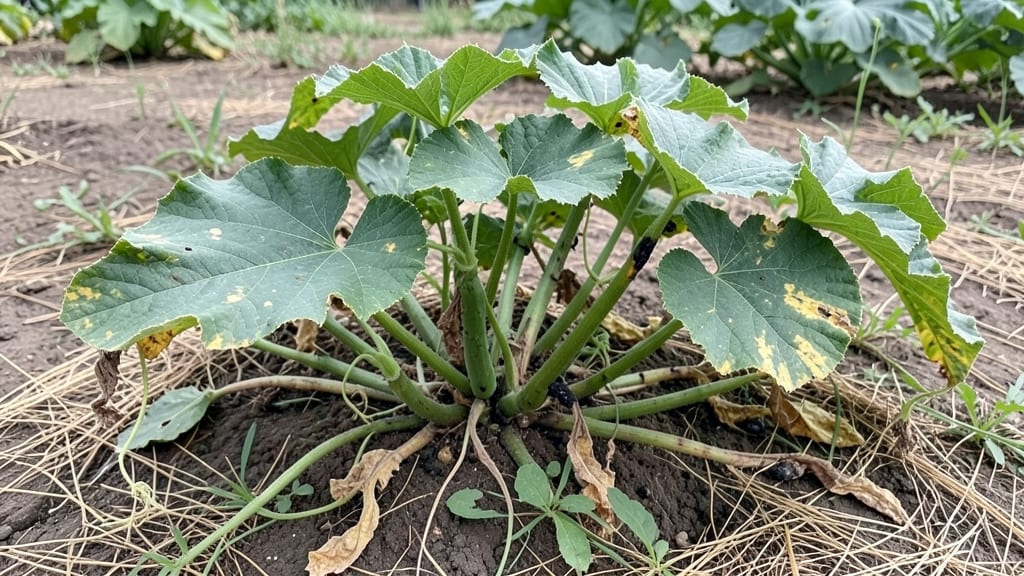
Cucumber plant blight can turn your thriving vines into a sad, yellowing mess in days. 🌱 I’ve watched my prized cucumbers go from lush and productive to nearly lost thanks to downy mildew—until I learned the fast fixes that actually work.
The key isn’t just spraying something; it’s stopping the fungus before it spreads and giving your plants the right conditions to fight back.
Most blight starts with tiny yellow spots on leaves that quickly turn into fuzzy white or gray patches. That’s your cue to act fast—within 24 hours, the whole plant can be compromised. The good news?
Healthy plants resist blight better, so we’ll focus on organic sprays, pruning, and spacing tricks that cut down on humidity (the fungus’s favorite environment). You’ll skip the chemical overkill and still get vines that stay green and productive.
By the end of this, you’ll spot blight early, treat it with a mix of copper spray and neem oil, and keep your cucumbers thriving all season. No more wilting vines or wasted effort—just crisp, disease-free cucumbers straight from your garden. Let’s get those plants back on track.
Works for downy mildew, powdery mildew, and bacterial blight, whether you’re growing in the ground or containers. The same principles apply, no matter your setup. Ready to save your crop?
Root Causes Of Plant Decline
Cucumber plants don’t just wilt or rot on a whim—blight thrives when specific conditions align, often triggered by a mix of environmental stress, microbial activity, and poor growing practices.
Understanding the why behind these issues is the first step to prevention. Here’s a breakdown of the most common culprits, explained in clear, actionable terms.
Fungal blights—like Pseudomonas syringae or Colletotrichum orbiculare—love moisture. When cucumber leaves stay damp for prolonged periods (think 10+ hours of leaf wetness), spores germinate and infect tissues. This happens most often in:
- Poor drainage: Compacted or heavy clay soil traps water at the roots, suffocating plants and creating ideal fungal breeding grounds. Test your soil: Dig a hole 12 inches deep—if water pools after 6 hours, drainage is likely the issue.
- Overhead irrigation: Sprinklers (even drip systems misused) can splash spores from soil onto leaves, accelerating infection. Fix it: Switch to soaker hoses or drip irrigation aimed at the soil, not foliage.
- Humid climates or monsoon seasons: Regions with high humidity (e.g., Southeast U.S., tropical zones) see blight outbreaks when rainfall exceeds 1.5 inches per week. Solution: Space plants 18–24 inches apart for airflow and prune lower leaves to improve circulation.
💡 Pro Tip: Use a hygrometer to monitor humidity. Aim for 40–60% daytime humidity—any higher increases blight risk.
Blight-causing fungi are everywhere—in soil, old plant debris, and even windborne. But they only become aggressive when cucumber plants are stressed. Key triggers:
- Contaminated tools or compost: Pruners, gloves, or compost piles harbor spores. Prevent spread by:
- Disinfect tools with 1 part bleach to 9 parts water between uses.
- Avoid composting infected plant material—burn or trash it instead.
- A balanced 5-10-10 fertilizer (nitrogen-phosphorus-potassium) applied at planting.
- Calcium-rich amendments like crushed eggshells or lime to strengthen cell walls.
Cucumbers thrive in 70–90°F but struggle when temps dip below 50°F or spike above 95°F. Extreme heat or cold:
- Slows photosynthesis, starving plants of energy to fight infections.
- Increases transpiration (water loss), making leaves more susceptible to fungal attachment.
- Encourages secondary infections: Heat-stressed plants ooze sap, creating sticky surfaces where spores land and multiply.
🌡️ Fix it: Use shade cloth (30–50%) in peak summer or row covers in early spring. Mulch with straw or black plastic to stabilize soil temps.
Insects like aphids, cucumber beetles, or spider mites don’t just eat leaves—they injure plant tissues, creating wounds where fungi can invade. Even wind or hail can do the same. Break the cycle by:
- Monitoring daily: Check undersides of leaves for pests (especially in mornings when they’re sluggish).
- Using row covers early in the season to block beetles.
- Hand-picking pests (drop them in soapy water) or spraying with neem oil (mix 2 tbsp per gallon of water).
✨ Prevention hack: Plant nasturtiums or marigolds nearby—they repel pests naturally!
Blight doesn’t happen in a vacuum—it’s the result of multiple stressors working together. The good news? By addressing one or two of these root causes, you can dramatically reduce outbreaks. Next up: How to Spot Early Signs before blight takes hold.
Revive Your Cucumbers Fast
Blight on your cucumber plants doesn’t have to mean the end of your harvest—with the right approach, you can nurse them back to health and even prevent future outbreaks.
Below, we’ve mapped out practical, step-by-step solutions tailored to the most common causes of cucumber plant blight, from fungal infections to environmental stress. Follow these fixes to save your vines and keep your garden thriving!
Fungal blight is the #1 villain for cucumbers, but you can starve it out with these tactics:
🔥 Remove and Destroy Infected Leaves
- How: Snip off yellowed or spotted leaves below the blight (use sterilized scissors or pruners).
- Why: Fungi spread via spores—removing infected parts stops the cycle.
- Pro Tip: 💡 Don’t compost diseased leaves! Toss them in the trash (or burn them if possible) to prevent reinfection.
🌡️ Improve Airflow and Light
- How:
- Space plants 12–24 inches apart (check your variety’s needs).
- Prune overcrowded vines to let sunlight hit all leaves.
- Use trellises for vining cucumbers to elevate them off damp soil.
- Why: Fungi love humidity and shade—dry, breezy conditions slow their growth.
🍄 Apply Fungicidal Sprays (Organic or Chemical)
- DIY Spray (Baking Soda Mix):
- Mix 1 tsp baking soda + 1 tbsp vegetable oil + 1 tsp dish soap + 1 gallon water.
- Spray early morning or evening (avoid direct sun to prevent leaf burn).
- Reapply every 7–10 days or after rain.
- Store-Bought Options:
- Neem oil (natural, disrupts fungal spores).
- Copper fungicide (fast-acting, but use as a last resort).
- ⚠️ Warning: Rotate treatments to avoid resistance—don’t rely on one spray forever!
🌱 Boost Plant Immunity with Soil Care
- How:
- Add compost or worm castings around the base (but not touching leaves).
- Side-dress with fish emulsion or seaweed extract (every 2–3 weeks) for nitrogen and trace minerals.
- Why: Healthy plants fight off blight better than stressed ones.
Blight thrives when cucumbers sit in soggy soil. Fix these common water woes:
💧 Adjust Your Watering Routine
- How:
- Water deeply 1–2 times per week (early morning, so leaves dry by evening).
- Use drip irrigation or soaker hoses (avoids wetting foliage).
- Never water overhead—this splashes spores onto leaves.
- Pro Tip: 🌡️ Check soil moisture before watering—stick your finger 1 inch down.
If dry, water; if damp, wait.
🏗️ Improve Soil Drainage
- How:
- Amend heavy clay soil with perlite, sand, or coconut coir.
- Plant cucumbers in raised beds if your garden stays waterlogged.
- Avoid compacted areas—loosen soil with a fork if needed.
- Why: Waterlogged roots = stressed plants = blight magnet.
🌿 Mulch to Regulate Moisture
- How:
- Apply 2–3 inches of straw or shredded leaves around plants (keep mulch away from stems).
- Avoid plastic mulch—it traps heat and moisture, inviting fungi.
- Bonus: Mulch also suppresses weeds, which compete for nutrients!
Pests weaken plants, making them blight bait. Kick them to the curb with these tricks:
🐜 Handpick and Trap Beetles
- How:
- Handpick cucumber beetles (look for yellow/orange striped adults).
- Set up yellow sticky traps near plants to catch flying beetles.
- Crush eggs (tiny orange clusters on undersides of leaves).
🌿 Use Row Covers Early
- How:
- Install floating row covers at planting to block beetles (remove when flowers appear for pollination).
- Why: Beetles spread bacterial wilt, which looks like blight but is even deadlier.
🍋 Spray Homemade Pest Repellents
- DIY Spray:
- Mix 1 chopped garlic clove + 1 tsp cayenne pepper + 1 quart water. Strain and spray on leaves.
- Reapply every 3–5 days.
- Commercial Options:
- Pyrethrin-based sprays (fast knockdown).
- Neem oil (also repels aphids).
An ounce of prevention beats a pound of cure. Set up your cucumbers for success next season:
🌱 Choose Resistant Varieties
- Try these blight-tolerant cucumbers:
- ‘Lemon Cucumber’ (resistant to powdery mildew).
- ‘Straight Eight’ (disease-resistant heirloom).
- ‘Poona Kheera’ (heat-tolerant and hardy).
🌡️ Plant in the Right Conditions
- Timing: Start seeds after the last frost when soil is 60°F+.
- Location: Pick a sunny spot (6+ hours/day) with good airflow.
- Rotation: Never plant cucumbers in the same spot two years in a row—rotate families (e.g., tomatoes → cucumbers).
🧼 Sterilize Tools and Beds
- How:
- Clean pruners with rubbing alcohol between cuts.
- Solarize soil in late summer (cover with clear plastic for 4–6 weeks to kill fungi).
- Why: Old spores lurk in soil and tools—sterilizing breaks the cycle.
📅 Monitor and Act Fast
- Check plants 2–3 times per week for early signs (white powder, yellow spots).
- Isolate new plants for 1–2 weeks to spot blight before it spreads.
If your cucumbers are already heavily blighted, decide whether to save or replace them:
| If Your Plant… | Do This: |
|---|---|
| Has <30% blight | Trim infected parts, treat with fungicide, and monitor closely. |
| Is >50% infected | Pull it out—blight spreads fast, and saving it may infect the whole patch. |
| Has bacterial wilt | Remove immediately—no cure, and it’s contagious to other cucurbits (melons, squash). |
Final Thought: 🎯 Blight doesn’t have to be a death sentence—act fast, stay consistent, and your cucumbers will bounce back stronger. With these fixes, you’ll enjoy crisp, disease-free cucumbers all season long!
Frequently asked questions
How do I tell the difference between powdery mildew and downy mildew on cucumber leaves?
Powdery mildew appears as a white, powdery coating on top of leaves, while downy mildew shows up as yellow spots on top and fuzzy grayish growth on the undersides. Both thrive in humidity, but downy mildew spreads faster in wet conditions.
Can I still harvest cucumbers from a blighted plant?
Yes, but only if the fruit itself is healthy. Remove any cucumbers touching infected leaves, as spores can contaminate them. Wash thoroughly before eating. For severe cases, pull the plant entirely to prevent spread.
Will copper spray harm beneficial insects like bees?
Copper fungicides are generally safe for bees when used after flowering (when cucumbers are pollinated). Avoid spraying during peak bloom times. For extra safety, apply in the evening when bees are less active.
How long does it take for baking soda spray to work on blight?
You’ll see results in 3–5 days with consistent applications (every 7–10 days). The baking soda mix raises leaf pH, making it harder for fungi to thrive. For faster action, combine it with neem oil.
Can I save my cucumber plants if they already have bacterial wilt?
No, bacterial wilt has no cure. Remove infected plants immediately and disinfect tools with 70% rubbing alcohol. This disease spreads through soil and water—don’t plant cucurbits in that spot for at least 3 years.