
Plants
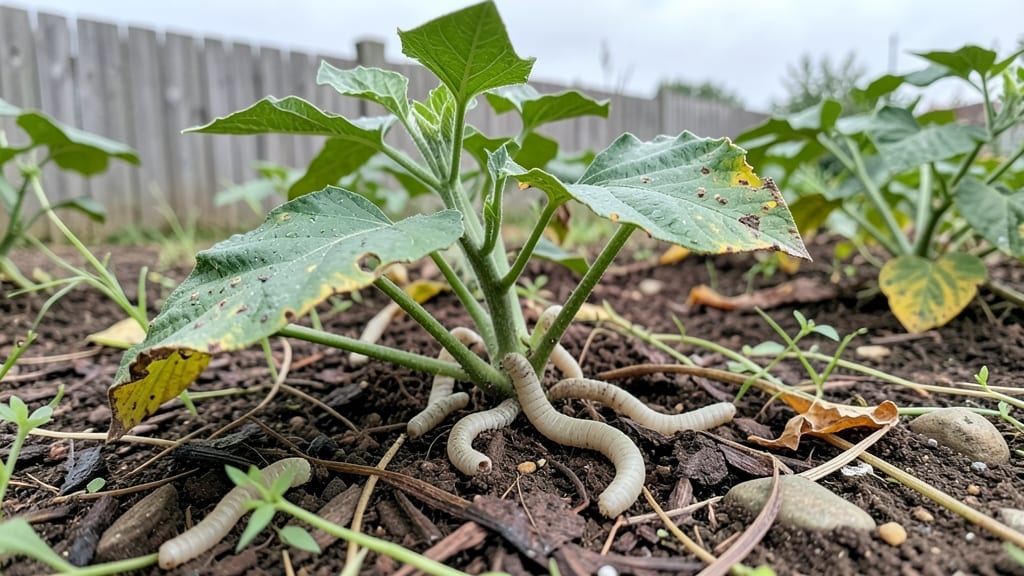
Cutworms on pepper plants mean your harvest could vanish overnight if you don’t act fast. 🌱 I’ve lost entire rows of peppers to these sneaky pests—chewed stems at soil level, plants toppling like felled trees—until I learned the three-step rescue that works in under an hour.
The key is catching them before they strike again.
These pale, inch-long caterpillars hide under mulch or leaves by day, striking at night. You’ll spot them by severed stems, ragged edges on leaves, or plants mysteriously collapsing. The good news? They’re easy to spot once you know what to look for—especially after dark, when they’re most active.
With the right tools—like a flashlight, beer traps, or neem oil—you can stop them in their tracks. I’ve saved entire gardens using these methods, and your peppers can thrive too. The secret is acting before they multiply, because once they do, it’s too late for some plants.
This works for tomatoes, eggplants, and other tender plants too. Whether you’re dealing with a small patch or a full garden, these steps keep your harvest safe. Let’s get those peppers back on track before the next full moon—when cutworms strike hardest.
The Hidden Culprits Behind Cutworm Attacks
Cutworms may seem like sneaky garden pests, but their destructive habits stem from a mix of natural behaviors and environmental triggers. Understanding why they target your pepper plants—and how they do it—is the first step to outsmarting them.
Below, we break down the key factors that turn your thriving peppers into a buffet for these nocturnal caterpillars.
Cutworms are the larval stage of moths (like the Agrotis ipsilon or Spodoptera species), and their name comes from their habit of "cutting" plants at ground level. Here’s why they’re so effective at devouring your peppers:
- Nocturnal Nature: These caterpillars are most active after dark, when temperatures drop and predators (like birds or spiders) are less likely to spot them. They crawl up plants using silk threads, then chew through stems just above the soil, causing plants to topple like dominoes. 🌑
- Polyphagous Appetites: Cutworms aren’t picky eaters—they’ll feast on almost any young plant, including peppers, tomatoes, and even weeds. Pepper plants, with their tender stems and sweet foliage, are a prime target, especially when stressed or overcrowded.
- Silk Trails as a Weapon: Cutworms produce silk to create a "safety net" as they move. This silk can also anchor them to leaves, allowing them to drop onto unsuspecting plants from above (a tactic called "ballooning").
Pro Tip: 💡 If you spot silver-gray caterpillars with smooth, hairless bodies (or their shed skins) near your plants at dawn, you’ve likely got cutworms on the menu.
Cutworms aren’t just random attackers—they’re opportunists. Pepper plants that are weak, stressed, or competing for resources become easy prey. Here’s how common gardening mistakes create the perfect cutworm magnet:
| Cause | Why It Attracts Cutworms |
|---|---|
| Overcrowding | Pepper plants growing too close share nutrients, making stems thinner and easier to cut. Cutworms prefer plants that are already struggling to stand on their own. |
| Poor Soil Drainage | Waterlogged soil weakens roots, causing plants to wilt or collapse—a red flag for cutworms. They target plants that are already struggling to stay upright. |
| Excessive Nitrogen | While nitrogen fuels growth, too much makes pepper plants soft and succulent—like a cutworm’s all-you-can-eat salad bar. |
| Late Planting | Peppers planted after the last frost are young and vulnerable when cutworm populations peak in late spring/early summer. |
Pro Tip: ✨ Space plants 18–24 inches apart and avoid heavy nitrogen fertilizers (like manure) near pepper beds to reduce their appeal.
Cutworms thrive under specific conditions, and their activity spikes when these factors align:
- Cool, Damp Nights: Temperatures between 50–70°F (10–21°C) and high humidity are ideal for cutworm activity. They become sluggish in extreme heat or cold, so they strike when conditions are just right. 🌡️
- Recent Rainfall: Moist soil helps cutworms move quickly and hides their presence from predators. After a rain, check for freshly cut stems—it’s a sure sign they’ve been feasting.
- Seasonal Peaks:
- Early Season (Spring): First-generation cutworms emerge as moths lay eggs in fall/winter, and larvae hatch when soil warms.
- Late Summer (Second Generation): A second wave appears if conditions are favorable, often targeting stressed plants.
Pro Tip: 🎯 Monitor your garden after rain or during cool evenings—these are the high-risk periods for cutworm attacks.
Now that you know why cutworms are targeting your peppers, the next step is act fast to protect your plants before they become a free-for-all. Stay tuned for our 3-step rescue plan!
Quick Fixes for Cutworm Damage
Now that you know why cutworms are attacking your pepper plants, let’s tackle the problem head-on with practical, effective solutions. These methods target the root causes—whether it’s hiding pests, disrupting their life cycle, or protecting your plants—so you can reclaim your garden without harmful chemicals.
Below, we’ve mapped out direct fixes for each scenario, plus prevention tips to keep cutworms away for good.
Cause: You’ve noticed chewed stems, wilting seedlings, or small green caterpillars lurking at the base of your plants. Fix:
- 🕵️♂️ Inspect at dusk or dawn – Cutworms are most active during low light. Gently lift plant debris, mulch, or soil near the stem with a flashlight or headlamp.
- 👨🍳 Drop them in soapy water – Once spotted, place the worms in a bucket of soapy water (1 tbsp dish soap per gallon) to kill them instantly. No need for gloves—just be quick!
- 🔪 For stubborn infestations, use a knife or trowel to slice open the soil around the stem and check for hidden larvae. Remove any you find and dispose of them far from your garden.
Pro Tip: 💡 Check under collars (the base where stem meets soil) first—this is their favorite hiding spot!
Cause: You’re dealing with a recurring problem, and cutworms keep reappearing. Fix:
- 🍎 Apple or potato trap – Bury a halved apple or potato near your plants (cut side down). The scent attracts cutworms, which will crawl inside. Check daily and dispose of them.
- 🥛 Milk carton traps – Cut a milk carton in half, place it around a pepper plant, and fill it with beer or milk. The smell lures cutworms in, and they drown. Bonus: It also traps slugs!
- 🌡️ Solar-powered traps – Place a shallow dish filled with soapy water near your plants. The heat from the sun will attract cutworms, and they’ll fall in.
Pro Tip: ✨ Rotate traps every few days to maximize effectiveness—cutworms get wise to stationary setups!
Cause: You want to prevent cutworms from reaching your pepper plants in the first place. Fix:
- 🧶 Collar your plants – Use cardboard egg cartons, toilet paper rolls, or plastic collars wrapped around the stem at soil level. Cutworms can’t climb smooth or rigid barriers.
- 🍂 Mulch strategically – Apply straw or coarse wood chips (not fine mulch) around plants. This confuses cutworms and makes it harder for them to hide.
- 🌿 Use row covers – Lightweight floating row covers (like those for cabbage) smother cutworms before they can eat. Secure them tightly to avoid gaps.
Pro Tip: 🔥 Combine methods—collars + traps = double protection!
Cause: You prefer an eco-friendly, long-term solution. Fix:
- 🦋 Attract beneficial insects – Plant dill, fennel, or marigolds nearby to draw in parasitic wasps and ground beetles, which eat cutworm eggs and larvae.
- 🐍 Encourage chickens or ducks – If you have poultry, let them roam your garden. They’ll happily snack on cutworms (and other pests) without harming your plants.
- 🐸 Provide habitat for toads and frogs – These amphibians love munching on cutworms. Add a small pond or shallow dish of water to attract them.
Pro Tip: 🎯 Avoid pesticides—they kill beneficial predators too!
Stop cutworms before they start with these proactive steps:
- 🌱 Rotate crops – Don’t plant peppers, tomatoes, or other nightshades in the same spot year after year.
- 🌿 Keep your garden tidy – Remove plant debris and weeds where cutworm eggs may hatch.
- 🌡️ Time your planting – Start seeds indoors and transplant seedlings after the last frost when cutworms are less active.
- 💧 Water in the morning – Wet soil at night attracts cutworms, but morning watering lets it dry faster.
Final Thought: 🌱 Act fast, but stay patient. Cutworms are sneaky, but with these methods, you’ll see results in 3–7 days. The key is consistency—check your plants regularly, combine a few strategies, and soon your pepper plants will be thriving!
Frequently asked questions
How do I know if cutworms are attacking my pepper plants?
Look for severed stems at soil level or plants suddenly collapsing like dominoes. Check under leaves and mulch at dawn/dusk for 1-inch silver-gray caterpillars with smooth bodies. Ragged leaf edges or missing seedlings are other red flags.
Can I use beer traps for cutworms like I would for slugs?
Yes! Cutworms are attracted to fermented smells. Bury a plastic cup filled with beer near plants (rim even with soil) or use a milk carton trap filled with beer. Check traps daily and dispose of drowned pests. Works best in cool, damp evenings when they're most active.
Will neem oil or diatomaceous earth work on cutworms?
Neem oil won't kill cutworms directly but may deter moths from laying eggs. For active larvae, use food-grade diatomaceous earth around plant bases—it dehydrates them. Reapply after rain. For faster results, combine with physical removal methods like collars or traps.
Are cutworms harmful to humans or pets?
No, cutworms are not dangerous to humans or pets. They're plant-eating caterpillars only. However, their droppings can spread plant diseases, so remove them promptly. Never eat them—some people mistake them for mealworms, but they're completely different species.
How long does it take to see results from prevention methods?
Physical barriers like collars work immediately—cutworms can't climb them. Traps may show results in 2-3 days, while beneficial insect methods take 2-4 weeks to establish. For severe infestations, combine methods for fastest protection. Consistency is key!