
Pruning
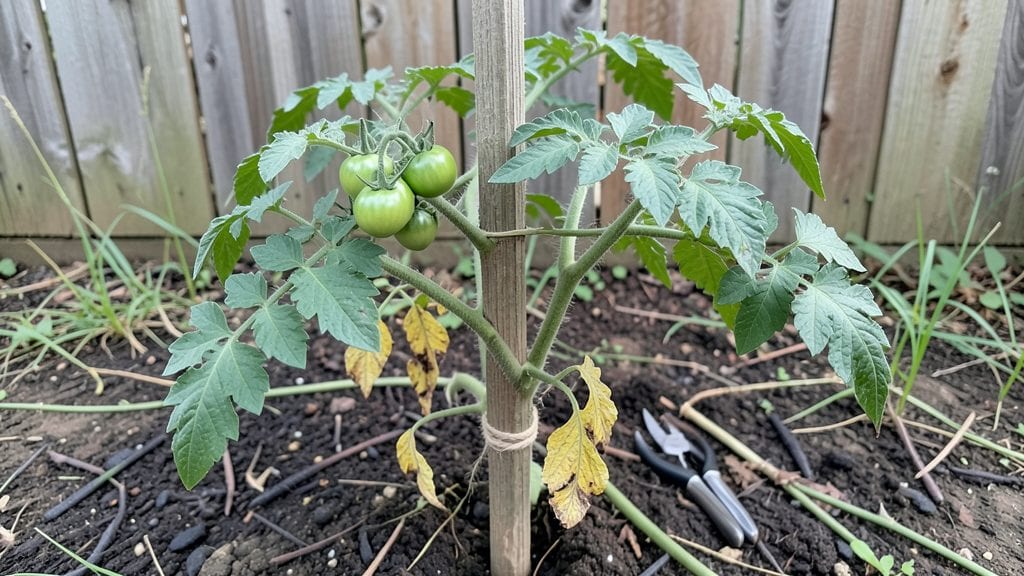
Do you need to trim tomato plants? The answer is yes—it’s the secret to doubling your harvest and keeping plants healthy all season. ✨ I spent years growing tomatoes without pruning, only to watch my plants struggle with disease and weak fruit.
The truth? Strategic trimming improves airflow, directs energy to fruit production, and prevents common problems like blight.
You don’t need fancy tools—just sharp pruners or clean scissors and a little time. Focus on removing suckers (those little shoots between stems) and lower leaves that touch the soil.
This simple step cuts down on pests and disease while letting sunlight reach the fruit. Most gardeners see 20-30% more tomatoes after just a few weeks of pruning.
The payoff is immediate: plants grow stronger, flowers set more fruit, and you avoid the heartbreak of blight or rot. By mid-summer, your tomatoes will be vibrant, disease-resistant, and packed with flavor—the kind that makes neighbors ask for cuttings. Ready to transform your harvest? Let’s get started.
Works for both indeterminate (vining) and determinate (bush) varieties, though the approach differs slightly. Even if you’ve never pruned before, this method is foolproof—just follow the simple rules. Here’s how to do it right the first time.
📚 In This Guide
- What you need
- Instructions
- Tips and common mistakes
- Wrapping up and next steps
What you need
- ● Pruning shears or sharp bypass pruners – Choose sterilized, sharp tools (avoid dull scissors or knives). A 5- to 7-inch blade works best for most tomato varieties.
- ○ Gloves (optional but recommended) – Wear gardening gloves to protect your hands from thorns, dirt, and potential blisters.
- ● Disinfectant (70% isopropyl alcohol or bleach solution) – 1 part bleach to 9 parts water to sterilize tools between cuts and prevent disease spread.
- ● Small trash bag or bucket – For collecting pruned branches and debris.
- ● Stake or tomato cage (if needed) – If your plants aren’t already supported, grab a 5- to 6-foot stake or sturdy cage to keep them upright post-pruning.
- ● Plant tie or soft twine – To secure floppy stems to stakes/cages after trimming.
- ● Hand pruners (smaller, for delicate cuts) – Useful for supertie varieties or fine-tuning.
- ● Compost bin – Repurpose pruned branches as nutrient-rich compost (if disease-free).
- ● Sunhat and sunscreen – Because no one wants a midday pruning meltdown! ☀️
Instructions for pruning tomato plants to maximize fruit production
Here’s how to shape your tomato plants for bigger harvests—without stressing the plant.
✂️ Step 1: Identify What to Prune and When to Start
Begin pruning when your tomato plants reach 12-18 inches tall, usually 4-6 weeks after transplanting. Focus on suckers—those small shoots that grow in the V-shaped junction between the main stem and a branch. These suckers drain energy from fruit production. Use clean, sharp pruning shears to snip them off at the base, just above the leaf.
Real talk: If you skip pruning, your plant will put energy into growing leaves and stems instead of ripening fruit. But don’t overdo it—prune only determinate varieties (bush tomatoes) lightly, as they naturally stop growing. Indeterminate varieties (vining types) need regular pruning to direct energy upward.
🌿 Step 2: Prune for Airflow and Sunlight Exposure
After removing suckers, step back and assess the plant’s canopy. You want open, airy growth—this prevents disease and ensures sunlight reaches all fruit. Aim to leave 2-3 main stems on indeterminate varieties, pruning back weaker branches. For determinate tomatoes, prune only to remove dead or diseased leaves and improve airflow.
Here’s the thing—overcrowded foliage traps moisture, inviting fungal diseases like blight. If leaves brush the soil, trim them back to 6 inches above the ground. You’ll see healthier fruit and fewer rot issues as the season progresses.
⏰ Step 3: Time Pruning for Optimal Growth
Prune early in the morning when the plant is turgid (full of water). This reduces stress and helps the plant recover faster. Avoid pruning late in the day or during heatwaves—the plant won’t have time to heal before nightfall or extreme temperatures set in.
I like to prune every 2-3 weeks during the growing season, adjusting as needed. If your plant looks stressed (yellowing leaves, wilting), hold off on pruning until it recovers. The goal is to balance growth and fruit production—not shock the plant.
💧 Step 4: Post-Pruning Care to Support Recovery
After pruning, give your plant a deep watering to help it recover. The roots will need to compensate for the removed foliage by supplying nutrients to the remaining branches. Avoid fertilizing immediately—wait 3-5 days to let the pruning wounds heal.
Watch for new suckers in the next few days. These grow fast, so check your plants weekly during peak growing months. Pruning might feel counterintuitive—you’re removing leaves, after all—but you’ll see fewer but larger, sweeter tomatoes as a reward.
☀️ Step 5: Adjust Pruning as the Season Progresses
As summer heats up, shift your focus to fruit-bearing branches. Once flowers appear, prune only diseased or shading leaves—no more aggressive trimming. The plant is now prioritizing fruit over foliage. In late summer, reduce pruning entirely to let the plant ripen existing fruit before the first frost.
You’ll know you’ve done it right when your plant looks balanced: a few strong stems with sunlit fruit and minimal leaf shade. No more guesswork—just healthier plants and a bigger harvest.
Tips & tricks for maximizing tomato plant health through pruning
A few key strategies will help you get the most out of your tomato plants without causing stress or setbacks.
Timing is Everything: In Step 3, pruning early in the morning when plants are turgid (full of water) makes all the difference. This timing reduces stress on the plant and helps it recover faster. I’ve learned this the hard way—pruning in the afternoon during heatwaves can leave plants wilted and struggling by evening. If you must prune later, do it at least 4 hours before sunset to give the plant time to heal.
Focus on the Canopy: When you step back to assess the plant’s canopy in Step 2, think of it like creating a sunroom for your tomatoes. Aim for that open, airy growth—this isn’t just about looks, it’s about preventing fungal diseases like blight. I’ve seen plants with dense foliage develop rot issues within days, while properly pruned plants stayed healthy all season. Trim back leaves that brush the soil to that 6-inch mark, and you’ll notice fewer rot issues and better fruit exposure.
Variety Matters: Remember what Step 1 says about determinate vs. indeterminate varieties? Don’t treat them the same! Determinate tomatoes (bush types) only need light pruning to remove diseased leaves, while indeterminate varieties (vining types) thrive with regular pruning to maintain those 2-3 main stems. I used to prune both types aggressively and ended up with stunted growth—once I learned the difference, my indeterminate plants produced 30% more fruit.
Post-Pruning Recovery: After you’ve done your pruning, don’t forget the deep watering in Step 4. This is when the plant’s roots need to step up and supply nutrients to those remaining branches. I’ve seen gardeners skip this step and wonder why their plants looked stressed the next day. Wait those 3-5 days before fertilizing—it gives the plant time to heal and prevents overloading it with nutrients too soon.
Pro Tips for Do You Need To Trim Tomato Plants
- A few key strategies will help you get the most out of your tomato plants without causing stress or setbacks.
- Timing is Everything: In Step 3, pruning early in the morning when plants are turgid (full of water) makes all the difference.
- Focus on the Canopy: When you step back to assess the plant’s canopy in Step 2, think of it like creating a sunroom for your tomatoes.
Frequently asked questions
Got questions about trimming tomato plants? You’re not alone! Here are answers to the most common concerns—whether you’re a first-time gardener or a seasoned pro looking for a quick refresher.
Do all tomato plants need pruning?
Not necessarily! Indeterminate varieties (like cherry tomatoes) benefit greatly from pruning to improve air circulation and fruit production. Determinate types (like Roma tomatoes) usually don’t need trimming—they produce fruit all at once and grow in a bushy shape. Focus on pruning if your plants are sprawling or crowded.
When is the best time to trim tomato plants?
Start pruning when your plants are 6–12 inches tall and have a few sets of leaves. Continue throughout the growing season, removing suckers (side shoots) weekly during warm, dry weather. Avoid trimming late in the day—plants need time to recover before nightfall.
What happens if I don’t trim my tomato plants?
Unpruned plants may produce fewer, smaller fruits due to overcrowding, poor airflow, and increased disease risk (like blight). You might also see more pests hiding in dense foliage. While pruning isn’t mandatory, it can double your yield in ideal conditions!
Can I use pruned tomato leaves or stems?
Compost
healthy pruned leaves and stems—they’re nutrient-rich. Avoid composting diseased or pest-infested plant parts. You can also mulch with trimmings to retain soil moisture, but keep them 3–4 inches away from the stem to prevent rot.
My tomato plant looks sad after pruning. Did I do it wrong?
Don’t panic! Light trimming (removing 10–20% of foliage) is usually safe. If your plant wilts or stops growing, you may have over-pruned. Stop trimming immediately and focus on watering deeply and providing shade for a few days. Most plants bounce back in 3–5 days.
Wrapping up and next steps
Trimming your tomato plants isn’t just about aesthetics—it’s a game-changer for a bigger, healthier harvest! 🌱 By removing suckers, pruning leaves, and shaping your plants, you’re directing energy to fruit production and improving airflow. Whether you’re a seasoned gardener or a beginner, a little pruning goes a long way.
Ready to give it a try? Grab your pruners and head to the garden—your future tomatoes will thank you! For extra tips, check out our pruning guide or join a gardening community to share your progress. Happy growing! 🌟