
Plants
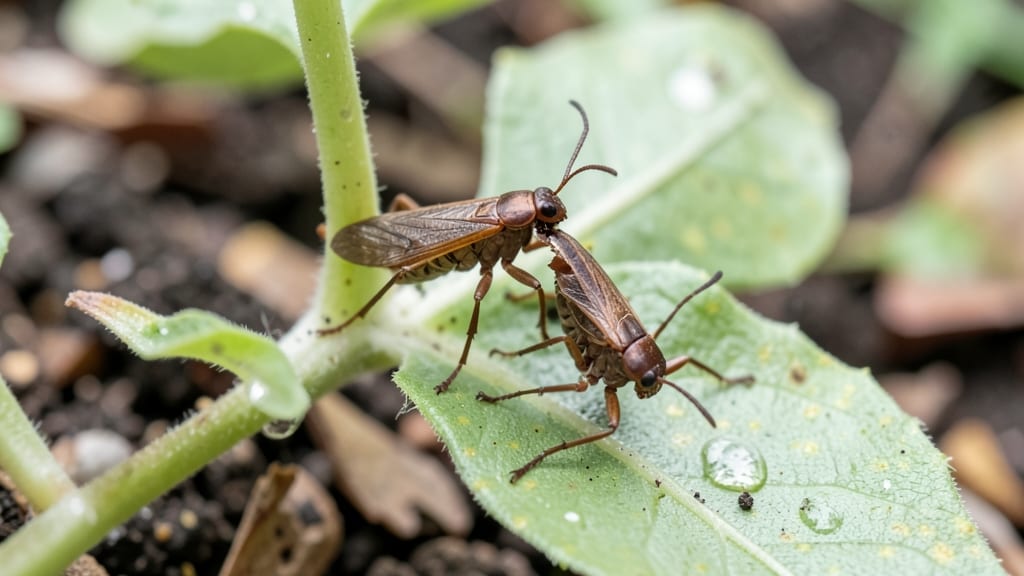
Earwigs eating plants can turn your lush garden into a skeletons of chewed leaves overnight. 🌱 I’ve watched my own marigolds and lettuce get shredded by these armored pests, and I’ll show you how to stop them without harsh chemicals.
The key isn’t just trapping them—it’s creating barriers they can’t cross.
These nocturnal critters love damp, sheltered spots, which means mulch piles, flowerbeds, and under pots are their hideouts. I’ve tested everything from copper tape to crushed eggshells, and the right combination keeps them out while protecting your plants.
You’ll need just a few simple supplies: diatomaceous earth, cardboard traps, and some strategic planting choices.
Within a week, you’ll see new growth where there were holes before. The leaves stay crisp, the flowers bloom undamaged, and you avoid the panic of waking up to a garden buffet. Plus, these methods work for veggies, herbs, and ornamentals alike—no more losing your favorite basil or zucchini blossoms.
Best part? These tricks prevent future infestations, so you won’t have to repeat the process. Let’s get your garden back to thriving without the earwig feast.
Root Causes Of Plant Damage
Earwigs may seem like tiny troublemakers, but their plant-munching habits aren’t random—they’re driven by survival instincts, environmental cues, and even your garden’s layout. Understanding why these pests target your greenery is the first step to outsmarting them. Let’s break down the science behind their behavior.
Earwigs are omnivorous scavengers, meaning they’ll eat almost anything—especially when food is scarce. Their diet includes:
- Decaying plant matter (rotting leaves, fallen fruit, compost piles)
- Living plant tissue (young leaves, flowers, and tender stems)
- Other insects (aphids, mites, and even their own eggs)
When natural food sources dwindle—like after a frost or during drought—they turn to your garden’s healthiest, most tender plants for a quick meal. 💡 Pro Tip: Overripe fruit or mulch piles near plants act like a buffet, drawing them in. Keep these areas clean to reduce temptation.
Earwigs thrive in humid, shaded environments with plenty of hiding spots. Your garden might be their dream home if:
- Soil stays damp (they love mulch, leaf litter, and poorly draining areas)
- Plants are dense or drooping (they squeeze into curled leaves or under flower petals)
- Nighttime temperatures are mild (they’re nocturnal and avoid dry heat)
🔍 Science Note: Earwigs have cerci (pincer-like appendages) that help them roll into protective balls when threatened—making them harder to spot in tight spaces. If your garden has high humidity + hiding spots, they’ll stick around longer.
Earwigs are nighttime feeders, emerging under the cover of darkness to avoid predators like birds and lizards. This means:
- They won’t chew your plants during the day—so daytime damage is usually from other pests.
- They target soft, water-rich plants (like lettuce, basil, or new growth) after dark.
- They retreat to shelter by dawn, making them hard to spot during inspections.
💡 Actionable Insight: If you notice ragged edges on leaves or tiny holes in petals, chances are earwigs are the culprits. Check under leaves or in flower clusters after sunset with a flashlight for signs of activity.
Stressed plants release volatile organic compounds (VOCs) that signal distress—like a dinner bell to earwigs. Common stressors that invite them include:
| Stress Factor | Why Earwigs Target It |
|---|---|
| Drought | Wilting leaves are easier to chew, and the plant’s osmotic pressure makes it more nutritious. |
| Overcrowding | Tight plant spacing creates microclimates with high humidity—ideal earwig real estate. |
| Fungal Infections | Decaying tissue (like powdery mildew) emits chemical cues that earwigs follow. |
🔥 Key Takeaway: Healthy, well-watered plants are less appealing to earwigs. Focus on preventative care (proper watering, spacing, and airflow) to make your garden less inviting.
Now that you know why earwigs are chomping on your plants, the next step is turning the tables with natural barriers and habitat tweaks. Stay tuned!
Stop Earwig Damage Naturally
Discovering that earwigs are munching on your plants can be frustrating, but the good news is that you can take action without resorting to harsh chemicals. The key is to address the problem based on its root cause—whether it’s shelter, food, or moisture—while implementing long-term prevention.
Here’s how to tackle earwigs and protect your garden the natural way.
Earwigs thrive in damp, sheltered spots during the day. If you’ve spotted them near your plants, they’re likely hiding under mulch, rocks, or dense foliage.
- 🍳 Clear Debris Regularly
- Remove leaf litter, mulch, and garden debris from around plants, especially near the soil.
- Flip over pots, boards, or stones where earwigs might be nesting.
- 👨🍳 Loosen Soil & Mulch
- Avoid thick mulch layers—opt for 1–2 inches of organic mulch (like straw or wood chips) and keep it dry.
- Use gravel or coarse bark around plant bases to deter earwigs from burrowing.
- 🥘 Install Physical Barriers
- Place copper tape (earwigs dislike the metal) around raised beds or containers.
- Use diatomaceous earth (food-grade) in a thin band around plants—it dehydrates pests on contact.
Earwigs are opportunistic eaters, feasting on tender leaves, flowers, and decaying plant matter. Starve them out with these strategies:
- 🔪 Prune Damaged Plants
- Trim chewed leaves, wilting flowers, and overripe fruit promptly—these attract earwigs.
- Focus on young, soft growth (like basil, lettuce, and roses), which they love.
- 🌱 Choose Resistant Plants
- Plant earwig-deterrent herbs like mint, thyme, or lavender near vulnerable crops.
- Avoid planting low-growing, moisture-loving plants (e.g., hostas, strawberries) in heavily shaded areas.
- ⏰ Water Wisely
- Earwigs adore damp soil. Water early in the morning so foliage dries quickly.
- Use drip irrigation instead of overhead sprinklers to keep leaves dry.
Once you’ve addressed the immediate issue, these habits will keep earwigs from returning:
- 🌡️ Improve Drainage
- Earwigs love soggy soil. Amend clay-heavy soil with compost or sand to improve drainage.
- Avoid overwatering—stick to 1 inch of water per week (including rainfall).
- 🎯 Introduce Natural Predators
- Encourage birds, lizards, and ground beetles by adding a small birdbath or rock piles to your garden.
- Plant native flowers (like marigolds or sunflowers) to attract beneficial insects.
- ✨ Use Traps Strategically
- Set up beer traps (bury a shallow dish filled with beer near plants—earwigs drown in it).
- Try yellow sticky traps (earwigs are attracted to the color) for monitoring.
Pro Tip: 💡 If earwigs persist, consider neem oil spray (mix 2 tbsp neem oil + 1 tsp mild soap in 1 gallon of water) as a last resort. Spray in the early evening to avoid harming bees.
Frequently asked questions
What plants do earwigs eat most often?
Earwigs love tender, moist plants like lettuce, basil, marigolds, and strawberries. They also target flowers, young seedlings, and stressed plants with wilting leaves. Avoid planting these near shaded, damp areas where earwigs hide.
How do I know if earwigs are damaging my plants?
Look for ragged edges on leaves, tiny holes in petals, or chewed flower buds. Earwigs leave irregular damage (not clean cuts like slugs) and often strike at night. Check under leaves or in curled foliage after dark with a flashlight.
Will diatomaceous earth harm my plants?
No, food-grade diatomaceous earth is safe for plants when used correctly. Just apply a thin layer around plant bases (not directly on leaves) and reapply after watering. It dehydrates earwigs on contact without affecting your greenery.
Can I use beer traps for earwigs?
Yes! Bury a shallow dish filled with beer near plants—earwigs are attracted to the yeast and drown. Refresh the beer every 2-3 days for best results. This method works well but should be used alongside barriers for long-term control.
Why do earwigs keep coming back even after I've treated my garden?
Earwigs are highly mobile and may be coming from neighboring yards, woodpiles, or compost heaps. Focus on preventing entry (copper tape, dry mulch) and removing hiding spots (clear debris, improve drainage). Consistency is key—treatments need 2-3 weeks to show full results.