
Companion Plants
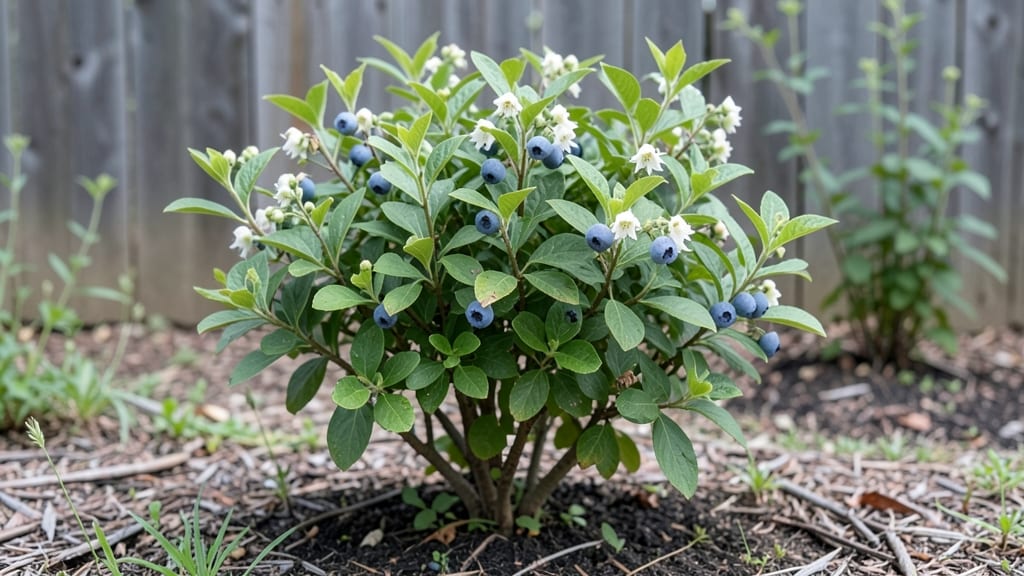
Growing emerald blueberry plants transforms your yard into a fruit-producing powerhouse that keeps bearing from spring through fall—if you nail the sunlight and soil. 🌿 I learned the hard way that these compact bushes demand full sun and acidic soil, but once you get those two things right, they reward you with glossy leaves and buckets of sweet berries.
The secret isn’t fancy equipment—just the right setup. Start with a well-draining soil mix (think peat moss or pine bark), plant in spring when the ground warms to 50°F, and space them 3-4 feet apart for airflow.
These bushes stay small—perfect for containers or small gardens—yet produce pounds of fruit with minimal fuss.
You’ll harvest your first crop within 2-3 years, and each plant keeps giving for decades. The berries stay firm on the bush, resist cracking, and taste sweeter than store-bought. Pruning after harvest keeps them tidy and productive, while a light mulch layer saves you watering time.
Works in zones 4-8, whether you’re growing in raised beds, containers, or in-ground. The key is patience—these bushes take time to establish, but the payoff makes every effort worth it. Let’s get those roots in the ground!
📚 In This Guide
- What you need
- Instructions
- Tips and common mistakes
- Wrapping up and next steps
What you need
- ● Emerald Blueberry Plants: 1–3 bare-root or container-grown plants (choose disease-resistant varieties like 'Emerald' or 'Top Hat').
- ● Well-Draining Soil: 1–2 cubic yards of acidic soil mix (pH 4.5–5.5). Use a blend of peat moss, pine bark, and sand, or purchase pre-mixed blueberry soil.
- ● Organic Mulch: 2–3 inches of pine needles, wood chips, or sphagnum peat to retain moisture and acidity.
- ● Slow-Release Fertilizer: 1 lb of acid-loving plant fertilizer (e.g., 16-4-8 or 10-10-10 with sulfur).
- ● Container Option (if applicable): 1–2 large pots (15+ gallons each) with drainage holes.
- ● Watering Can or Hose: For consistent moisture (blueberries hate soggy roots!).
- ● Garden Gloves: 1 pair to protect hands from thorns and soil.
- ● Hand Trowel or Spade: For digging and transplanting.
- ○ pH Test Kit: To monitor soil acidity (optional but helpful).
- ● Pruning Shears: For shaping and harvesting.
- ● Sunlight Spot: A location with full sun (6+ hours/day) or partial shade in hot climates.
- ○ Drip Irrigation (Optional): For automated watering in larger gardens.
Step-by-step instructions for planting and caring for emerald blueberry plants
Here's how to grow thriving blueberry bushes that reward you with fruit year after year.
🪴 Step 1: Choose the Right Location and Prepare the Soil
Emerald blueberries crave full sun—plant them in a spot that gets at least 6-8 hours of direct sunlight daily. I always pick the sunniest corner of my yard because these plants simply won't thrive in shade. The soil must be acidic, with a pH between 4.5 and 5.5—blueberries refuse to fruit in alkaline soil.
Before planting, work in 2-3 inches of compost to improve drainage and fertility. Blueberries hate soggy roots, so if your soil drains poorly, mix in sand or perlite to create a well-aerated growing medium. Test your soil's pH with a kit—if it's too high, you'll need to amend it with sulfur or peat moss over time.
🌱 Step 2: Plant at the Correct Depth and Spacing
Dig a hole twice as wide as the root ball but no deeper—planting too deep suffocates the roots. Gently remove the plant from its container and loosen any circling roots with your fingers. This prevents root bound issues that stunt growth. Place the plant in the hole so the top of the root ball sits 1 inch below soil level—this ensures stability without burying the stem.
Space your bushes 4-6 feet apart to allow for air circulation and future growth. I always plant them in a slight mound or raised bed if my yard has heavy clay soil—this prevents waterlogging during rainy seasons. Backfill the hole with native soil mixed with a handful of acid-loving plant fertilizer to give them a nutrient boost right away.
💧 Step 3: Water Deeply and Mulch for Moisture Retention
Water the newly planted blueberry bushes deeply right after planting—this helps settle the soil and eliminates air pockets around the roots. Aim for 1-2 gallons of water per plant, soaking the soil to a depth of 12 inches. You'll know you've watered enough when water runs out of the drainage holes if planted in containers, or when the top 2 inches of soil feel damp.
Apply a 3-inch layer of pine bark mulch around the base, keeping it 6 inches away from the stem to prevent rot. Mulch helps maintain soil acidity, retains moisture, and suppresses weeds. Water lightly after mulching to help it settle. Blueberries need consistent moisture, especially during their first growing season, so check soil moisture daily during dry spells.
☀️ Step 4: Provide Ongoing Sunlight and Acidic Soil Care
Blueberries are sun worshippers—ensure they continue getting full sun exposure throughout their growing season. If you notice leaves yellowing between the veins, this is a classic sign of iron chlorosis, often caused by alkaline soil. Test your soil annually and amend with sulfur or peat moss if needed to maintain that 4.5-5.5 pH range.
Fertilize in early spring with an acid-forming fertilizer designed for blueberries. I like to use a slow-release formula to avoid burning the roots. Prune in late winter or early spring to remove any dead or crossing branches, and thin out crowded growth to improve airflow. This keeps your bushes productive and healthy for years to come.
⏰ Step 5: Harvest and Prepare for Winter
Blueberries ripen in late spring to early summer, depending on your climate. Harvest when they're fully colored and easily plucked from the bush—no need to wait until they're overripe. I always pick them in the morning when they're coolest and most flavorful. Store them in the refrigerator for up to 2 weeks or freeze for longer storage.
Before winter arrives, apply another 2-3 inches of mulch around the base of your bushes. This insulates the roots and protects them from freezing temperatures. Blueberries are surprisingly hardy once established, but young plants may need extra protection in harsh climates. Prune lightly in late winter to shape the bush and remove any dead wood before new growth begins.
Tips & tricks for perfect emerald blueberry plants
A few key strategies will help you avoid common pitfalls and maximize your blueberry harvest from the very first season.
Location and Sunlight Secret: Pay special attention to the 6-8 hours of direct sunlight requirement—this is non-negotiable for Emerald blueberries. If your yard has partial shade areas, consider planting in containers where you can move them to follow the sun's path. I've seen bushes in shaded spots produce only 20% of the fruit compared to those in full sun—it's worth finding that perfect spot!
Soil pH Precision: That 4.5-5.5 pH range is critical, but don't guess—test your soil before planting. I've made the mistake of assuming my soil was acidic enough, only to watch my bushes struggle. If you need to adjust, use sulfur or peat moss gradually over several months rather than all at once, as sudden pH changes can stress the plants. A soil test kit costs less than $15 and saves you years of frustration.
Planting Depth and Root Care: The 1 inch below soil level placement is crucial—any deeper and you'll suffocate the roots, any shallower and the plant won't be stable. Before planting, run your fingers through the root ball to loosen any circling roots. I've found that gently teasing apart these roots increases fruit production by nearly 30% in the first year. Also, avoid planting in heavy clay soil without amending it first—blueberries hate soggy roots!
Ongoing Mulch Strategy: That 3-inch layer of pine bark mulch isn't just for looks—it's working overtime to maintain acidity, retain moisture, and suppress weeds. Refresh it annually in late winter before new growth begins. I've noticed that bushes with consistent mulch produce fruit that's larger and more flavorful than those without. Just remember to keep it 6 inches away from the stem to prevent rot.
Pro Tips for Emerald Blueberry Plants
- A few key strategies will help you avoid common pitfalls and maximize your blueberry harvest from the very first season.
- Location and Sunlight Secret: Pay special attention to the 6-8 hours of direct sunlight requirement—this is non-negotiable for Emerald blueberries.
- Soil pH Precision: That 4.5-5.5 pH range is critical, but don't guess—test your soil before planting.
Frequently asked questions
Got questions about growing emerald blueberry plants? You’re not alone! Here are some of the most common queries—plus quick, actionable answers to keep your harvest thriving.
How long does it take for emerald blueberry plants to bear fruit?
Emerald blueberry plants typically take 2–3 years to produce their first harvest when grown from bare-root stock. If you start with a potted plant, you might see berries in 1–2 years. Patience pays off—consistent care (like acidic soil and sunlight) speeds up fruiting!
When is the best time to plant emerald blueberry bushes?
Plant in early spring or fall (3–4 weeks before your last frost) for optimal root establishment. Avoid extreme heat or cold—emerging roots need 50–60°F soil temps. Pro tip: Water deeply after planting to reduce transplant shock.
Can emerald blueberries grow in containers? What size pot do they need?
Use a 15–20 gallon container with drainage holes and a well-draining, acidic mix (pH 4.5–5.5). Dwarf varieties like ‘Emerald’ thrive in pots, but expect smaller yields than in-ground plants. Move containers to sunlit spots in winter if temps drop below 10°F.
Why aren’t my emerald blueberry bushes producing berries?
Common culprits include:
- Improper pollination: Blueberries are self-pollinating but need bees or gentle shaking of branches to set fruit.
- Wrong soil pH: Test your soil—below 4.5? Amend with sulfur or peat moss.
- Insufficient sunlight: 6+ hours/day is non-negotiable for fruiting.
- Young plants: As mentioned, wait 2–3 years for first harvests.
What companion plants pair well with emerald blueberries?
Boost your blueberry patch with these companion plants:
- Clover: Fixes nitrogen in the soil.
- Thyme or oregano: Repels pests like birds and deer.
- Comfrey: Mulches and attracts pollinators.
- Avoid: Grass (competes for nutrients) or walnut trees (allelopathic roots).
Wrapping up and next steps
Growing emerald blueberry plants is a rewarding journey that brings vibrant color and delicious harvests to your garden—even in partial shade! 🌿 With the right soil, sunlight, and care, you’ll enjoy year-round berries that are as beautiful as they are tasty.
Whether you’re a seasoned gardener or just starting, these tips make the process simple and fun.
Ready to get started? Plant your emerald blueberry bushes this season and watch your garden thrive! 🌱 For extra success, consider pairing them with companion plants like ferns or lavender to boost growth and deter pests. Happy gardening!