
Landscaping
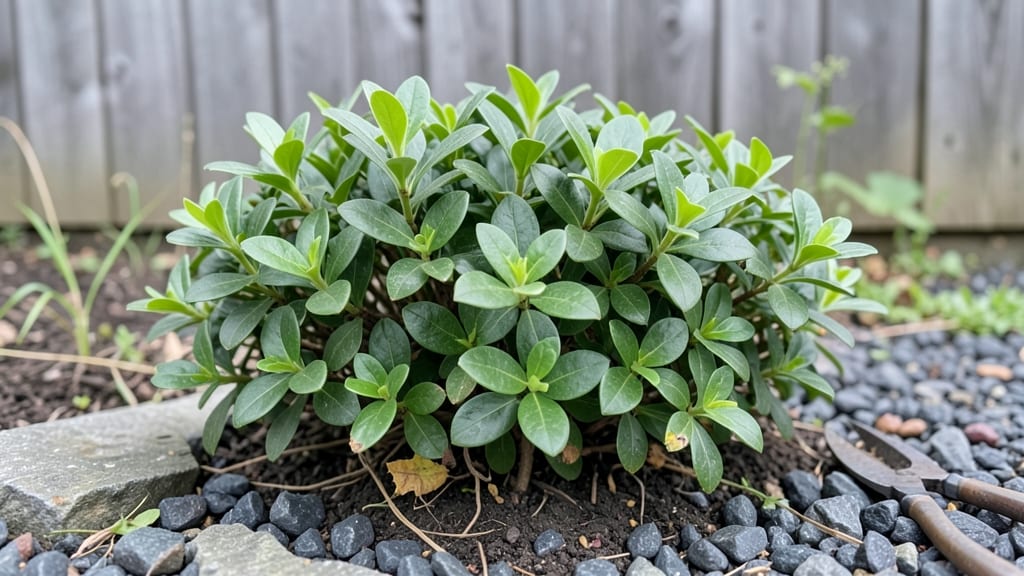
Creating evergreen edging plants that stay lush year-round is easier than you think—no more patchy borders or seasonal replanting.
Tired of seasonal borders that wilt in winter or demand constant attention? Evergreen edging plants offer a permanent solution—lush, structured boundaries that stay vibrant all year with minimal upkeep. These 🌿 workhorses handle frost, drought, and even heavy foot traffic while keeping your garden looking polished.
Whether you’re framing a flower bed, lining a pathway, or adding contrast to a lawn, the right evergreens create clean lines that never fade. They thrive in USDA Zone 6a and beyond, making them perfect for spring planting in April or fall prep in September.
In this guide, I’ll show you how to pick the best varieties for your space, design a border that lasts, and keep it looking sharp with zero fuss—no green thumbs required.
Top 10 low-maintenance evergreen edging plants for every climate
Creating a polished garden border doesn't require constant pruning or seasonal replacements. Low-maintenance evergreen edging plants deliver year-round structure, color, and definition with minimal effort.
Whether you're framing a flower bed, lining a pathway, or defining property lines, these hardy shrubs thrive in diverse climates from USDA Zones 3-10 and tolerate drought once established.
I've selected 10 evergreen varieties that excel in different conditions—from full sun to partial shade—while requiring little to no pruning. These plants offer varied textures and heights, letting you create borders that feel intentional yet effortless.
The key is choosing plants that match your local climate and sunlight exposure.
For quick reference, here's how these top performers compare across critical factors:
| Plant | USDA Zones | Sunlight | Mature Height | Drought Tolerance | Pruning Needs |
|---|---|---|---|---|---|
| Boxwood (Buxus) | 4-9 | Partial shade to full sun | 1-6 ft | Moderate | Light annual shaping |
| Dwarf Alberta Spruce (Picea glauca 'Conica') | 3-7 | Full sun | 4-6 ft | High | Minimal |
| Japanese Holly (Ilex crenata) | 5-8 | Partial shade to full sun | 2-10 ft | Moderate | Light annual shaping |
| Creeping Juniper (Juniperus horizontalis) | 3-9 | Full sun | 1-3 ft | Very high | None |
| Dwarf Yew (Taxus media 'Hicksii') | 5-8 | Partial shade to full sun | 3-5 ft | Moderate | Light annual shaping |
| Emerald Green Arborvitae (Thuja occidentalis 'Smaragd') | 3-8 | Full sun to partial shade | 12-15 ft | High | Minimal |
| Dwarf Gardenia (Gardenia jasminoides) | 8-11 | Partial shade | 2-3 ft | Low | Light pruning after blooms |
| Inkberry Holly (Ilex glabra) | 5-9 | Full sun to partial shade | 6-12 ft | Moderate | Minimal |
| Dwarf Lilac (Syringa meyeri 'Palibin') | 4-8 | Full sun | 3-5 ft | Moderate | Light pruning after blooms |
| Dwarf Mugo Pine (Pinus mugo) | 3-7 | Full sun | 2-5 ft | Very high |
How to design a fuss-free evergreen border: step-by-step guideA fuss-free evergreen border starts with the right plant selection and strategic layout planning. Unlike seasonal flowers, evergreens provide year-round structure while requiring minimal maintenance. The key is balancing height variation, texture contrast, and pruning discipline to keep edges sharp without overworking. For example, pairing dwarf boxwood (1-2 ft) with creeping juniper (6-12 in) creates visual interest while maintaining a clean line. Start small—test a 3-foot section before committing to a full border. Before planting, sketch your border on graph paper, marking existing structures like pathways or fences. Measure mature plant widths (not container sizes) to avoid crowding. For instance, a 3-foot-tall boxwood needs 3-4 feet of space between plants at maturity. Use spacers or stakes during planting to maintain even gaps. Pro tip: Plant taller varieties at the back and shorter ones at the front to create depth. This layered approach hides soil and adds dimension without extra effort. Step-by-Step Planting & Design Guide
Pruning is where most gardeners trip up, but evergreens are forgiving if you follow a simple schedule. I prune mine twice a year: once in early spring (March) to shape and again in late summer (August) to remove overgrown tips. Always cut just above a leaf node or bud to encourage new growth. Avoid heavy pruning in fall—this stresses plants before winter. For boxwood, a light trim with hand shears keeps edges crisp without thinning out the center. Pairing evergreens with seasonal accents elevates your border from "basic" to "showstopper." For example, plant heuchera (coral bells) at the front for spring color, then swap in ornamental kale in fall. These low-growing perennials add texture and color without overshadowing your evergreens. Just keep them 6-12 inches tall to maintain the border’s clean lines. Mulch with cedar chips to deter weeds and retain moisture—this one step cuts maintenance by 50%. Finally, don’t overlook the power of edging tools. A half-moon edger (for grass) or sharp spade (for mulch) keeps borders crisp in seconds. Run the edger along the inner edge of your plants every 4-6 weeks to prevent grass or mulch from encroaching. For boxwood, a wire edging guide ensures straight lines when pruning. Pro tip: Store tools in a shaded, dry spot to prolong their life—rusty blades make messy cuts. |