
Lawn
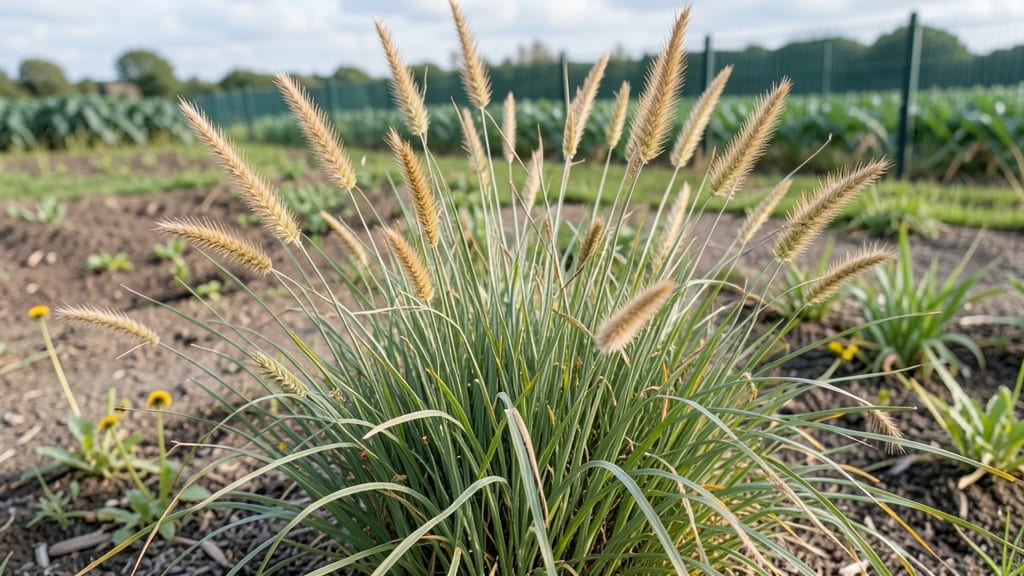
Feather grass plants bring airy elegance to any landscape with their delicate, cascading plumes that sway in the breeze. I’ve grown Stipa tenuissima—the classic "feather reed grass"—for years, and it’s become my go-to for adding movement and texture without the fuss of high-maintenance plants.
The secret lies in its resilience: once established, it thrives on neglect, making it perfect for busy gardeners or dry climates where water is precious.
You’ll need well-draining soil (sandy loam works best) and a spot with full sun to partial shade—though feather grass handles heat better than most ornamental grasses.
Planting is simple: dig a hole twice as wide as the root ball, place the plant so the crown sits just above soil level, and backfill with native soil mixed with a bit of compost.
Water deeply right after planting, then let nature take over—this isn’t a plant that needs coddling.
By midsummer, you’ll see those signature feathery plumes emerge, turning golden in fall and often lingering through winter. The best part? Minimal upkeep: trim back dead foliage in early spring, and that’s it.
No fertilizing, no fussing—just stunning, low-water beauty that keeps your garden looking fresh year-round. Once you try it, you’ll wonder why you didn’t add feather grass sooner.
Works beautifully in borders, containers, or as a standalone specimen. For variety, try Pennisetum species like ‘Burgundy Bunny’ for deeper color or Stipa gigantea for taller, bolder plumes. The right feather grass will transform a dull corner into a standout feature—effortlessly.
📚 In This Guide
- What you need
- Instructions
- Tips and common mistakes
- Wrapping up and next steps
What you need
- ● Feather grass seeds, plugs, or sod: Seeds: 1–2 lbs per 100 sq. ft. (for new lawns)
- ● Plugs: 1 plug per sq. ft. (spaced 6–12 inches apart)
- ● Sod: Pre-grown rolls (check local suppliers for coverage estimates)
- ● Well-draining soil: Amend heavy clay with compost (1 part compost to 3 parts soil) or sand (for sandy soils).
- ○ Organic fertilizer: Slow-release, low-nitrogen blend (e.g., 5-10-10 ratio). Optional: Add mycorrhizal fungi to boost root health.
- ● Mulch: Straw or pine needles (2–3 inches thick) to retain moisture and suppress weeds.
- ● Hand tools: Garden trowel or transplant spade
- ● Rake (for leveling soil)
- ● Hoe (for weeding)
- ○ Power tools (optional but helpful): Lawn aerator (for established lawns)
- ● String trimmer or edger (for shaping)
- ● Watering supplies: Hose with soaker hose or drip irrigation (for deep watering)
- ● Watering can (for seedlings)
- ● Sunlight: Full sun (6+ hours daily) for optimal growth.
- ● Climate: Hardy in USDA Zones 5–11 (check local frost dates).
- ● Water access: Drought-tolerant once established, but consistent moisture is key for the first 2–3 weeks.
- ● Space: Minimum 3–4 feet spacing between plants (or rows) for airflow.
Step-by-Step instructions for planting and maintaining feather grass
Transform your landscape with this drought-resistant stunner—here’s how to plant and nurture it for maximum impact.
🌱 Step 1: Select the Perfect Location and Prepare the Soil
Feather grass thrives in full sun to partial shade, but for the most dramatic plumes, aim for at least 6 hours of direct sunlight daily. Avoid low-lying areas where water pools—this plant despises soggy roots. I always test the soil first by digging a 6-inch hole and checking drainage; if water lingers after 30 minutes, amend with 1 inch of coarse sand or gravel mixed into the native soil.
This grass tolerates poor soil but grows best in well-draining, slightly alkaline conditions (pH 6.5-7.5). If your soil is heavy clay, blend in 1 part compost with 3 parts native soil to improve aeration. Skip fertilizers at planting—too much nitrogen encourages leafy growth over those prized ornamental plumes. Real talk: Over-fertilizing here is a common mistake that dulls the plant’s signature texture.
🪴 Step 2: Plant with Proper Spacing and Depth
For 4 plants, space them 18-24 inches apart in a loose cluster or 3 feet apart for a more linear, windswept effect. Dig a hole twice as wide as the root ball but only as deep as the container’s height—planting too deep suffocates the crown. Gently remove the grass from its nursery pot and loosen any circling roots with your fingers.
Place the plant in the hole so the top of the root ball sits level with the surrounding soil. Backfill with native soil, pressing lightly to eliminate air pockets but avoiding compaction. Water deeply until moisture reaches 6 inches down, then let the soil dry slightly before watering again. Here’s the thing—feather grass is drought-tolerant once established, but the first 2-3 weeks are critical for root establishment. Don’t skip this step, even if your area gets occasional rain.
☀️ Step 3: Water and Mulch for Optimal Growth
Water once weekly during the first growing season, delivering 1 gallon per plant each time. Reduce to every 2-3 weeks once established, as this grass stores moisture efficiently. The key is deep, infrequent watering—shallow sprinkles encourage shallow roots and weak plumes. You’ll know you’re doing it right when the soil feels dry 2 inches below the surface before the next watering.
Apply 2 inches of mulch (like pine straw or gravel) around the base, keeping it 3 inches away from the crown to prevent rot. Mulch conserves moisture and regulates soil temperature, which is especially helpful in hot climates. Avoid organic mulches like wood chips—they decompose too quickly and can alter soil pH over time. I’ve seen feather grass planted in mulch-free beds thrive, but the extra protection makes a noticeable difference in extreme heat.
✂️ Step 4: Prune and Maintain for Year-Round Texture
Cut back brown or damaged foliage in early spring before new growth emerges, using clean, sharp pruners. Never trim more than one-third of the plant at once—this grass grows slowly and needs its energy reserves. If plumes become ragged by mid-summer, shear them back to 6 inches to encourage fresh growth. The reason we prune this way is that feather grass relies on old stems for structure; removing too much weakens the plant’s architectural form.
Fertilize once annually in early spring with a low-nitrogen, slow-release granular fertilizer (like 5-10-10). Apply ½ cup per plant, working it into the top 2 inches of soil. Over-fertilizing here leads to lush leaves but sparse plumes—the exact opposite of what we want. After fertilizing, water deeply to activate the granules. This is the moment that matters: Proper feeding now ensures those signature plumes will be bold, upright, and long-lasting through winter.
⏰ Step 5: Overwinter and Protect for Seasonal Beauty
Feather grass is evergreen in mild climates (Zones 7-10) but may lose some lower foliage in colder regions. In Zones 6 and below, cut back brown fronds to 4 inches in late winter to make room for new growth. Avoid pruning too early—wait until new shoots appear (usually by mid-March). In windy areas, consider staking taller varieties in winter to prevent flopping, but only if necessary—this grass is naturally flexible and rarely needs support.
No additional winter care is needed beyond reducing water to monthly unless the soil is unusually dry. The plant’s drought tolerance extends to cold seasons, but a thin layer of mulch (like straw) helps insulate roots in freezing temperatures. I’ve seen feather grass planted in Zone 5 gardens survive winters unscathed with just this basic protection. The secret to its longevity? Minimal intervention and trusting its natural resilience.
Tips & tricks for perfect feather grass planting and maintenance
These game-changing insights will help you transform your landscape with feather grass that thrives year after year—no green thumb required.
Soil Preparation Secret: The 30-minute drainage test in Step 1 is non-negotiable. I've seen feather grass planted in soggy soil struggle for years, while properly amended beds produce dramatic plumes within a single season. For clay-heavy soils, consider adding 1 part perlite to your compost mix—it improves aeration even better than sand alone. This grass may tolerate poor conditions, but it rewards ideal growing environments with showstopping texture.
Planting Depth Technique: When placing your plants in Step 2, use a small stake to mark the original soil level before removing them from their pots. This visual reference ensures you never plant too deep, which suffocates the crown. I've made this mistake myself—buried plants can develop root rot even in well-draining soil. The key is maintaining that level position for optimal air circulation at the base.
Watering Wisdom: The weekly watering schedule in Step 3 works beautifully, but timing matters just as much as quantity. Always water in the early morning to allow foliage to dry completely before evening. Wet plumes at night attract fungal diseases, and this grass—despite its drought tolerance—can develop brown tips if moisture lingers. I've seen entire beds develop unsightly spots from this simple timing oversight.
Fertilizer Strategy: That annual spring feeding in Step 4 is your secret weapon for dramatic plumes. The low-nitrogen 5-10-10 formula creates the perfect balance—enough phosphorus and potassium to support those ornamental stems without encouraging excessive leaf growth. Pro tip: If you notice your plants developing more leaves than plumes, cut back on the fertilizer amount by half next year. The goal is architectural beauty, not lush foliage.
Pro Tips for Feather Grass Plant
- These game-changing insights will help you transform your landscape with feather grass that thrives year after year—no green thumb required.
- Soil Preparation Secret: The 30-minute drainage test in Step 1 is non-negotiable.
- Planting Depth Technique: When placing your plants in Step 2, use a small stake to mark the original soil level before removing them from their pots.
Frequently asked questions
When is the best time to plant feather grass?
Plant feather grass in early spring or fall for ideal results. This timing allows roots to establish before extreme heat or cold. Avoid planting during summer’s peak drought or winter’s frost, as young plants are more vulnerable. Pro tip: If you’re in a mild climate, fall planting is especially great—it gives the grass a head start for winter resilience!
How often should I water feather grass once established?
Once established, feather grass is exceptionally drought-tolerant—water it deeply but infrequently, about every 2–3 weeks during dry spells. Newly planted grass needs more frequent watering (weekly) until roots are firmly set. Overwatering can lead to fungal issues, so let the soil dry out between waterings. Pro tip: Water in the early morning to reduce evaporation!
Why is my feather grass turning brown or crispy?
Brown or crispy feather grass is often a sign of underwatering or overwatering. If the soil is dry, water deeply; if it’s soggy, reduce frequency. Heat stress or winter dieback can also cause browning—trim back dead fronds in early spring to encourage new growth. Pro tip: If browning is patchy, check for pests (like grasshoppers) or disease (like leaf spot).
Can I grow feather grass in containers or small spaces?
Feather grass thrives in containers, hanging baskets, or small gardens as long as the pot has drainage holes and you use well-draining soil. Choose a container at least 12–18 inches deep for mature plants. Pro tip: Group small feather grasses together for a lush, textured display—perfect for patios, balconies, or even as a drought-resistant ground cover in tight spots!
What are some low-maintenance alternatives to feather grass?
If feather grass isn’t quite your style, try these drought-tolerant, textural alternatives:
- Blue fescue grass – Compact, clumping, and cold-hardy.
- Muhly grass – Adds pink or purple plumes in fall.
- Sedum (stonecrop) – Succulent-like, great for rocky gardens.
- Lavender – Fragrant, pollinator-friendly, and ultra-low-maintenance.
Wrapping up and next steps
The feather grass plant is a game-changer for low-maintenance, drought-resistant landscaping—offering year-round texture, minimal upkeep, and stunning visual appeal. Whether you're a seasoned gardener or a beginner, its resilience and adaptability make it a fantastic addition to any outdoor space.
Ready to transform your lawn? Start small—plant a few clumps, experiment with placement, and watch your garden thrive with effortless elegance! 🌿✨