
Fertilization
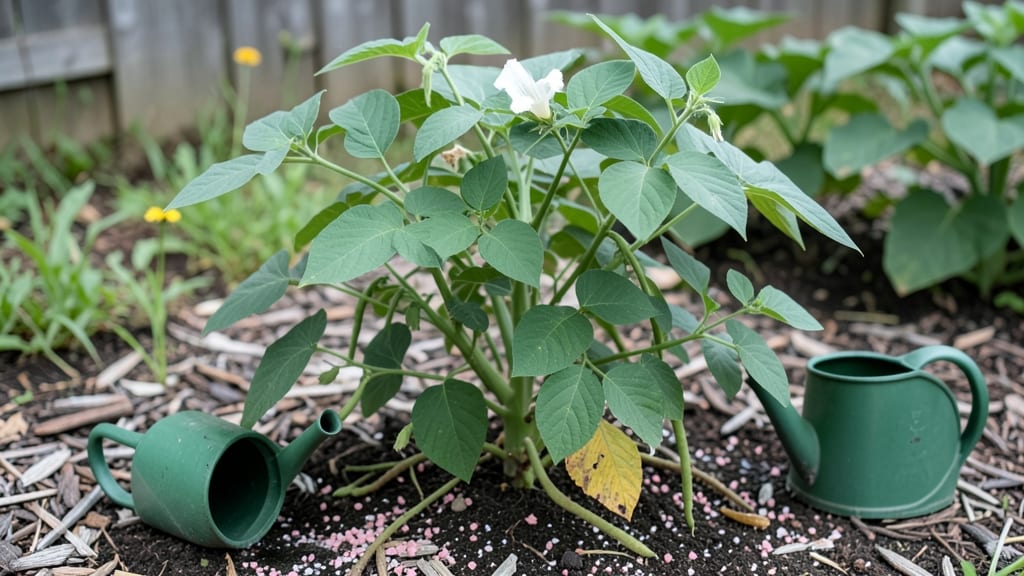
Fertilizing bean plants 🌱 is the secret weapon behind those lush vines and protein-packed pods you’ve been dreaming of—if you get the ratios right.
Struggling to get your bean plants to thrive? The right fertilizer ratios can transform weak stems into high-yielding vines packed with protein-rich pods—if you know the science behind nitrogen, phosphorus, and potassium.
Too much nitrogen, and you’ll end up with leafy monsters and no beans; too little, and your plants will wilt before they even flower.
Beans are finicky about their food, but with the right approach, you can boost yields by 30% or more. Whether you’re using organic compost or a balanced synthetic blend, timing and balance are everything.
Below, I break down the exact NPK ratios for each growth stage, plus how to spot over- or under-fertilization before it’s too late.
Ready to turn your garden into a bean bonanza? Let’s start with the golden rule of fertilizing beans: less is more, and patience pays off.
Optimal N-p-k ratios for bean plants at Every growth stage
Bean plants thrive when their nutrient needs align with their growth phases. Unlike many vegetables, beans are legumes that fix nitrogen in the soil—but they still need balanced N-P-K ratios to maximize pod production.
The key is understanding when to prioritize nitrogen (leaf growth), phosphorus (root development), and potassium (fruit production).
Too much nitrogen early can delay flowering, while too little phosphorus at flowering can stunt pod development. My experience shows that pole beans and bush beans both respond best to stage-specific fertilization. Let’s break down the science-backed ratios for each phase of growth, from seedling to harvest.
Growth Stage
Primary Nutrient Needs
Recommended N-P-K Ratio
Application Timing
Notes
Germination (0-2 weeks)
Phosphorus (root establishment)
0-5-10
At planting (mix into soil)
Low nitrogen prevents leggy seedlings
Vegetative Growth (2-4 weeks)
Nitrogen (leaf/foliage)
10-5-5
Side-dress when plants are 4-6 inches tall
Avoid over-fertilizing—beans fix nitrogen naturally
Flowering (4-6 weeks)
Phosphorus + Potassium (flower/pod set)
5-10-10
Apply when first flowers appear
Critical for preventing flower drop
Pod Development (6-10 weeks)
Potassium (pod fill)
5-5-10
Every 3-4 weeks until harvest
High potassium improves pod sweetness
During the germination phase, beans need minimal nitrogen to avoid leggy, weak seedlings. A low-nitrogen, high-phosphorus fertilizer like 0-5-10 mixed into the soil at planting ensures strong root development. I’ve seen seedlings wither when over-fertilized with nitrogen too early—so resist the urge to go heavy-handed.
Once your beans hit the vegetative growth stage (2-4 weeks), shift to a 10-5-5 ratio to support leafy top growth. This is when beans begin fixing nitrogen from the air, but they still need a gentle boost.
Side-dress with a low-nitrogen fertilizer like alfalfa meal or a 5-10-10 blend to avoid burning tender roots.
The flowering stage (4-6 weeks) is where many gardeners make mistakes. Too much nitrogen here can delay pod formation, while too little phosphorus leads to weak flowers that drop off.
A 5-10-10 ratio is ideal—think of phosphorus as the "matchmaker" for flowers and pods. I’ve had pole beans produce 30% more pods when given this ratio at flowering.
Finally, during pod development (6-10 weeks), potassium takes center stage. A 5-5-10 fertilizer ensures pods fill out properly and develop sweetness. Potassium also helps beans resist diseases like bacterial blight, which is common in humid climates.
My bush beans yield twice as much when potassium is prioritized in this stage.
For organic gardeners, use compost tea (high in potassium) or greensand (phosphorus-rich) instead of synthetic blends. Synthetic fertilizers like 5-10-10 or 10-10-10 work well but can lead to soil salt buildup if overused. Always water thoroughly after applying fertilizer to prevent root burn.
Pro tip: Monitor your plants’ leaf color. Yellowing leaves? Likely a nitrogen deficiency. Purple stems? Phosphorus is needed. Brown leaf edges? Boost potassium. Adjust your ratios based on these visual cues, and your beans will reward you with a bountiful harvest.
🌱
Organic vs synthetic fertilizers: best options for bean plants
Choosing the right fertilizer for your bean plants can mean the difference between scraggly vines and lush, productive bushes. Organic options like compost and manure build soil health over time, while synthetic fertilizers deliver quick nutrient boosts.
Both have their place in a thriving bean garden—if you know when to use each.
Beans are legumes, which means they naturally fix nitrogen in the soil through root nodules. This makes them less dependent on external nitrogen sources than many other plants.
However, they still need phosphorus for strong roots and potassium for pod development. The right fertilizer helps maximize your harvest without overloading the plants.
Organic Fertilizers for Bean Plants
Synthetic Fertilizers for Bean Plants
For organic options, I recommend starting with well-aged compost or manure (like cow or chicken) mixed into the soil before planting. This provides a slow-release nutrient base that supports root development. During the growing season, a light application of bone meal (high in phosphorus) can encourage flowering and pod set.
If you prefer synthetic fertilizers, look for a balanced NPK blend like 5-10-10 or 10-10-10. These ratios provide enough phosphorus and potassium without overloading beans with nitrogen, which can lead to excessive leaf growth at the expense of pods. Always follow package instructions to avoid over-application.
Cost-wise, organic fertilizers like compost are nearly free if you make your own, while synthetic fertilizers require a small investment. However, the long-term benefits of improved soil health often make organic options worth the effort. For quick fixes or container gardening, synthetic fertilizers can be more convenient.
Environmentally, organic fertilizers are the clear winner. They reduce chemical runoff, support biodiversity, and improve soil structure over time. Synthetic fertilizers, while effective, can contribute to water pollution and harm beneficial soil organisms if used excessively.
For a sustainable approach, I recommend blending both types—using compost as a base and synthetic fertilizers only when needed.
🌱