
Diseases
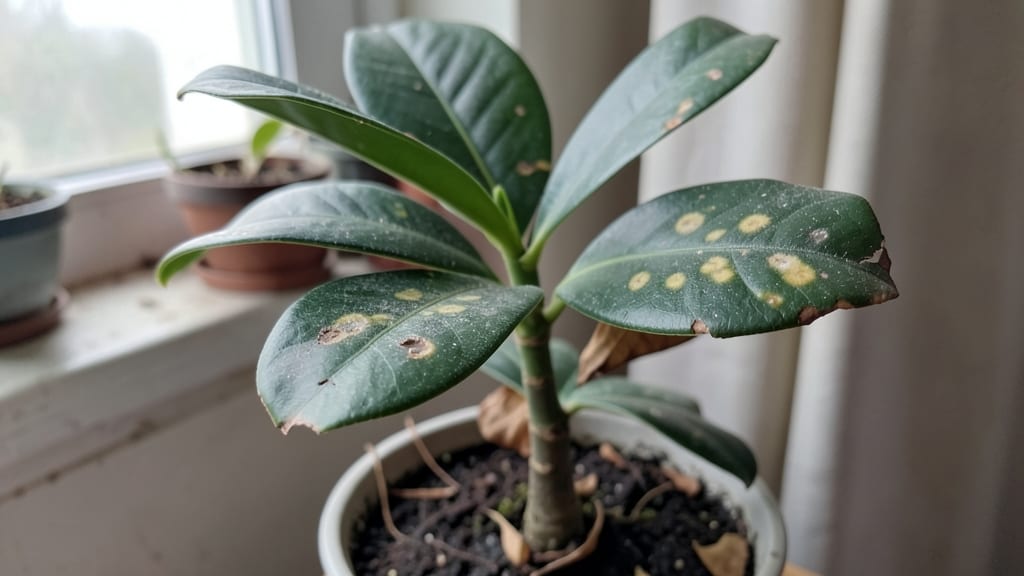
Ficus plant diseases strike fast when you least expect it—yellowing leaves and black spots can turn a thriving houseplant into a sad shadow in just weeks. 🌿 I’ve seen it happen to my beloved rubber plant after a single overwatering session, and the key to saving it was acting within 24 hours of noticing the first signs.
The good news? Most issues respond to simple fixes if you catch them early.
Root rot and fungal infections are the usual culprits, often triggered by soggy soil, poor drainage, or crowded leaves. My ficus started showing black spots after I moved it to a shady corner—turns out, it needed more light and less humidity.
The moment you see discolored leaves or sticky residue on stems, that’s your signal to check the roots and adjust care immediately.
You’ll save your plant by isolating it, trimming affected leaves, and treating with a hydrogen peroxide spray (1 part peroxide to 4 parts water). Within a week, new growth will emerge if you’ve caught it early, and your ficus will bounce back stronger than before.
The secret is consistency—keep the soil slightly dry, wipe leaves regularly, and give it bright, indirect light.
This works for rubber plants, figs, and fiddle-leaf figs alike. Whether you’re dealing with a single leaf spot or full-blown rot, the fixes are the same. Let’s get your ficus back to its lush, healthy self—fast.
Root Causes Of Ficus Leaf Troubles
Ficus plants—like the beloved rubber plant (Ficus elastica) or weeping fig (Ficus benjamina)—are tough, but they’re not immune to stress. When their leaves develop yellowing, black spots, or other unsightly symptoms, the issue almost always traces back to environmental mismatches, biological invaders, or physiological shocks.
Understanding why these problems arise is the first step to fixing them. Let’s break down the science behind the most common culprits.
Ficus plants thrive in stable, tropical-like conditions—think 65–80°F (18–27°C) during the day and a slight dip at night. When temperatures swing wildly (below 50°F/10°C or above 90°F/32°C), or humidity drops below 40%, their leaves react with stress signals:
- Yellowing edges or curling: Low humidity dries out leaf cells, causing plasmolysis (when plant cells lose water and shrink away from their cell walls).
This disrupts chlorophyll production, leading to yellowing. - Black spots or leaf drop: Sudden cold drafts (like AC vents or open windows in winter) trigger oxidative stress, causing necrotic (dead) tissue.
Ficus roots also struggle in cold soil, starving the leaves of nutrients. - 💡 Pro Tip: Use a hygrometer to monitor humidity. Group plants together or use a pebble tray with water to boost moisture. Avoid placing ficus near heaters or air conditioners.
Ficus roots need oxygen—too much water displaces it, leading to anaerobic conditions (a lack of oxygen in the soil). This creates the perfect storm for:
- Yellow leaves with blackened edges: Overwatering causes root rot (Phytophthora or Pythium fungi), which blocks nutrient uptake. The plant sheds leaves to conserve energy. - Mushy stems or foul-smelling soil: Advanced root rot releases volatile organic compounds (VOCs)—that’s the "rotten egg" smell.
The fungus also competes with the plant for resources, starving it. - 🌱 Fix It: Let the top 1–2 inches of soil dry out before watering. Use a well-draining mix (60% potting soil, 30% perlite, 10% orchid bark) and pots with drainage holes.
Ficus plants are susceptible to pathogenic microbes that thrive in damp, stagnant conditions. The most common offenders:
| Disease | Cause | Symptoms | Trigger |
|---|---|---|---|
| Leaf Spot (Cercospora) | Fungal spores (Cercospora ficorum) | Black or brown spots with yellow halos | Overhead watering, high humidity |
| Root Rot (Phytophthora) | Waterlogged soil fungi | Yellowing leaves, mushy stems, foul odor | Poor drainage, overwatering |
| Bacterial Blight | Xanthomonas bacteria | Water-soaked spots, oozing lesions | Contaminated tools, splashing water |
| Powdery Mildew | Erysiphe fungi | White powdery coating, curled leaves | Low light + high humidity |
- 🔥 Prevention: Sterilize pruning tools with 70% isopropyl alcohol. Avoid wetting leaves when watering (use a self-watering pot or drip irrigation). Improve airflow with spacers between plants.
Ficus plants are low-light tolerant but need bright, indirect light (like an east or north-facing window). Extreme light conditions disrupt photosynthesis:
- Yellow patches or bleached leaves: Sunburn occurs when direct sunlight (especially afternoon rays) denatures chlorophyll, turning leaves white or yellow. - Leggy growth or pale leaves: Low light causes etiolation—stems stretch toward light, leaves grow thin, and chlorophyll production drops, leading to pale yellowing. - 🎯 Solution: Rotate your ficus quarter-turns weekly for even light exposure.
Use sheer curtains to diffuse harsh sun. If indoors, supplement with a grow light (12–14 hours/day).
Ficus plants are light feeders, but imbalances in soil nutrients can cause leaf discoloration:
- Yellowing between veins (chlorosis): Iron deficiency (common in alkaline soils) prevents chlorophyll formation.
Older leaves turn yellow first. - Brown leaf tips or crispy edges: Over-fertilization (especially with salt-heavy fertilizers like 20-20-20) burns roots, blocking nutrient uptake. - Purple or red stems/leaves: Phosphorus deficiency (needed for energy transfer) or low light stress. - 💪 Fix It: Use a balanced, slow-release fertilizer (10-10-10) once every 2–3 months.
Flush soil with water monthly to prevent salt buildup. Test soil pH—ficus prefers 6.1–6.5.
While pests like spider mites, mealybugs, or scale don’t directly cause diseases, their feeding weakens the plant, making it vulnerable to infections:
- Yellow stippling or webbing: Spider mites pierce cells to drink sap, causing chlorophyll loss (yellow spots) and stunted growth. - Sticky residue (honeydew) + sooty mold: Sap-sucking pests (aphids, mealybugs) excrete honeydew, which feeds sooty mold fungi, blocking light and turning leaves black. - 🛡️ Defense: Wipe leaves with neem oil or insecticidal soap.
Introduce beneficial insects (like ladybugs) for natural pest control.
Moving a ficus—even to a slightly larger pot—can trigger stress responses:
- Sudden leaf drop: Roots disturbed during repotting can’t absorb water fast enough, causing wilting or yellowing within days. - Blackened leaf edges: Transpiration imbalance (water loss > uptake) after repotting leads to cell death. - ⏰ Recovery Time: Give your ficus 4–6 weeks to adjust.
Water lightly post-transplant and avoid fertilizing until new growth appears.
Quick Fixes for Ficus Leaf Troubles
Now that you’ve identified the root cause of your ficus plant’s distress—whether it’s fungal infections, pests, or environmental stress—it’s time to take action! Below are practical, step-by-step solutions tailored to each common issue, plus prevention tips to keep your plant thriving long-term.
🔥 Remove Infected Foliage
Start by pruning away any leaves with dark spots, yellowing, or powdery coatings. Use sterilized scissors (wipe with rubbing alcohol) to avoid spreading spores. Dispose of the clippings in a sealed bag—do not compost them!
🍳 Fungicide Treatment Mix a natural fungicide using:
- 1 tsp baking soda
- 1 quart water
- A few drops of dish soap (as a surfactant) Spray the solution evenly on both sides of leaves, focusing on undersides where spores hide.
Repeat every 7–10 days until new growth appears.
Pro Tip: 💡 For stubborn cases, try a neem oil spray (1 tsp neem oil + 1 quart water + ½ tsp soap). Neem oil disrupts fungal spores while being pet-safe if your plant is near animals.
🌡️ Adjust Care Routine Fungi love humidity + poor airflow.
Fix this by: - Spacing plants at least 12 inches apart for airflow. - Watering only when the top 1–2 inches of soil are dry (use a moisture meter if unsure). - Wiping leaves with a damp cloth to remove dust (prevents fungal traps).
👨🍳 Manual Removal (For Mealybugs & Scale)
- Cotton swabs dipped in rubbing alcohol (70% or higher) can smother these pests. Gently wipe them off stems and leaf undersides.
- Blast off spider mites with a strong stream of water from the showerhead (they hate this!).
🥘 Insecticidal Soap or Horticultural Oil
Mix 1 tbsp mild castile soap (or 1 tsp insecticidal soap) in 1 quart water. Spray thoroughly, covering all leaf surfaces. For oil treatment, use horticultural oil (follow label instructions) and apply at dusk to avoid leaf burn.
Pro Tip: ✨ Systemic rescue: For severe infestations, use a neem oil drench (1 tbsp neem oil + 1 gallon water) on the soil—roots absorb it, protecting the plant from within.
🔪 Quarantine & Monitor
- Isolate the plant until pests are gone (they spread fast!).
- Check new plants before bringing them home (inspect leaves/stems under bright light).
- Use yellow sticky traps near the plant to catch flying pests like fungus gnats.
💧 Fix Watering Woes
- Overwatering? Let soil dry completely between waterings. Repot in well-draining soil (add perlite or sand).
- Underwatering? Soak the pot in room-temperature water for 20 minutes, then drain. Use a self-watering pot if you travel often.
Pro Tip: 🎯 The finger test: Stick your index finger 1–2 inches deep into the soil. If it’s dry, water; if damp, wait.
☀️ Optimize Light & Airflow
- Move to bright, indirect light (east or north-facing windows are ideal).
- Rotate the plant weekly so all sides get even light.
- Avoid cold drafts (keep away from AC vents, doors, or windows in winter).
🌡️ Humidity Boost
Ficus plants thrive in 40–60% humidity. If your home is dry:
- Group plants together to create a microclimate.
- Use a pebble tray (fill a tray with water and pebbles, place the pot on top).
- Mist leaves lightly (but avoid soggy soil).
| Issue | Prevent It By… |
|---|---|
| Fungal diseases | Water at soil level (not leaves), sterilize tools, improve airflow. |
| Pests | Inspect new plants, wipe leaves regularly, avoid over-fertilizing. |
| Stress | Monitor soil moisture, rotate for even light, avoid temperature swings. |
Final Note: Most ficus issues are easily reversible with quick action! Start with the fixes above, and your plant will bounce back in 2–4 weeks. 🌿 For persistent problems, consider a soil test or consulting a local nursery expert.
Frequently asked questions
What causes sudden black spots on ficus leaves?
Black spots usually signal fungal infections like leaf spot (Cercospora) or powdery mildew. These thrive in damp conditions from overhead watering or poor airflow. Check for yellow halos around spots—this confirms fungal activity. Isolate the plant and treat with a baking soda spray (1 tsp baking soda + 1 quart water + dish soap) every 7 days.
Why are my ficus leaves turning yellow but staying attached?
Yellowing leaves without dropping often mean overwatering or nutrient deficiencies. Check the soil—if it's soggy, you're likely causing root rot. For nutrient issues, yellowing between veins signals iron deficiency (common in alkaline soil). Use a chelated iron supplement or repot with fresh, acidic potting mix (pH 6.1–6.5).
Can I save a ficus with mushy stems and foul-smelling soil?
Yes, but act fast! This is advanced root rot, and you’ll need to prune the roots. Remove the plant from its pot, trim away black/mushy roots with sterilized scissors, and repot in fresh, well-draining soil (60% potting mix + 30% perlite). Water lightly for 2 weeks to prevent reinfection. If over 50% of roots are rotten, propagation from healthy stems may be your best option.
How do I tell if my ficus has pests or a disease?
Pests leave visible signs: sticky residue (honeydew), webbing (spider mites), or cottony clusters (mealybugs). Diseases show as spots, discoloration, or mold without pests. Shake the plant over white paper—tiny moving dots confirm pests. For diseases, check leaf undersides for fungal growth or blackened veins. Treat pests with neem oil; diseases need fungicides.
Will my ficus recover after severe leaf drop?
Recovery depends on the cause. If leaves dropped due to transplant shock or underwatering, new growth should appear in 4–6 weeks with proper care. For disease or pest damage, recovery takes longer—sometimes 2–3 months. Focus on stable conditions: bright indirect light, 40–60% humidity, and consistent watering (let top 1–2 inches dry between waterings).