
Planting
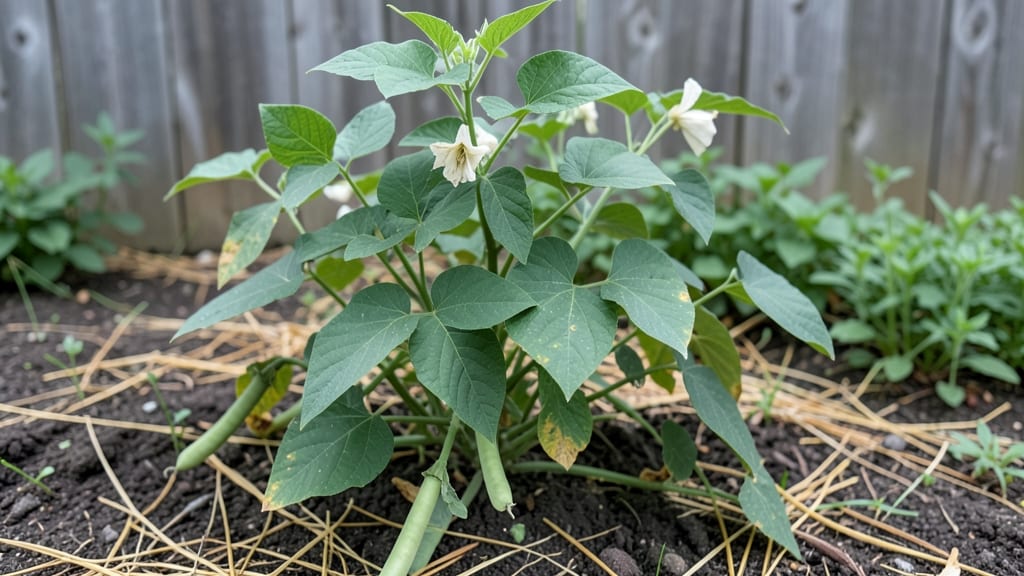
Planting French beans in spring always feels like a race to summer—because in just 60 days, you’ll be snapping fresh pods straight from the vine. 🌱 I learned the hard way that rushing the process (or skipping the soil prep) means skinny beans and fewer harvests, but once you nail these steps, you’ll get bushy plants loaded with tender pods.
The secret starts with soil that drains well but holds moisture—think crumbly, not muddy. French beans thrive in full sun (6+ hours daily), so pick a spot where they won’t get shaded by taller plants.
You can direct-sow seeds after the last frost or transplant young seedlings, but here’s the trick: plant them deep—almost an inch below soil level—to encourage strong roots.
By mid-summer, you’ll be harvesting 1-2 pods per plant daily, and the right spacing (4-6 inches apart for bush beans, wider for pole varieties) keeps air circulating so diseases stay away. Trellising pole beans saves space and makes picking easier—just tie them to sturdy stakes as they climb.
This method works for green, purple, or wax beans, and even beginners get reliable results. The key? Consistent watering (1 inch per week) and regular harvesting to keep production going. Ready to grow your own stash?
📚 In This Guide
- What you need
- Instructions
- Tips and common mistakes
- Wrapping up and next steps
What you need
- ● Seeds: 1–2 lbs of Phaseolus vulgaris (French bean) seeds (choose pole or bush varieties based on space).
- ● Potting Mix or Garden Soil: 5–10 lbs of well-draining, nutrient-rich soil (pH 6.0–7.0). Add compost for extra fertility.
- ● Containers or Garden Bed: For Containers: 5-gallon pots or raised beds (minimum 12" deep for pole beans).
- ● For Garden Beds: A sunny spot (6+ hours of light) with loose, fertile soil.
- ● Watering Can or Hose: With a gentle spray nozzle for even moisture.
- ● Fertilizer: Balanced (10-10-10) or organic options like compost tea or worm castings.
- ● Trellis or Stakes (for pole beans): 6–8 ft tall, sturdy supports (e.g., bamboo stakes or netting).
- ● Garden Gloves – Protect your hands from thorns and dirt.
- ● Pruning Shears – For trimming dead leaves or harvesting.
- ● Mulch (Straw or Grass Clippings) – Retains moisture and suppresses weeds.
- ● Row Covers or Shade Cloth – Protects young plants from pests or extreme heat.
- ● pH Test Kit – Ensures soil is in the ideal range (6.0–7.0).
- ○ Seedling Heat Mat (Optional) – Speeds up germination in cooler climates.
Step-by-step guide to growing French beans in your garden
Here's how to grow bushy, productive French beans from seed to harvest in just two months.
🌱 Step 1: Prepare the Soil and Plant Seeds
French beans thrive in well-draining soil with plenty of organic matter. Work the 2 yards of garden soil and 10 pounds of compost together until the mix is loose and crumbly. You want soil that feels like a damp sponge—not too compacted, but not powdery either. I like to add a handful of wood ash (about 1 cup) to each planting hole to boost phosphorus, which helps roots grow strong.
Scatter 100 seeds in rows spaced 18 inches apart, planting them 1 inch deep and 3 inches apart within the row. Don't worry about overcrowding early—beans will thin themselves as they grow. Water gently right after planting to settle the soil around the seeds. Here's the thing—French beans germinate best in soil temperatures above 60°F, so wait until all danger of frost has passed before sowing.
☀️ Step 2: Provide Full Sun and Consistent Water
French beans need at least 6 hours of direct sunlight daily to produce well. Choose a spot where they'll get morning sun and afternoon shade if your summers are scorching. I stake mine with 4 bamboo stakes (about 3 feet tall) to support the plants as they grow, tying them loosely with 10 feet of twine as needed.
Water deeply once a week, giving each plant about 1 gallon of water. You'll know it's enough when the soil feels moist 2 inches down—not soggy, just damp. Avoid wetting the leaves, especially in the evening, to prevent fungal diseases. Mulch around the base with 2 yards of straw to keep moisture in and weeds out. This is the moment that matters: consistent moisture keeps pods tender and sweet.
🌿 Step 3: Fertilize and Monitor for Pests
About 3 weeks after planting, when seedlings have 2-3 sets of true leaves, sprinkle 1 cup of 10-10-10 fertilizer around each plant, keeping it 2 inches away from the stem. Gently scratch it into the top inch of soil and water it in. Too much fertilizer now will make the plants leafy but won’t produce pods. I’ve found that a light feeding every 4 weeks keeps the plants happy without going overboard.
Watch for bean beetles or aphids—they love French beans too. If you spot them, spray the undersides of leaves with 1 quart of neem oil mixed with 1 gallon of water. Do this in the early morning so the leaves dry quickly. You’ll see the pests drop off within a day or two. This prevents them from stunting your plants before harvest.
✂️ Step 4: Harvest at Peak Freshness
Start checking for pods 50-60 days after planting. Harvest when beans are 4-6 inches long and still tender—this is when they’re sweetest. Pick every 2-3 days to encourage more production. I use pruning shears to snip the stems cleanly, leaving a small stub. Never pull the pods off; this can damage the plant and reduce future yields.
Store harvested beans in the fridge for up to 5 days or blanch and freeze them for long-term storage. If you let them get too big or dry on the vine, they’ll toughen up and lose flavor. This is the payoff: a steady supply of fresh, homegrown French beans all season long.
Tips & tricks for perfect French bean growth
A few simple strategies will help you grow French beans that thrive from seed to harvest.
Soil Temperature Matters: The 60°F soil temperature requirement is critical for germination. Use a soil thermometer to confirm warmth before planting. If your spring is chilly, consider using black plastic mulch to warm the soil faster. I've found that planting after the last frost date (when soil naturally reaches this temperature) gives the best start.
Seed Spacing Secret: While the instructions call for 3 inches apart within rows, I've noticed that spacing seeds 4 inches apart gives slightly larger plants with more pods—just be prepared to thin seedlings if they get crowded. The key is maintaining that 18-inch row spacing to prevent disease spread between plants.
Watering Wisdom: That 1 gallon per week guideline works for established plants, but newly planted seeds need daily moisture until they sprout. Keep the soil consistently damp (not soggy) during the first two weeks. I water in the morning so leaves have time to dry, which helps prevent fungal issues mentioned in Step 2.
Harvest Timing Tip: The 50-60 day window for harvest is flexible—start checking at day 45 if your climate is warm. Pick every 2-3 days to encourage new growth, but don't wait past 6 inches or the beans become stringy. I've found that harvesting in the cool morning hours preserves sweetness best.
Pro Tips for French Beans Plant
- A few simple strategies will help you grow French beans that thrive from seed to harvest.
- Soil Temperature Matters: The 60°F soil temperature requirement is critical for germination.
- The key is maintaining that 18-inch row spacing to prevent disease spread between plants.
Frequently asked questions
Got questions about growing your own French bean harvest? You’re not alone—here are some of the most common queries from gardeners just like you!
How long does it take for French beans to grow from seed?
French beans are fast growers! With the right conditions, you can expect tender pods ready to harvest in just 50–60 days from planting. Pole beans may take a few days longer, but both varieties deliver a quick, satisfying reward for gardeners. Start seeds indoors 2–3 weeks before your last frost for an even earlier harvest.
What’s the best temperature for growing French beans?
French beans thrive in warm soil and air, ideally between 70–80°F (21–27°C). They’re sensitive to cold—never plant seeds until the soil is at least 60°F (15°C). If your spring is chilly, opt for container growing near a sunny wall or wait until late May/June for direct sowing in cooler climates.
Why are my French bean leaves turning yellow or spotted?
Yellowing or spotted leaves are often signs of pests or disease. Check for:
- Bean beetles or aphids: Spray with neem oil or introduce ladybugs.
- Fungal issues (like rust): Improve airflow, avoid overhead watering, and remove affected plants.
- Overwatering: French beans prefer consistently moist but well-drained soil—never soggy.
Rotate crops annually to prevent soil-borne problems.
Can I grow French beans in containers or small spaces?
French beans are perfect for containers—just choose a pot at least 12 inches deep (deeper for pole beans). Use a lightweight potting mix with compost, and place the container in full sun (6+ hours/day). Dwarf or bush varieties (like ‘Blue Lake’) are ideal for small spaces or balconies.
How often should I harvest French beans to encourage more production?
Harvesting regularly is the secret to a bountiful crop! Pick beans every 2–3 days when pods are 4–6 inches long but still tender. Overripe beans toughen up and stop the plant from producing more. Pro tip: Harvest in the morning for the freshest, crispest pods!
Wrapping up and next steps
Growing French beans is a rewarding journey that delivers fresh, nutritious pods in just 60 days—perfect for gardeners of all levels! With the right soil, sunlight, and care, you’ll enjoy a bountiful harvest packed with flavor and health benefits.
Whether you’re a beginner or a seasoned gardener, these sun-loving plants are a fantastic addition to your plot.
Ready to dig in? Start by gathering your supplies, pick a sunny spot, and follow the steps to nurture your plants. Soon, you’ll be savoring homegrown beans straight from the vine—what’s not to love? 🌱✨
Next step: Mark your calendar for planting day and get ready to enjoy the fruits (or pods!) of your labor!