
Companion Plants
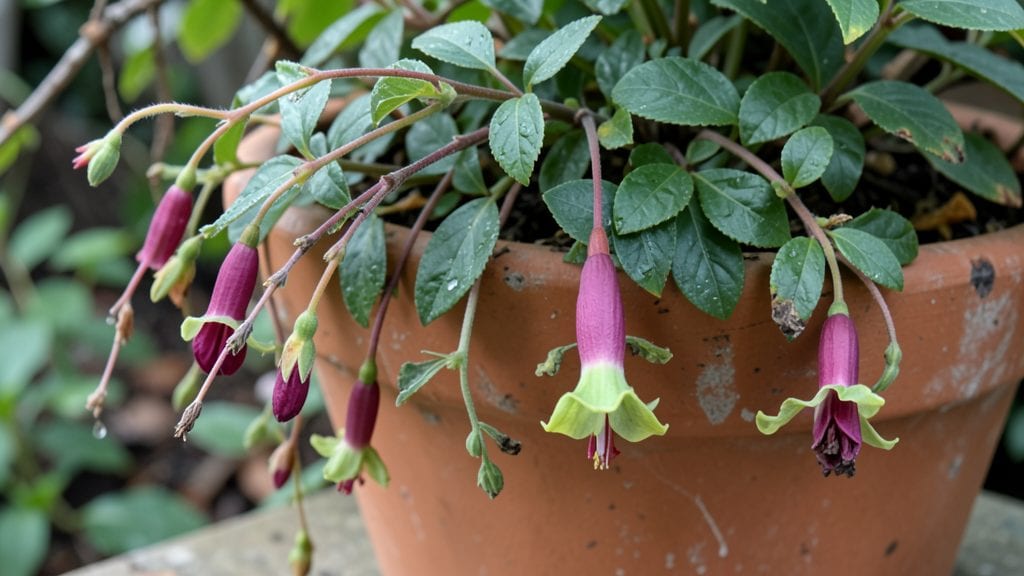
The fuchsia trailing plants you choose will spill into a dazzling, year-round waterfall of color—if you perfect the light, soil, and pruning tricks.
I’ve grown them in everything from bright sunrooms to shaded porches, and the key isn’t just picking the right variety but understanding how they really perform outside their native tropical climates. Most gardeners overwater or under-prune, which is why so many fuchsias flop after just a season. The secret?
Mimicking their natural habitat without babying them.
Start with well-draining potting mix—50% peat or coconut coir, 30% perlite or pumice, and 20% compost—to prevent root rot, their #1 killer. Hang baskets where they get morning sun and afternoon shade (think east-facing windows or dappled shade under trees), and keep them consistently moist but never soggy.
Trailing varieties like ‘Grafton Beauty’ or ‘Lady Thumb’ reward patience with 2- to 3-foot-long stems by midsummer, and with proper care, they’ll rebloom lightly in cooler months too.
Pruning isn’t optional—it’s how you keep them lush and productive. Pinch back leggy stems in spring to encourage bushier growth, and trim spent blooms regularly to prompt new flowers. A light fertilizer (half-strength balanced formula) every 4-6 weeks during growing season keeps them vibrant without burning tender new growth.
The payoff? Baskets so full they spill over like a living curtain, with blooms in every shade from magenta to white, all while repelling pests better than many commercial plants.
These aren’t just pretty faces—they’re low-maintenance workhorses once you get the hang of it. They thrive in containers, along trellises, or even tucked into window boxes, and their nectar-rich flowers attract hummingbirds all season.
The only real challenge is winter care in cold zones, but even that’s manageable with a few simple adjustments. Let’s get those trailing fuchsias growing like they’re on vacation in the tropics.
📚 In This Guide
- What you need
- Instructions
- Tips and common mistakes
- Wrapping up and next steps
What you need
- ● Fuchsia trailing plants: 3–5 plants per hanging basket (choose varieties like Fuchsia ‘Graceland’ or Fuchsia ‘Lady Thumb’ for vibrant blooms).
- ● Hanging baskets: 10–12 inches in diameter with drainage holes (plastic or woven, 1–2 baskets per setup).
- ● Potting mix: 1–2 bags of well-draining, peat-based mix (or add perlite/pumice for aeration).
- ● Slow-release fertilizer: 1–2 pellets or granules (e.g., Osmocote 14-14-14) per basket.
- ○ Compost or worm castings: ½ cup per basket (optional but boosts nutrients!).
- ● Gloves: 1 pair (to protect hands from soil and thorns).
- ● Trowel or small shovel: 1 (for planting and mixing soil).
- ● Watering can or hose with gentle spray nozzle: 1 (to avoid disturbing roots).
- ● Scissors or pruners: 1 (sterilized, for trimming dead leaves or leggy stems).
- ○ Mulch (optional): Pine bark or coconut coir (to retain moisture).
- ○ Support stakes (optional): 1–2 bamboo stakes or trellis pieces (for extra height in cascading displays).
Step-by-Step instructions for creating fuchsia trailing baskets
Here's how to craft lush, cascading displays that bloom from spring through frost—no green thumb required.
Select and Prepare the Hanging Baskets
Choose 4-inch diameter hanging baskets lined with coconut coir liners—they retain moisture better than plastic and allow roots to breathe. The liners you have should fit snugly inside each basket, creating a 1-inch border around the edges. This prevents soil from spilling while still accommodating root growth. If your liners are too small, fold the excess inward to create a secure fit.
Before adding soil, soak the liners in warm water for 10 minutes to remove any residual salts. This prevents root burn later. Drain well and place each liner inside a basket, then fill ¾ full with the moistened potting mix. Press down lightly to eliminate air pockets, but don’t compact it—fuchsias hate dense soil. Leave ½ inch of space at the top for watering and future growth.
Plant the Fuchsia Trailing Varieties
Remove each fuchsia plant from its nursery pot and gently tease apart the roots if they’re circling. This encourages outward growth into the basket’s soil. Position one plant per basket near the center, allowing the trailing stems to cascade naturally. The 3-inch spacing between plants ensures they won’t compete for nutrients as they mature.
Dig a hole twice as wide as the root ball but only as deep as the container’s base. Place the plant so the top of the root ball sits ½ inch below the basket’s rim. This prevents soil from washing away during watering. Backfill with potting mix, pressing lightly around the roots to secure the plant without crushing them.
Water and Position for Optimal Growth
Water each basket thoroughly until water drains freely from the bottom. Fuchsias thrive in consistently moist (not soggy) soil, so check moisture daily during warm weather by sticking your finger 1 inch deep—if it feels dry, water again. Avoid overhead watering; instead, water at the base to keep foliage dry and prevent fungal diseases like powdery mildew.
Hang the baskets in a location with morning sun and afternoon shade—fuchsias tolerate 4-6 hours of direct sunlight but burn easily in intense afternoon rays. If your space only offers full sun, position them where they receive dappled light (like under a sheer curtain or near a sheer tree canopy). You’ll see new growth within 2-3 weeks, signaling they’ve acclimated to their new home.
Fertilize and Prune for Continuous Blooms
Apply the balanced liquid fertilizer every 2 weeks during the growing season (spring through fall). Dilute it to half-strength to avoid root burn, and always water the baskets first to prevent fertilizer salts from accumulating. Fuchsias are heavy feeders, so consistent nutrition keeps them blooming prolifically. Reduce feeding in winter to once a month as growth slows.
Pinch back the top set of leaves on each trailing stem when they reach 6 inches to encourage bushier growth. This also redirects energy toward flower production. Deadhead spent blooms by snipping the stem ¼ inch above a leaf node—this prevents seed formation and encourages more flowers. Prune leggy stems in early spring to maintain shape and remove any yellowed or damaged foliage.
Overwinter and Prepare for Next Season
When temperatures drop below 40°F, move the baskets to a bright, cool indoor space (like a sunroom or under grow lights). Reduce watering to every 10-14 days, allowing the top ½ inch of soil to dry between waterings. Avoid fertilizing during dormancy, as this stresses the plants. Check for pests like spider mites or aphids—if found, treat with neem oil and isolate the baskets until the infestation clears.
In late winter (around February), trim back any dead or weak stems to 4-6 inches from the base. This rejuvenates the plant and prepares it for spring growth. Repot into fresh potting mix if the roots have outgrown the liner, and resume regular care. You’ll notice new shoots within 3-4 weeks, signaling it’s ready for another vibrant season.
Tips & tricks for perfect fuchsia trailing baskets
Creating stunning fuchsia displays requires attention to detail—here are the insights that'll help you avoid common pitfalls and maximize those cascading blooms.
Soil Preparation Matters: In Step 1, when soaking the coconut coir liners for 10 minutes, use water that's comfortably warm to the touch—not scalding. This removes residual salts without damaging the fibers. After draining, gently squeeze out excess water by hand rather than wringing, which can compact the liner. The goal is moistened soil that mimics the plant's natural environment, where roots can breathe while retaining adequate moisture.
Root Management Technique: During Step 2, when teasing apart circling roots, work gently but deliberately—you're not trying to break them, just encourage outward growth. I've found that using a chopstick or clean pencil helps separate stubborn roots without causing damage. Positioning the plant so its root ball sits just ½ inch below the basket rim creates that perfect balance: enough stability to prevent toppling while allowing water to drain freely without washing soil away.
Light Positioning Strategy: The 4-6 hours of morning sun specified in Step 3 is crucial for photosynthesis without risking scorching. If your space only offers full sun, create dappled light by positioning baskets under sheer curtains or near lattice screens. I've noticed that baskets placed near east-facing windows receive ideal light conditions—bright morning rays followed by gentle afternoon shade. This mimics the plant's natural preference for filtered sunlight in its native tropical habitats.
Winter Care Precision: When temperatures drop below 40°F, the transition to indoor care requires careful monitoring. I recommend placing baskets near a south-facing window where they receive bright, indirect light—this prevents the leggy growth that occurs with insufficient light. The 10-14 day watering schedule should be adjusted based on your home's humidity; if the air feels dry, you might need to water every 7-10 days instead of stretching to 14.
Pro Tips for Fuchsia Trailing Plants
- Creating stunning fuchsia displays requires attention to detail—here are the insights that'll help you avoid common pitfalls and maximize those cascading blooms.
- Soil Preparation Matters: In Step 1, when soaking the coconut coir liners for 10 minutes, use water that's comfortably warm to the touch—not scalding.
- Root Management Technique: During Step 2, when teasing apart circling roots, work gently but deliberately—you're not trying to break them, just encourage outward growth.
Frequently asked questions
Got questions about growing fuchsia trailing plants? You’re not alone!
Here are answers to the most common queries—from care tips to troubleshooting—so you can keep your hanging baskets bursting with color all year.
How do I encourage my fuchsia trailing plants to bloom more?
Fuchsias love bright, indirect light (think morning sun or dappled shade) and regular feeding. Use a balanced liquid fertilizer every 2–3 weeks during spring and summer. Prune leggy stems to redirect energy to flowering. Pro tip: Deadhead spent blooms to encourage new growth!
When is the best time to plant fuchsia trailing plants?
For year-round color, plant in early spring (after the last frost) or late summer (for fall/winter blooms). If using hanging baskets, wait until nighttime temps stay above 50°F (10°C) to avoid frost damage. Bonus: Start seeds indoors 8–10 weeks before your last frost date for an early jumpstart!
How often should I water fuchsia trailing plants?
Keep soil consistently moist but not soggy—fuchsias hate drought stress! Water when the top inch of soil feels dry, aiming for 1–2 times daily in hot weather (morning/evening). Hanging baskets dry out faster, so check them frequently. Warning: Avoid wetting leaves to prevent fungal diseases like powdery mildew.
Why are my fuchsia leaves turning yellow or dropping?
Yellow leaves often signal overwatering or root rot, but they can also mean underwatering or nutrient deficiency. Check soil moisture and drainage first. If roots smell rotten, repot in fresh, well-draining mix. Quick fix: Trim affected leaves and adjust your watering routine.
What are some low-maintenance alternatives to fuchsia trailing plants?
If fuchsias feel too fussy, try these easy-care trailing beauties:
- Begonias (e.g., Begonia boliviensis): Thrives in shade, drought-tolerant once established.
- Lobelia: Compact, blue/purple blooms; loves moist soil and partial sun.
- Sweet potato vine: Fast-growing, heat-loving, and comes in vibrant colors (no flowers, but stunning foliage!).
- Calibrachoa: "Million bells" with tiny petunia-like flowers; great for baskets.
Wrapping up and next steps
Fuchsia trailing plants are a game-changer for adding year-round color and charm to your garden or patio! 🌸 With the right soil, sunlight, and care, these beauties will thrive, transforming any space into a vibrant oasis.
Whether you're a seasoned gardener or just starting out, the key is patience and consistency—your hard work will pay off in stunning, cascading blooms.
Ready to level up your gardening game? Grab your supplies, follow the steps, and watch your hanging baskets burst with life! Next, why not experiment with complementary plants like calibrachoa or petunias to create an even more dazzling display? Happy planting! 🌿✨