
Companion Plants
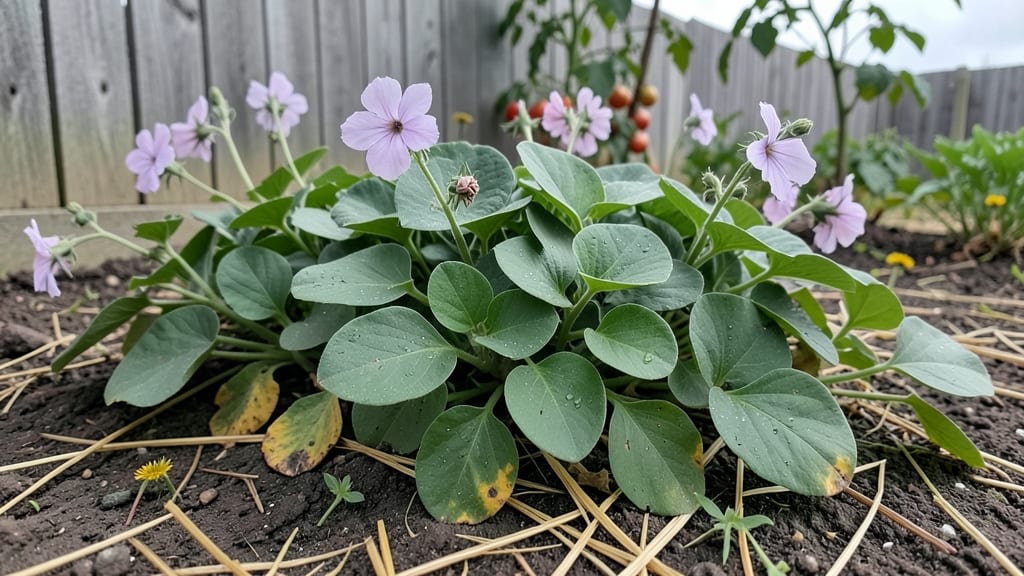
My hanging vinca plants turn every balcony into a splash of purple and green that never quits—even when summer turns into drought. 🌿 The secret lies in how they thrive in containers, where their drought-proof roots and trailing vines create a living waterfall of color without fuss.
I’ve had these same plants flowering since last spring, and they’re about to steal the show again.
You’ll need a sturdy basket with drainage holes, a lightweight potting mix designed for containers, and a spot that gets at least 6 hours of sun daily.
Vincas hate soggy roots, so I use a mix with perlite to keep things airy, and I fertilize lightly every 4-6 weeks during growing season. The real magic happens when you prune back leggy stems after blooms fade—it triggers bushier growth and more flowers.
By midsummer, your vincas will be spilling over the edges in vibrant purple, green, or variegated waves, and they’ll keep going until frost. The best part? They bounce back from neglect—my neighbor’s vincas survived a 3-week heatwave with zero water, and they’re still blooming.
Even in winter, they’ll stay green if you bring them indoors near a sunny window.
Works for small patios, city balconies, or even porch railings. Here’s how to keep them thriving all season long—no green thumb required.
📚 In This Guide
- What you need
- Instructions
- Tips and common mistakes
- Wrapping up and next steps
What you need
- ● Hanging vinca plants (Catharanthus roseus): 3–5 plants per 12-inch hanging basket (for full, cascading coverage)
- ● Variety tip: Choose colors like pink, red, white, or lavender for a pop of color!
- ● Hanging baskets: 12–18 inches in diameter (with drainage holes)
- ● Material: Plastic (lightweight) or woven (breathable)
- ● Potting soil: 1–2 gallons of well-draining potting mix (avoid garden soil—it compacts)
- ● Pro tip: Mix in perlite or orchid bark (20% of the mix) for extra aeration!
- ● Slow-release fertilizer: 1 packet of balanced, water-soluble fertilizer (e.g., 10-10-10 or 20-20-20)
- ● Watering can or spray bottle: With a gentle spray nozzle (to avoid disturbing soil)
- ● Pruning shears: For trimming leggy stems (sterilized with rubbing alcohol)
- ● Gloves: To protect hands from soil and thorns (if using variegated varieties)
- ● Mulch or moss: To retain moisture (e.g., sphagnum moss for a pretty look)
- ● Support stakes: If vincas grow heavy (e.g., lightweight bamboo stakes)
- ● Liquid seaweed or fish emulsion: For a natural boost during blooming season
- ● Sunlight: A spot with 6+ hours of direct sun daily (partial shade works in hot climates)
- ● Drainage: Ensure baskets have holes and saucers to prevent root rot
- ● Watering schedule: Keep soil consistently moist but not soggy (vincas are drought-tolerant once established!)
- ● Patience: Vincas thrive in USDA Zones 10–11 but can be grown as annuals in cooler zones
How to grow thriving hanging vinca plants
Here's the straightforward approach I use to keep vinca blooming all season with minimal fuss.
🪴 Step 1: Choose the Right Hanging Baskets
Vinca thrives in 10-12 inch diameter hanging baskets with multiple drainage holes—the larger the pot, the more resilient your plants will be. I prefer plastic-lined baskets because they retain moisture better than unlined ones, which is crucial for drought-tolerant vinca. Line the basket with coconut fiber liner if using a plastic basket to prevent root circling.
Fill the basket's bottom third with 2-3 inches of moisture-retentive liner material (like hydroponic clay pebbles) to create an air pocket that prevents rot. This is especially important in hot climates where baskets dry out quickly. Don't skip this—root rot will kill vinca faster than anything else.
🌱 Step 2: Prepare Soil and Plant Vinca Correctly
Use well-draining potting mix (never garden soil) mixed with 20% perlite or vermiculite to improve aeration. Vinca hates soggy roots, so this blend prevents waterlogging while still holding enough moisture. Fill the basket to 1 inch below the rim with this mix, leaving room for plants and mulch.
Plant 3-4 vinca plants per 10-inch basket—this creates a full, cascading look while allowing each plant enough space to establish strong roots. Space them 4-6 inches apart at the edges. Dig holes just deep enough to cover the roots completely but no deeper than they were in their nursery pots. Press the soil gently around the roots to eliminate air pockets.
💧 Step 3: Water and Establish a Routine
Water thoroughly right after planting until water runs freely from the drainage holes—this ensures the roots make full contact with the moist soil. After that, vinca prefers dryer conditions, so let the top 1-2 inches of soil dry out between waterings. I check moisture by sticking my finger in—if it feels dry, it's time to water.
Here's the thing—vinca is drought-tolerant, but newly planted baskets dry out faster. For the first 2-3 weeks, water every 2-3 days until the plants show new growth. After that, reduce to every 3-4 days in summer heat. Overwatering is the #1 killer of vinca, so resist the urge to water on a schedule—always check the soil first.
☀️ Step 4: Position for Maximum Blooms
Vinca loves full sun to partial shade—6+ hours of direct sunlight produces the most vibrant blooms. Place baskets where they get morning sun and afternoon shade in hot climates to prevent leaf scorch. If your vinca starts looking pale or leggy, it's getting too little light—move it to a sunnier spot immediately.
Rotate the baskets quarter turn weekly so all sides get even sun exposure. You'll notice plants growing more uniformly and blooming more evenly when you do this. In winter, vinca can tolerate partial shade, but it will bloom less—this is normal and not a sign of trouble.
✂️ Step 5: Maintain and Encourage Continuous Blooms
Deadhead spent blooms weekly to encourage more flowers—this is the secret to vinca's nonstop blooming habit. Simply pinch off faded flowers at the base with your fingers or small pruners. Don't worry about being gentle; vinca is tough and won't mind rough handling.
Fertilize every 4-6 weeks during growing season with a balanced, water-soluble fertilizer (10-10-10 or similar). I mix it at half-strength to avoid burning the plants. Stop fertilizing in late summer to let vinca prepare for winter. In fall, trim back leggy growth by one-third to encourage bushier, more compact plants for next season.
Tips & tricks for thriving hanging vinca plants
These simple tricks will help you get the most vibrant, long-lasting blooms from your vinca—without the guesswork.
Basket Setup Secret: The 2-3 inches of moisture-retentive liner material in Step 1 isn't just about drainage—it's about creating a microclimate that mimics vinca's natural habitat. In hot climates, I add an extra inch of hydroponic clay pebbles to prevent the roots from overheating. This little detail makes all the difference when summer temperatures climb above 90°F.
Soil Mix Matters: When mixing your well-draining potting mix with 20% perlite or vermiculite in Step 2, don't skimp on the perlite. I've found that using 30% perlite in sandy soils prevents waterlogging even better. The key is to create a mix that holds just enough moisture while allowing excess to drain—vinca roots need oxygen as much as water.
Watering Wisdom: For the first 2-3 weeks after planting, I set a timer to check moisture levels every morning. Vinca's drought tolerance kicks in after roots establish, but newly planted baskets dry out surprisingly fast. A good rule of thumb: if the top 1-2 inches of soil feels lighter than the soil below, it's time to water. This finger-check method is more reliable than any schedule.
Sunlight Strategy: That quarter turn weekly rotation in Step 4 isn't just about even growth—it's a way to maximize bloom production. I've noticed that vinca plants exposed to morning sun and afternoon shade develop more vibrant flowers. If you're in a particularly sunny climate, consider moving baskets to partial shade during peak afternoon hours (around 1-4 PM) to prevent leaf scorch while still getting plenty of light.
Pro Tips for Hanging Vinca Plants
- These simple tricks will help you get the most vibrant, long-lasting blooms from your vinca—without the guesswork.
- Basket Setup Secret: The 2-3 inches of moisture-retentive liner material in Step 1 isn't just about drainage—it's about creating a microclimate that mimics vinca's natural habitat.
- Soil Mix Matters: When mixing your well-draining potting mix with 20% perlite or vermiculite in Step 2, don't skimp on the perlite.
Frequently asked questions
Got questions about keeping your hanging vinca plants thriving? You're not alone! Here are some of the most common queries—and their easy, expert-backed answers—so you can enjoy those cascading blooms without the guesswork.
How often should I water my hanging vinca plants?
Water your vincas when the top inch of soil feels dry—usually every 5-7 days in summer or every 1-2 weeks in cooler months. Since they’re drought-tolerant, overwatering is riskier than underwatering. Check soil moisture with your finger, and ensure pots have drainage holes to prevent root rot.
Can hanging vincas survive winter outdoors?
Most vinca varieties (like Vinca minor or Catharanthus roseus) are hardy to USDA Zones 8-11. In colder climates (< Zone 7), bring them indoors or wrap pots in burlap and mulch. If left outside, protect them with frost cloth or move to a sheltered spot. Prune back dead growth in spring to encourage fresh blooms.
Why aren’t my vinca flowers as vibrant as they used to be?
Dull or sparse blooms often signal over-fertilization (too much nitrogen = lush leaves, few flowers) or lack of sunlight. Feed with a balanced, low-nitrogen fertilizer (10-10-10) in spring/summer and ensure they get 6+ hours of sun daily. Deadhead spent blooms to encourage new growth.
What pests commonly attack hanging vincas?
Vincas are tough but may face aphids, spider mites, or whiteflies. Treat mild infestations with a soapy water spray or neem oil. For severe cases, use insecticidal soap. Keep plants healthy with proper spacing (to improve airflow) and regular inspections.
Are there drought-resistant alternatives to vincas?
Yes! If vincas aren’t your style, try these low-maintenance, drought-tolerant hanging plants:
- Lantana – Bright clusters, thrives in heat.
- Petunias – Long bloom season, loves sun.
- Sedum (Stonecrop) – Succulent-like, nearly indestructible.
- Begonias – Shade-tolerant with lush foliage.
Wrapping up and next steps
Hanging vinca plants are the ultimate low-maintenance superstars for year-round color and drought-proof beauty! 🌿 Whether you're a seasoned gardener or just starting, their resilience and vibrant blooms make them a perfect addition to patios, balconies, or window boxes.
With the right care—like well-draining soil, bright light, and occasional pruning—you’ll enjoy stunning cascades of purple, pink, or white flowers without the fuss.
Ready to transform your space? Start with a few vinca plants today and watch your garden thrive with minimal effort—your future self (and your plants!) will thank you. 🌸