
Plants
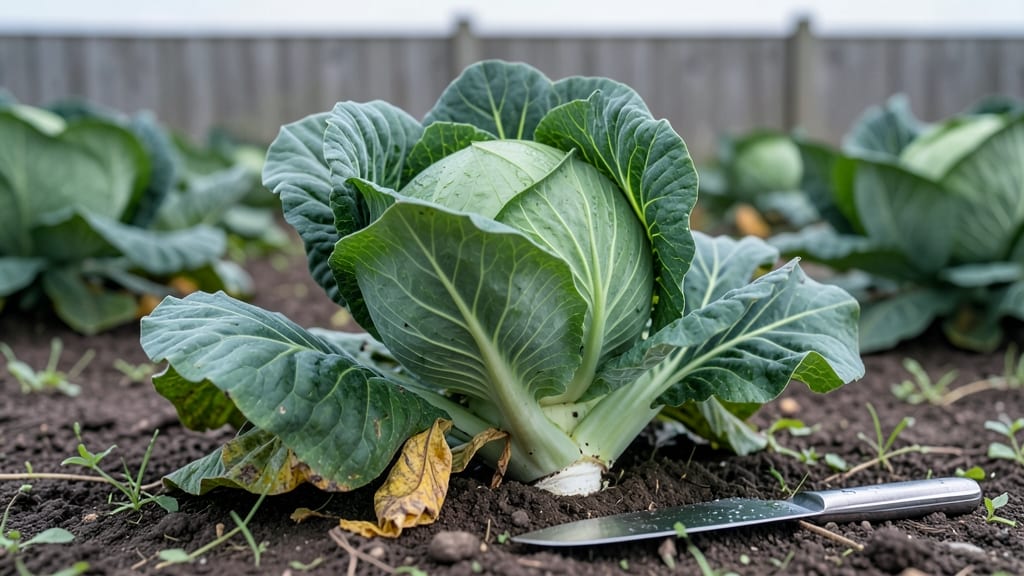
Harvesting cabbage plants at the right time ensures crisp, flavorful heads that store for months 🥬 — and missing that window means tough, bitter leaves or a wasted crop.
Picture this: you’ve nurtured your cabbage through spring showers and late-summer heat, only to watch it bolt or split if you’re just a few days off. The difference between a perfect head and a disappointment often comes down to timing and technique.
In this guide, you’ll learn how to spot the ideal moment to cut—when leaves tighten, color deepens, and the stem snaps cleanly—plus the exact method to avoid bruising or spoilage. Whether you’re storing for winter or prepping for stir-fry, these steps will keep your harvest fresh longer.
From avoiding common mistakes to extending shelf life, we’ll cover everything you need to make the most of your homegrown cabbage plants—no guesswork required.

When to harvest cabbage for peak flavor and storage potential
Harvesting cabbage at the right time ensures maximum flavor and long-term storage potential. The key is watching for visual maturity cues like head firmness, leaf color, and size. Early cabbage varieties mature faster than late varieties, so timing depends on your specific type.
For peak storage life, harvest before heads split or bolt—this keeps them crisp for months.
Cabbage heads reach harvest readiness between 60 to 100 days after planting, but this varies by variety. Green cabbage typically matures in 75 days, while red or savoy types may take slightly longer.
Pay attention to leaf wrapping and stem firmness—these are your best indicators. In cooler climates, fall-planted cabbage often stores better than spring varieties.
Climate adjustments are crucial. In hot summers, cabbage may mature faster and require earlier harvesting to avoid bolting. Conversely, in cool fall seasons, heads develop more slowly. If you're growing in USDA Zone 6a or colder, aim to harvest before the first frost (around October 15) to preserve quality.
Here’s how to spot a perfectly ripe cabbage head:
For year-round growing, stagger plantings every 2-3 weeks to ensure a continuous harvest. Spring cabbage (planted in March-April) matures by June-July, while fall cabbage (planted in August-September) is ready by October-November. This strategy lets you enjoy fresh cabbage even in winter months.
Different cabbage varieties have unique harvest windows. Early varieties like 'Golden Acre' mature in 50-60 days and are best for quick harvests. Late varieties, such as 'Late Flat Dutch', take 90-100 days and store exceptionally well. Always check seed packets for days-to-maturity guidelines to plan accordingly.
One common mistake is harvesting too late, which leads to split heads or bitter flavor. Overripe cabbage also attracts pests like cabbage moths or slugs. To avoid this, monitor your plants daily and harvest when heads are firm but before they split.
If you miss the window, you can still use split heads for fermenting or cooking, but storage life will be shorter.
In container gardening, cabbage heads may mature slightly faster due to limited root space. Use dwarf varieties like 'Miniature Peanut' for pots, and harvest when heads reach 3-5 inches in diameter. These smaller heads store well for 2-3 weeks in the fridge, making them perfect for urban gardeners.
Pro tip: Harvest on a dry morning after dew has evaporated. This reduces rot risk and makes the cutting process cleaner. Use a sharp knife or pruners to sever the stem 1-2 inches above the base. Leave the outer leaves intact to protect the head during storage.
With the right timing, your cabbage can last up to 6 months in a cool, dark root cellar. For shorter-term storage, keep heads in the crisper drawer of your fridge for 3-4 weeks. The key to long storage is harvesting at peak maturity and handling heads with care.
Step-by-step guide to cutting cabbage for long-term storage
Harvesting cabbage at the right time ensures crisp, flavorful heads that store beautifully for months. The key lies in using the correct cutting techniques and post-harvest care to preserve freshness.
Whether you're dealing with green cabbage, red cabbage, or savoy varieties, these steps will help you maximize storage life and minimize waste.
Before you begin, gather your tools: a sharp knife or pruning shears, a bucket for trimming waste, and a clean towel to handle the heads. The way you cut the stem and prepare the head directly impacts how long your cabbage stays fresh in storage.
Let’s walk through the process step-by-step to ensure your harvest lasts all winter.
Step-by-Step Cabbage Harvesting Guide
- Step 1: Choose the Right Tool Use a sharp knife or clean pruning shears to avoid crushing the stem. Dull tools can damage the head and shorten storage life.
- Step 2: Cut the Stem Properly Hold the cabbage head firmly and cut the outer stem about 1-2 inches below the head. Avoid cutting into the head itself to prevent rot.
- Step 3: Trim Outer Leaves Remove any yellowed or damaged outer leaves with your fingers or a knife. Keep only the fresh, crisp inner leaves intact.
- Step 4: Let Heads Dry Place harvested cabbage heads in a shady, dry location for 1-2 hours to allow the cut stems to dry. This step is critical for preventing mold during storage.
- Step 5: Handle by Variety Green cabbage and red cabbage store similarly, but savoy cabbage (with its wrinkled leaves) may need extra care—trim more aggressively to remove damaged areas.
- Step 6: Store Properly Store heads in a cool, dark place (ideal: 32-40°F) with high humidity. Use plastic bags with holes or ventilated crates to maintain freshness.
For long-term storage, consider fermenting or freezing portions of your harvest if you won’t use all the heads. Fermented cabbage (like sauerkraut) is a fantastic way to preserve flavor and nutrients, while freezing chopped cabbage works well for soups and stir-fries.
Always label your stored cabbage with the harvest date to track freshness.
If you notice any soft spots or mold during storage, remove the affected areas immediately and adjust storage conditions. Properly handled, your cabbage can stay fresh for 4-6 months in a root cellar or refrigerator. With these techniques, you’ll enjoy your homegrown cabbage long after the growing season ends.
Remember, the sooner you harvest after maturity, the better the storage life. Don’t let heads sit on the plant too long—they’ll split or bolt, ruining your storage plans. Happy harvesting! 🥬