
Companion Plants
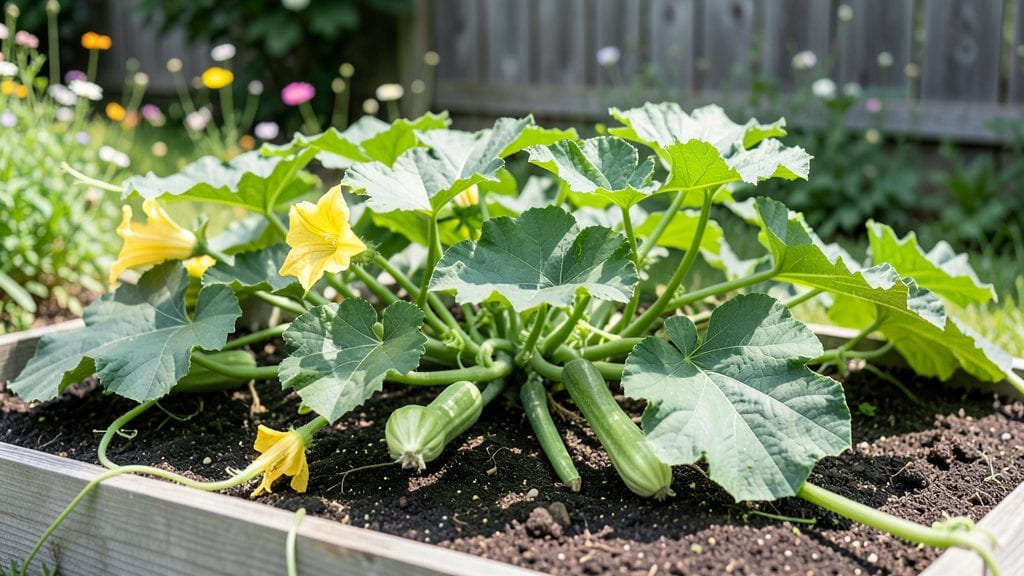
Growing cucuzza squash plants is like inviting a sun-worshipping giant into your garden—one that rewards you with prolific harvests when paired with tomatoes and peppers. 🌿 I learned the hard way that these vines need 6+ hours of direct sunlight daily and rich, well-draining soil to reach their full potential, but the payoff is worth every effort.
The first time I saw those glossy green fruits forming alongside my tomatoes, I knew I’d never buy store-bought squash again.
Start with healthy transplants or seeds sown after your last frost, spacing them 3–4 feet apart to give their sprawling vines room to stretch. These plants are heavy drinkers—1–2 inches of water per week—but mulch helps retain moisture and keeps roots cool.
The real magic happens when you plant them near tomatoes and peppers; the three thrive together, confusing pests and maximizing space in small gardens.
By midsummer, you’ll be harvesting 1–2 pounds of squash per plant weekly, and the flavor? Fresh, sweet, and impossible to resist. The key is consistent care—watch for squash vine borers and cucumber beetles, but a row cover early in the season can save your plants.
Harvest when fruits are firm and 6–8 inches long for the best texture and taste.
This method works for both backyard gardens and container setups, though larger vines may need trellising. Once you master cucuzza squash, you’ll wonder why you ever bought it from the store. Ready to grow your own? Let’s get those plants in the ground!
📚 In This Guide
- What you need
- Instructions
- Tips and common mistakes
- Wrapping up and next steps
What you need
- ● Cucuzza squash seeds: 3–5 seeds per plant (or 1–2 seedlings if transplanting). Look for heirloom varieties like 'Cocozelle' or 'Scallopini'.
- ● Well-draining potting mix or garden soil: 1–2 cubic yards (for in-ground planting) or 5–10 gallons (for containers). Amend with compost for fertility.
- ● Tomato & pepper plants: 1–2 mature plants per cucuzza vine (for companion planting). Choose varieties like 'Roma' tomatoes or 'Jalapeño' peppers.
- ● Garden space: Full sun (6+ hours/day) and 3–5 feet of vertical or horizontal space per vine (they sprawl!).
- ● Watering can or hose: With a gentle spray nozzle to avoid damaging vines.
- ● Fertilizer: Balanced organic fertilizer (10-10-10) or compost tea. Apply every 4–6 weeks.
- ○ Trellis or sturdy stakes: 6–8 feet tall (optional but helps manage vines and improve airflow).
- ● Mulch: Straw or shredded leaves to retain moisture and suppress weeds.
- ● Row covers: Lightweight fabric to protect young plants from pests or cool nights.
- ● Pruning shears: For trimming excessive vines or harvesting.
- ● Drip irrigation system: Automates watering and reduces stress on plants.
- ● Companion plant markers: Labels to track cucuzza, tomatoes, and peppers in your garden layout.
- ● Neem oil or insecticidal soap: For organic pest control (aphids, squash bugs love cucuzza!).
How to grow cucuzza squash plants for a bountiful harvest
Here’s my go-to method for growing these sun-loving vines—perfect for pairing with tomatoes and peppers.
🌱 Step 1: Choose the Right Spot and Prep the Soil
Cucuzza squash thrives in full sun (6-8 hours daily) and warm soil. Pick a spot where it gets plenty of sunlight and has room to spread—these vines can grow 3-5 feet wide. I always test the soil first by digging a 6-inch hole and checking for drainage. If water pools after 10 minutes, amend with 2-3 inches of compost to loosen the soil.
Work in a balanced fertilizer (10-10-10) at planting time to give the plants a strong start. Avoid fresh manure—it can burn tender roots. If your soil is heavy clay, mix in 1-2 inches of coarse sand or perlite to improve aeration. The goal is loose, fertile soil that warms up quickly in spring.
🌱 Step 2: Plant Seeds or Transplants at the Right Time
Wait until the soil temperature reaches 60°F or warmer—cucuzza seeds won’t germinate in cold soil. If you’re starting from seed, plant 1-2 seeds per hill, 1 inch deep, and 3-4 feet apart in rows 4-6 feet apart. Thin to the strongest seedling per hill once they’re 2-3 inches tall—don’t rush this, or you’ll end up with crowded, weak plants.
If using transplants, harden them off for 5-7 days before planting. Set them in the ground at the same depth they were in their containers. Press soil gently around the roots to eliminate air pockets. Water deeply right after planting to settle the soil and encourage root growth. Mulch with 2-3 inches of straw or grass clippings to retain moisture and keep weeds down.
☀️ Step 3: Water and Feed for Maximum Growth
Keep the soil consistently moist but never soggy—cucuzza squash is drought-tolerant once established, but young plants need steady water. Water at the base 1-2 inches per week, aiming for the soil rather than the leaves to prevent disease. I use a soaker hose or drip irrigation to deliver water slowly and evenly, which keeps the vines strong and healthy.
Fertilize every 3-4 weeks with a low-nitrogen, high-potassium fertilizer (5-10-10) to encourage fruit production. Stop fertilizing once the plants start flowering—too much nitrogen at this stage leads to leafy growth instead of squash. Watch for yellowing leaves, which can signal either overwatering or a need for more nutrients. Adjust accordingly.
✂️ Step 4: Prune and Support for a Clean Harvest
Train vines to grow along a trellis or fence if you’re short on space—this keeps the fruit off the ground and reduces disease risk. Use soft ties or old pantyhose to secure the vines without damaging them. Prune any yellow or diseased leaves immediately to keep the plant healthy. I also pinch off the first few flowers to encourage stronger vine growth before the main harvest begins.
Harvest cucuzza squash when the skin is hard and glossy, usually 45-55 days after planting. Use a sharp knife or pruners to cut the squash from the vine, leaving a small stem attached. Check plants every 2-3 days—these squash grow fast, and overripe ones turn bitter. The more you harvest, the more your plants will produce.
🌿 Step 5: Extend the Season and Prevent Common Issues
If frost threatens before the season ends, cover plants with frost cloth or a lightweight row cover to protect them. Cucuzza squash is sensitive to cold, so don’t leave it uncovered overnight if temperatures dip below 50°F. Remove the cover during the day to allow sunlight and airflow.
Watch for squash vine borers—tiny moths that lay eggs on the stems. If you see wilting vines or sawdust-like frass, cut open the stem to check for borers. Treat with neem oil or insecticidal soap as a preventive measure. Rotate crops yearly to avoid soil-borne diseases, and always clean up debris at the end of the season to reduce pest populations.
Tips & tricks for perfect cucuzza squash growth
Here's what I've learned after growing cucuzza squash for years—these tricks make all the difference between a decent harvest and a bountiful one.
Soil Warmth is Everything: The 60°F soil temperature requirement isn't just a suggestion—it's critical for germination. I use a soil thermometer to confirm warmth before planting. If your soil is still cool, wait a few more days rather than risking poor germination. For extra warmth, cover the soil with black plastic mulch for a week before planting to help raise the temperature faster.
Thinning Strategy: When thinning seedlings in Step 2, don't pull them all at once—space it out over 2-3 days. This gives the remaining plants time to adjust to their new space and prevents shock. I also recommend thinning on a cloudy day to reduce stress from sunlight exposure during this vulnerable period.
Watering Wisdom: Those 1-2 inches of water per week need to go deep. I set a rain gauge near my plants to track exactly how much water they're getting. If you're using overhead watering, do it early in the morning so leaves have time to dry before evening—this prevents fungal diseases that love damp foliage.
Harvest Timing: The 45-55 day window is your sweet spot, but don't wait until the last day. Check every 2-3 days starting at 42 days—early harvesting encourages continuous production. I mark my calendar with the planting date and set reminders to check plants regularly. The first few harvests might be small, but they'll grow bigger with each passing week.
Pro Tips for Cucuzza Squash Plants
- Here's what I've learned after growing cucuzza squash for years—these tricks make all the difference between a decent harvest and a bountiful one.
- Soil Warmth is Everything: The 60°F soil temperature requirement isn't just a suggestion—it's critical for germination.
- Thinning Strategy: When thinning seedlings in Step 2, don't pull them all at once—space it out over 2-3 days.
Frequently asked questions
Got questions about growing cucuzza squash plants?
You’re not alone! Here are some of the most common queries—plus quick, actionable answers to help your garden thrive.
How long does it take for cucuzza squash plants to mature?
Cucuzza squash typically matures in 70–90 days from transplanting, depending on your climate and growing conditions. In warmer regions, you might see fruits ready to harvest as early as 60 days. Keep an eye out for the classic cucuzza shape—long, cylindrical, and ribbed—to know when they’re ready!
Can cucuzza squash plants handle heat or cold?
These vines love heat and thrive in temperatures between 70–90°F (21–32°C). However, they’re sensitive to frost and won’t germinate well in cold soil (<50°F/10°C). Start seeds indoors or use row covers early in the season to protect young plants. Once established, they’ll reward you with prolific growth!
Are cucuzza squash plants good companions for tomatoes and peppers?
Cucuzza squash is a fantastic companion for tomatoes and peppers. Their sprawling vines act as natural mulch, retaining soil moisture and suppressing weeds. Plus, they deter pests like squash bugs that might target your peppers. Just give them plenty of space—at least 3–4 feet apart—to avoid crowding.
What are the most common pests or diseases for cucuzza squash?
Watch out for cucumber beetles, squash bugs, and powdery mildew. To prevent issues:
- Use row covers early in the season to block pests.
- Rotate crops yearly to avoid soil-borne diseases.
- Prune leaves for better airflow if mildew appears.
What’s the difference between cucuzza squash and zucchini?
While both are summer squashes, cucuzza has a distinctive elongated shape (like a mini pumpkin) and a milder, nuttier flavor compared to zucchini’s sweeter taste. Cucuzza also stores longer and is often used in Italian and Mediterranean dishes. Try growing both for variety!
Wrapping up and next steps
Growing cucuzza squash plants alongside your tomatoes and peppers isn’t just smart—it’s a game-changer for your garden! 🌱 Their vining nature, pest-repelling prowess, and low-maintenance care make them a must-have companion.
With the right spacing, soil prep, and a little TLC, you’ll soon be harvesting delicious, nutrient-packed squash while boosting your garden’s overall health.
Ready to take the next step? Start by sketching your garden layout—plot your cucuzza squash near your tomato and pepper plants, and watch your harvest thrive! Whether you’re a seasoned gardener or just starting out, this dynamic duo will reward your efforts with bountiful, flavorful results.