
Picking
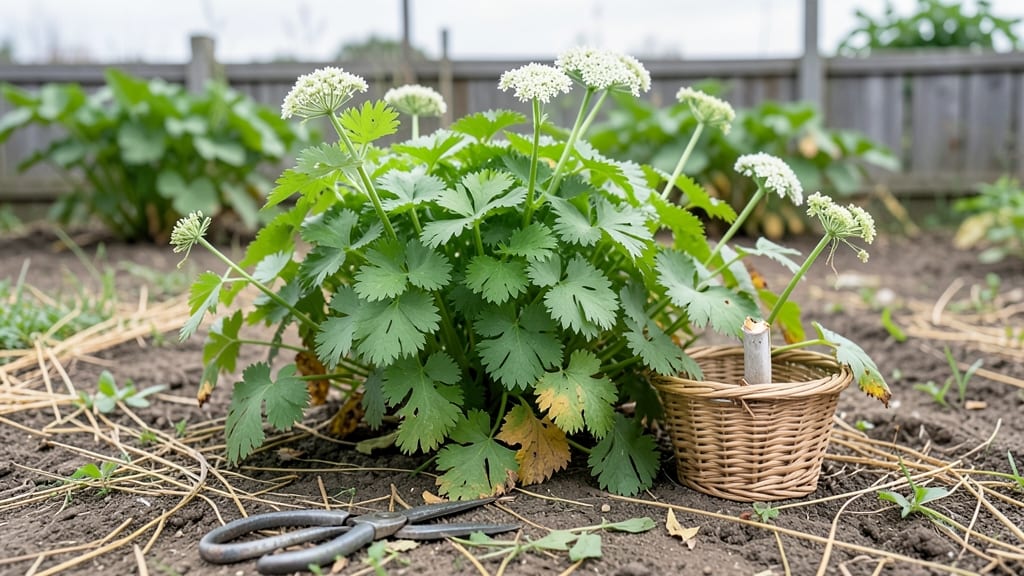
Harvesting cilantro plants at the right time turns a single plant into a year-round herb factory. ✨ I used to pull the whole plant when it bolted, only to watch it flower and go to seed—until I learned the trim-and-grow cycle that keeps stems fresh for months.
The secret is cutting just above a pair of leaves (about 2-3 inches from the base) when the plant reaches 6-8 inches tall. This encourages bushier growth and prevents bolting.
Use sharp scissors or clean pruners to avoid crushing stems, and always harvest in the morning when oils are most potent.
You’ll get 3-4 harvests from one plant before it finally bolts, with each cut yielding enough for 2-3 meals. Store harvested stems in a jar of water on the countertop—they’ll stay crisp for up to a week, or freeze them in ice cube trays for later use.
Works for both potted plants and in-ground cilantro, and the same method applies to its cousin, coriander. Here’s how to keep your plants productive all season long.
📚 In This Guide
- What you need
- Instructions
- Tips and common mistakes
- Wrapping up and next steps
What you need
- ● Cilantro plants: Mature plants (at least 6–8 inches tall) with visible stems and leaves. Pro tip: 💡 Harvest from plants that are fully established (4–6 weeks old) for the best flavor and regrowth.
- ○ Sharp pruning shears or kitchen scissors: A clean, sharp pair (avoid dull blades—they crush stems and invite pests). Optional: A small hand pruner for thicker stems.
- ○ Glass or stainless-steel container: For storing harvested cilantro (e.g., a mason jar or bowl). Optional: A mesh produce bag (if storing in the fridge).
- ● Water spray bottle: To mist leaves post-harvest (keeps them crisp for up to 2 weeks in the fridge).
- ○ Gloves (optional): If your cilantro has sandy soil or thorns (uncommon but possible in some varieties).
- ● Sunlight: Ensure your cilantro gets 4–6 hours of sunlight daily (partial shade is fine in hot climates).
- ● Watering routine: Keep soil consistently moist but not soggy (cilantro bolts—i.e., goes to seed—if stressed).
- ● Patience: Give plants 7–10 days to regrow after harvesting (trim just above a leaf node for best results).
Step-by-Step instructions for harvesting cilantro plants
Here's how to keep your cilantro thriving and productive with simple, repeatable trims.
✂️ Step 1: Identify and Prepare for the First Harvest
Wait until your cilantro reaches about 6-8 inches tall—this is when the stems are thick enough to handle. Look for the outer stems first; these are the most mature and ready for cutting. I like to harvest in the morning when the oils in the leaves are at their peak flavor.
Grab a pair of clean, sharp scissors or your fingers. Avoid using dull tools—they crush stems and invite disease. Hold the plant gently at the base while you cut or pinch just above a set of leaves where new growth emerges. This encourages branching and keeps the plant bushy.
✂️ Step 2: Harvest the Outer Stems Correctly
Cut or pinch the outer ⅓ of the plant, focusing on the largest stems. Avoid taking more than that—you want to leave enough foliage for the plant to recover and regrow. If you harvest too aggressively, the cilantro may bolt (send up flowers) or stop producing new leaves.
Here's the thing—cilantro grows in a rosette shape. By cutting the outer stems, you're allowing the inner stems to grow outward and fill in the gaps. This creates a fuller plant and more harvests over time. After cutting, step back and admire your work—the plant should look like it still has plenty of green leaves in the center.
💧 Step 3: Water and Fertilize for Regrowth
After harvesting, water the plant deeply to replenish moisture lost during cutting. The soil should feel damp about 1 inch down—stick your finger in to check. Overwatering now can lead to root rot, so let excess water drain completely.
Give the plant a light feeding with a balanced, water-soluble fertilizer (like 10-10-10) diluted to half strength. This boosts regrowth and keeps the leaves vibrant. I like to fertilize every 2-3 weeks during the growing season, but after a harvest, a quick pick-me-up ensures the plant recovers faster.
☀️ Step 4: Monitor and Repeat the Cycle
Watch for new growth emerging from the center of the plant within 5-7 days. This is your cue that the plant is recovering well. If you see stems growing tall and thin, it’s a sign the plant is stressed—either from too much sun or not enough water. Move it to a spot with partial shade if needed, especially in hot climates.
Once the new growth reaches about 4-6 inches tall, it’s time to harvest again. Repeat the process of cutting the outer stems, leaving the inner ones to grow. With this method, you can harvest cilantro every 3-4 weeks and keep the plant producing fresh leaves for months.
⏰ Step 5: Prevent Bolting and Extend the Harvest
Cilantro bolts (goes to seed) quickly in warm weather. To delay this, harvest frequently and keep the plant cool. If you notice flower stalks forming, snip them off immediately—they sap energy from leaf production. Some gardeners also plant cilantro in partial shade or use shade cloth during hot afternoons.
Real talk: Even with the best care, cilantro won’t last forever. But by following this trim-and-grow cycle, you’ll get 4-6 harvests per plant before it’s time to replant. Save seeds from the bolted plants for next season if you’d like!
Tips & tricks for perfect cilantro harvesting
These simple tricks will help you maximize your cilantro's productivity and keep it thriving for months.
Timing is Everything: Harvest your cilantro in the morning when the oils in the leaves are at their peak flavor—this is when they taste freshest and most vibrant. The 6-8 inch height guideline in Step 1 is perfect because stems this size are mature enough to cut without stressing the plant. If you wait too long, the plant may start bolting, and those flower stalks ruin the leaf production we're after.
The Cutting Technique That Changed Everything: When you're harvesting that outer ⅓ of the plant in Step 2, focus on making clean cuts just above a set of leaves where new growth emerges. This might sound obvious, but I've seen people snip too close to the base—don't make that mistake! You want to leave enough foliage so the plant can continue photosynthesizing and recovering. Think of it like giving your cilantro a haircut—you want to leave enough length for regrowth.
Post-Harvest Care: After cutting, don't just walk away! The deep watering in Step 3 is crucial—stick your finger in the soil to check for dampness about 1 inch down. Overwatering now can actually harm your plant by causing root rot, so let excess water drain completely. That light feeding with diluted fertilizer (half-strength 10-10-10) gives your cilantro just the right boost to bounce back quickly. I've found that plants fertilized this way show new growth within those 5-7 days we're watching for.
Bolting Prevention: Here's what nobody tells you—the key to preventing bolting isn't just about shade (though that helps). It's also about consistency. When you see those flower stalks starting in Step 5, snip them off immediately. I mean it—don't wait! Those stalks are energy vampires that drain resources from your leaves. And if your cilantro is already bolting, don't toss it—save those seeds for next season's planting!
Pro Tips for Harvesting Cilantro Plant
- These simple tricks will help you maximize your cilantro's productivity and keep it thriving for months.
- Timing is Everything: Harvest your cilantro in the morning when the oils in the leaves are at their peak flavor—this is when they taste freshest and most vibrant.
- The Cutting Technique That Changed Everything: When you're harvesting that outer ⅓ of the plant in Step 2, focus on making clean cuts just above a set of leaves where new growth emerges.
Frequently asked questions
Got questions about harvesting cilantro like a pro? Here are the answers to the most common ones—so you can keep your garden thriving and your kitchen stocked with fresh, flavorful stems!
When is the best time to harvest cilantro?
Harvest cilantro in the morning after the dew dries but before the heat of the day sets in. This ensures the stems are crisp and full of flavor. For continuous harvests, trim stems when they reach 6–8 inches tall—this encourages bushier regrowth.
How do I harvest cilantro without killing the plant?
Always cut stems above a set of leaves (about 1–2 inches from the base) using clean, sharp scissors or pruners. Avoid pulling leaves—this damages the plant. Leave at least 2–3 inches of growth to keep it producing new stems!
What if my cilantro bolts (goes to seed) too quickly?
Bolting happens when cilantro senses heat or drought. To delay it, harvest frequently and keep soil moist. For extra insurance, try slow-bolt varieties like ‘Santo’ or grow cilantro in partial shade during hot months.
Can I harvest cilantro leaves individually, or should I cut whole stems?
While you can pluck individual leaves, cutting whole stems encourages fuller regrowth. If you must pick leaves one by one, avoid over-harvesting from the same spot—this can stress the plant and reduce future yields.
How often should I harvest cilantro for continuous growth?
Harvest cilantro every 2–3 weeks to maintain a steady supply. If you let it get too leggy (over 12 inches), it may bolt faster. A trim-and-grow cycle keeps your plant happy and productive for months!
Wrapping up and next steps
Harvesting cilantro doesn’t have to be a one-time task—with the right techniques, you can enjoy a continuous supply of fresh, flavorful stems all season long! 🌱 By following a simple trim-and-grow cycle, you’ll keep your plants thriving while reaping the rewards of homegrown herbs.
Whether you’re a seasoned gardener or just starting out, this method makes harvesting effortless and rewarding.
Ready to keep the harvest going? Grab your shears and give your cilantro plants a little TLC—your kitchen (and taste buds) will thank you! For extra tips, check out our guide on storing fresh cilantro to maximize its shelf life and flavor.