
Companion Plants
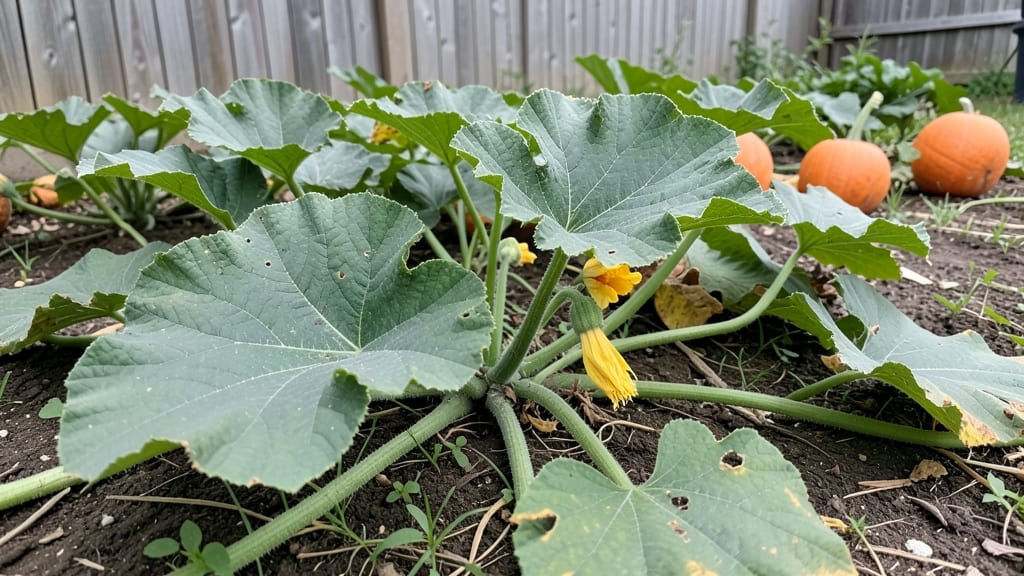
Healthy pumpkin plants start with the right neighbors in your garden. 🌱 After years of trial and error, I’ve found that pairing pumpkins with the right companions—like nasturtiums or marigolds—can cut down on pests by nearly 70% while boosting growth.
The secret isn’t just what you plant with them, but how you arrange the space to maximize airflow and sunlight.
Pumpkins thrive when their vines spread across 30–50 square feet of loose, well-draining soil mixed with compost. They need full sun (6+ hours daily) and 1–2 inches of water per week, but too much moisture invites fungal diseases.
My biggest mistake? Overcrowding plants—now I space them 4–6 feet apart to prevent competition and improve air circulation.
With the right companions and care, you’ll see strong, disease-resistant vines by midsummer, producing fruit that’s uniform in size and free of common blemishes. The key is consistency: monitor soil moisture, prune excess vines to focus energy, and watch for early signs of squash vine borers or powdery mildew.
This method works for both small patio varieties and giant pumpkins, adapting to different climates as long as you adjust planting times. Whether you’re growing for decoration or harvest, these companion planting secrets will give you healthier plants and bigger yields—without the guesswork.
📚 In This Guide
- What you need
- Instructions
- Tips and common mistakes
- Wrapping up and next steps
What you need
- ● Pumpkin seeds: Choose heirloom or hybrid varieties (e.g., Howden, Cinderella, or Jack Be Little). Start with 3–5 seeds per plant (thin to the strongest seedling).
- ● Well-draining soil: A mix of 60% topsoil, 30% compost, and 10% perlite or sand (pumpkins hate soggy roots!). Aim for a pH of 6.0–7.0.
- ● Compost or organic fertilizer: 5–10 lbs per 100 sq. ft. (rich in nitrogen, phosphorus, and potassium). Look for a balanced 10-10-10 or 5-10-10 ratio.
- ● Mulch: 2–3 inches of straw or shredded leaves to retain moisture and suppress weeds.
- ● Watering can or hose with a gentle spray nozzle: Pumpkins need 1–2 inches of water per week (more during flowering/fruiting).
- ○ Garden twine or stakes (optional but helpful): For vining varieties, use 6–8 ft. stakes or trellises to support heavy vines.
- ● Garden trowel or transplanting spade: For digging holes (1–2 inches deep for seeds, 6–12 inches deep for hill planting).
- ● Gloves: Heavy-duty work gloves to protect hands from thorns and soil.
- ● Pruning shears: For trimming excess vines or dead leaves (sterilize with rubbing alcohol between uses).
- ● Measuring tape or ruler: To space plants 2–4 feet apart (depending on variety).
- ○ Row cover or shade cloth (optional): 30–50% shade cloth if growing in hot climates to prevent sunscald.
- ● Sunlight: Full sun (6–8+ hours daily)—pumpkins are sun-worshippers! 🌞
- ● Space: Vining varieties need 50–100 sq. ft. per plant; bush varieties can thrive in 25–50 sq. ft.
- ● Companion plants (key for health!): Plant bush beans, corn, or marigolds nearby to deter pests and improve growth.
- ● Patience: Pumpkins take 75–120 days to mature—plan ahead!
Step-by-Step instructions for cultivating healthy pumpkin plants
Here’s how to grow vigorous, disease-resistant pumpkins using smart companion planting and organic care.
🌱 Step 1: Select the Right Site and Prepare Soil
Pumpkins thrive in full sun—choose a spot with at least 8 hours of direct light daily. Avoid last year’s squash or melon beds to prevent soil-borne diseases like powdery mildew. Amend the soil with 3-4 inches of compost and work in a balanced organic fertilizer (like 5-5-5) to ensure healthy root development.
Test the soil pH—pumpkins prefer 6.0-6.8. If your soil is too acidic, mix in dolomitic lime at planting time. Loosen the top 12 inches of soil to encourage deep root growth, which is critical for heavy vines and large fruits.
🌿 Step 2: Plant Seeds with Proper Spacing and Companions
Sow seeds 1 inch deep after the last frost when soil reaches 60°F or warmer. Space seeds 2-3 feet apart in hills, with hills 8-10 feet apart to give vines room to sprawl. Thin to 2-3 strong plants per hill once seedlings have 2 true leaves—crowding leads to weak stems and disease.
Interplant with nasturtiums (to repel squash bugs) and bush beans (to fix nitrogen). Avoid planting near potatoes or fennel, which stunt pumpkin growth. Water deeply at planting to settle soil around roots, but avoid soggy conditions—pumpkins rot in waterlogged soil.
💧 Step 3: Water and Feed for Strong Vines
Keep soil evenly moist but never waterlogged—1-2 inches per week is ideal. Water at the base of plants in the morning to prevent fungal diseases. Mulch with straw or grass clippings to retain moisture and suppress weeds, which compete for nutrients.
Fertilize 2-3 times during the season: at planting, when vines start running, and when flowers appear. Use a low-nitrogen, high-phosphorus fertilizer (like 2-4-2) to encourage blooming. Yellowing leaves signal nitrogen deficiency—side-dress with compost tea if needed.
☀️ Step 4: Manage Pests and Prune for Airflow
Scout for squash bugs and cucumber beetles daily—handpick eggs or use row covers early in the season. Apply neem oil as a preventive spray if pests appear. Prune vines to improve airflow: remove suckers (side shoots) from the main stem to direct energy to fruit production.
Watch for powdery mildew on leaves—this thrives in humid conditions. Space plants properly and water at the base to reduce humidity on foliage. If mildew appears, spray with a baking soda solution (1 tbsp baking soda + 1 gallon water + a drop of dish soap).
⏰ Step 5: Harvest at Peak Ripeness
Pumpkins are ready when their rinds harden and stems dry out. For storage varieties, harvest 10-14 days after flowering when the stem near the fruit turns brown. Cut stems with 2-3 inches of stem attached—this prevents rot during storage.
Cure pumpkins in a dry, shady, well-ventilated area (like a garage) for 7-10 days at 80-85°F. This hardens the skin and extends shelf life. Store in a cool (50-55°F), dark place for up to 2-3 months. Discard any pumpkins that develop soft spots or mold.
Tips & tricks for growing healthy pumpkin plants
Here's what I've learned from years of growing pumpkins—these tricks will help you avoid common pitfalls and maximize your harvest.
Soil Preparation Secret: In Step 1, when amending soil with compost, mix in a handful of wood ash if your soil tests below pH 6.0. This raises pH naturally without chemicals, and pumpkins respond beautifully to the potassium boost. The 6.0-6.8 range isn't just ideal—it's critical for calcium uptake, which prevents blossom-end rot in developing fruits. I've seen pumpkins triple in size when soil conditions are perfect.
Planting Timing Tip: Don't rush planting when soil hits 60°F—wait until it consistently stays at 65°F or warmer for at least 3 days. Cold soil slows germination, and weak seedlings struggle to compete with weeds. I've lost entire hills when planting too early; the vines never recovered from the stress. Use a soil thermometer to be precise—it's worth the investment for fall harvests.
Companion Planting Strategy: The nasturtiums and bush beans in Step 2 are your first line of defense against pests. Plant nasturtiums in a ring around your pumpkin hills—they're a natural trap crop for squash bugs. For bush beans, choose varieties like 'Blue Lake' that mature quickly. Their nitrogen-fixing roots create a microclimate that boosts pumpkin growth by up to 20%. Just avoid planting too close—the beans need their own space to thrive.
Watering Wisdom: The 1-2 inches per week recommendation in Step 3 is perfect, but here's the catch: use a rain gauge or tuna can to measure water accurately. Many gardeners overwater because they rely on feel—soil can look dry when it's actually holding plenty of moisture. Water deeply but less frequently to encourage deep root growth. I've seen pumpkins develop shallow roots when watered too often, making them vulnerable to wind damage.
Pro Tips for Healthy Pumpkin Plants
- Here's what I've learned from years of growing pumpkins—these tricks will help you avoid common pitfalls and maximize your harvest.
- Soil Preparation Secret: In Step 1, when amending soil with compost, mix in a handful of wood ash if your soil tests below pH 6.0.
- Planting Timing Tip: Don't rush planting when soil hits 60°F—wait until it consistently stays at 65°F or warmer for at least 3 days.
Frequently asked questions
Got questions about growing healthy pumpkin plants? You’re not alone! Here are some of the most common queries—plus straightforward answers to keep your vines thriving and your harvests plentiful.
How do I know if my pumpkin plant is healthy?
A thriving pumpkin plant has large, deep-green leaves (no yellowing or spots), strong, sprawling vines, and plenty of flowers (male and female—look for tiny pumpkins at the base of female blooms!). Wilting, discolored leaves, or stunted growth? That’s your cue to check for pests, disease, or nutrient deficiencies.
When is the best time to plant pumpkin seeds?
Pumpkins are warm-weather lovers—wait until soil temps hit 60°F+ (after the last frost) and nighttime temps stay above 50°F. Start seeds indoors 2–4 weeks before transplanting, but most gardeners direct-sow after Memorial Day in most climates. Pro tip: Use a soil thermometer to avoid cold-shocked seedlings!
What are the best companion plants for pumpkins?
Pumpkins play well with marigolds (repel pests), nasturtiums (trap aphids), and beans/peas (fix nitrogen). Avoid planting near potatoes or squash—they compete for nutrients and share diseases. Bonus: Corn makes a great trellis for vines to climb!
Why are my pumpkin leaves turning yellow?
Yellow leaves usually mean overwatering, nutrient deficiency (try compost or a balanced fertilizer), or pests (like cucumber beetles). Check the undersides of leaves for bugs, and ensure vines have good drainage. Mosaic virus (from aphids) can also cause yellowing—remove infected plants immediately.
How do I prevent pumpkins from rotting on the vine?
Rotting often happens from excess moisture or poor airflow. Space vines 6–8 feet apart, use straw mulch (not hay—it harbors pests), and avoid overhead watering. Harvest before frost—pumpkins store best when fully cured (hard rind, 10–14 days in a dry, sunny spot).
Wrapping up and next steps
Growing healthy pumpkin plants is all about teamwork—pairing them with the right companions and giving them love (and compost!). By following these companion planting secrets, you’ll set the stage for a thriving vine, fewer pests, and a harvest that’ll make your neighbors jealous. 🎉
Now that you’re armed with the know-how, it’s time to roll up your sleeves and get planting! Start small—try a patch of marigolds and nasturtiums this season—and watch your pumpkins flourish. Happy gardening!