
Blooming
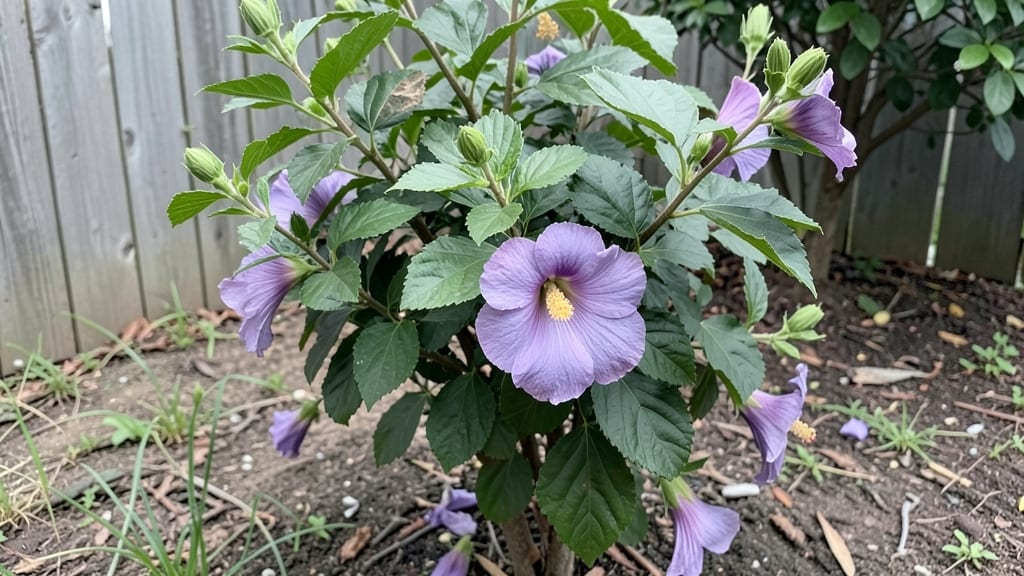
The hibiscus plant flowering season starts when days grow long and warm, but timing depends on your variety and climate. I’ve watched my tropical hibiscus burst into bold red blooms by mid-June, while hardy types wait until late summer or even fall.
The difference comes down to sunlight, water, and a little extra care during their peak blooming windows.
Tropical hibiscus thrive in warm zones where summer heat triggers blooms, while hardy varieties in cooler areas often flower in spring and again in fall. Both need full sun—at least six hours daily—and consistent moisture, but tropical types can’t handle frost, while hardy hibiscus shrug off light freezes.
The key is matching their needs to your local growing season.
With the right care, you’ll see vibrant blooms lasting weeks, sometimes even months. Prune spent flowers to encourage new growth, and feed with a balanced fertilizer every four to six weeks during the blooming season.
In cooler climates, bring potted tropical hibiscus indoors before frost, but keep them near a sunny window to maintain blooming.
Regional differences matter—southern gardeners enjoy year-round blooms, while northern growers focus on spring and fall. The secret to prolonging flowering? Stay consistent with water, sunlight, and occasional pruning. Once you nail these three triggers, your hibiscus will reward you with nonstop color.
📚 In This Guide
- What you need
- Instructions
- Tips and common mistakes
- Wrapping up and next steps
What you need
- ● Hibiscus plant (varieties like Hibiscus rosa-sinensis or Hibiscus syriacus—choose based on your climate!)
- ● Well-draining potting mix (10-15 gallons, depending on pot size) – Mix in perlite or sand (20-30%) for aeration.
- ● Balanced fertilizer (10-10-10 or 20-20-20, 2 tbsp per gallon of water) – Use every 4-6 weeks during growing season.
- ● Phosphorus-rich fertilizer (e.g., 5-10-10, 1 tbsp per gallon) – Apply when buds form for extra bloom boost!
- ● Pruning shears (sterilized, sharp blades for clean cuts)
- ● Watering can or hose with gentle spray nozzle (avoid soggy roots!)
- ● Mulch (2-3 inches of organic mulch like pine bark or compost)
- ● Grow lights (LED full-spectrum, 12-16 hrs/day for indoor plants)
- ● Humidity tray (pebbles + water to increase moisture for tropical varieties)
- ● Epsom salt (1 tbsp in gallon of water, monthly – boosts magnesium for lush foliage!)
- ● Floral food (for cut stems, if harvesting blooms)
- ● Soil pH test kit (ideal range: 6.1–6.5)
How to trigger hibiscus flowering season in your garden
Here's the foolproof method I use to coax vibrant blooms from hibiscus plants every year.
Provide Full Sun Exposure Daily
Hibiscus plants demand at least 6-8 hours of direct sunlight each day to produce flowers. I place mine in the southernmost part of my yard where they receive unfiltered morning sun through early afternoon. If your garden lacks full sun, consider growing hibiscus in large containers that you can move to follow the sun's arc.
Watch for leaves that turn yellow or drop prematurely—this is your plant's way of signaling insufficient light. Strong, healthy foliage with deep green leaves means your hibiscus is getting the light it needs to focus energy on blooming rather than just surviving.
Maintain Consistent Moisture Without Overwatering
Keep the soil evenly moist but never soggy. Hibiscus roots need 1-2 inches of water per week, depending on your climate. I water deeply in the morning, allowing the top 2 inches of soil to dry slightly between waterings. Overwatering causes root rot, while underwatering stresses the plant and reduces flowering.
Stick your finger 2 inches into the soil—if it feels dry, it's time to water. If it's still damp, wait another day. Mulching with 2-3 inches of organic mulch helps retain moisture and regulate soil temperature, which encourages more consistent blooming.
Feed With High-Potassium Fertilizer During Growing Season
Use a balanced 10-10-10 or 20-20-20 fertilizer every 4-6 weeks during the active growing season (spring through early fall). Hibiscus plants respond best to regular feeding, but too much nitrogen produces lush foliage at the expense of flowers. Switch to a low-nitrogen, high-potassium fertilizer (like 5-10-10) when you notice new growth to encourage blooming.
I always fertilize after watering to prevent root burn. Stop fertilizing completely in late fall and winter, as hibiscus plants enter dormancy and don't need extra nutrients. This seasonal feeding schedule ensures your plant focuses energy on producing vibrant blooms rather than unnecessary growth.
Prune Strategically to Encourage New Growth
Prune hibiscus plants in early spring before new growth begins. Cut back one-third of the plant's height to remove dead or weak stems and shape the plant. This encourages bushier growth and more flowering sites. Always use clean, sharp pruners and make cuts just above a leaf node or bud to promote healthy regrowth.
Deadhead spent blooms regularly throughout the season to redirect the plant's energy toward producing new flowers. I also trim any leggy or overgrown branches to maintain an open, airy structure—this improves airflow and reduces the risk of fungal diseases that can stress the plant and inhibit flowering.
Protect From Temperature Extremes
Hibiscus plants thrive in warm climates with temperatures between 65-85°F. If you live in a cooler region, grow hibiscus in containers and bring them indoors before temperatures drop below 50°F. Even a brief cold snap can damage foliage and delay or prevent flowering.
Watch for signs of stress like wilting leaves or flower buds that drop before opening. If your hibiscus is in a container, move it to a sheltered location during heatwaves or cold snaps. Consistent temperature stability ensures your plant remains healthy and continues producing blooms throughout the season.
Tips & tricks for perfect hibiscus flowering season
Here's what I've learned after years of growing hibiscus—these small adjustments make all the difference between occasional blooms and a garden full of vibrant flowers.
Light Optimization: If you're growing hibiscus in containers, rotate them every few days to ensure all sides receive the full 6-8 hours of sunlight. I noticed a dramatic increase in blooms after implementing this simple rotation—even shaded sides started producing buds. For indoor growers, place plants near south-facing windows and supplement with grow lights for 4-6 hours daily if natural light is insufficient.
Watering Wisdom: The 2-inch soil moisture check is crucial, but timing matters just as much. Watering in the morning allows foliage to dry completely by evening, preventing fungal issues that can stress the plant. I've found that mulching with 2-3 inches of organic material not only retains moisture but also keeps roots consistently at the ideal temperature range of 65-85°F. During heatwaves, I increase watering slightly to prevent soil from drying out too quickly.
Fertilizer Timing: When switching to that low-nitrogen, high-potassium fertilizer (like 5-10-10), I make the transition when I see new growth appearing—usually around late spring. This timing ensures the plant has enough energy to support both foliage and flower production. I've also found that applying a light dose of Epsom salt (1 tablespoon per gallon of water) every 6 weeks during blooming season gives an extra phosphorus boost that enhances flower color and size.
Pruning Precision: That early spring pruning to one-third of the plant's height might seem drastic, but it's what triggers the most vigorous new growth. I always prune just above a leaf node or bud—this small detail makes a huge difference in how quickly the plant recovers. For container-grown hibiscus, I do a light shaping trim throughout summer to maintain that open structure, which improves airflow and reduces disease risk. The key is to never remove more than 25% of the plant's height at any one time.
Pro Tips for Hibiscus Plant Flowering Season
- Here's what I've learned after years of growing hibiscus—these small adjustments make all the difference between occasional blooms and a garden full of vibrant flowers.
- Light Optimization: If you're growing hibiscus in containers, rotate them every few days to ensure all sides receive the full 6-8 hours of sunlight.
- Watering Wisdom: The 2-inch soil moisture check is crucial, but timing matters just as much.
Frequently asked questions
Got questions about your hibiscus plant’s blooming magic? You’re not alone! Here are some of the most common queries—and their answers—to help you keep those vibrant flowers coming year after year.
When is the best time of year for hibiscus flowers to bloom?
The peak flowering season for hibiscus depends on the variety and climate. Tropical hibiscus (like Hibiscus rosa-sinensis) typically bloom year-round in warm zones (USDA 9-11), while hardy hibiscus (like Hibiscus moscheutos) thrive in summer (June–September) in cooler regions (USDA 5-9).
Why isn’t my hibiscus flowering, even though it’s the right season?
Lack of blooms often stems from over-fertilizing with nitrogen (which promotes leaves, not flowers), insufficient sunlight (<6 hours/day), or stress from inconsistent watering. Try pruning spent blooms, switching to a low-nitrogen, high-phosphorus fertilizer, and ensuring it gets bright, direct light. Patience helps—some hibiscus take 2–3 years to mature and bloom!
Can I force hibiscus to bloom outside its natural season?
Yes! For tropical hibiscus, move potted plants indoors before frost and place them near a south-facing window or under grow lights (12–14 hours/day) to extend blooming. For hardy hibiscus, protect them with burlap wraps or row covers in early fall to shield from cold snaps. Just avoid sudden temperature drops—hibiscus hate shock!
How do I extend the hibiscus flowering season?
To prolong blooms, deadhead regularly (remove faded flowers), water deeply but infrequently (let soil dry slightly between waterings), and feed every 4–6 weeks with a balanced bloom booster. Mulch around the base to retain moisture and cool roots, and prune lightly in late winter to encourage new growth. Bonus: Morning sunlight (not harsh afternoon sun) keeps flowers vibrant longer!
What should I do if my hibiscus flowers drop too early?
Premature drop-off is often a sign of underwatering, overwatering, or pests. Check for aphids or spider mites (spray with neem oil if found) and ensure the plant isn’t sitting in soggy soil. Adjust watering to keep soil evenly moist but not waterlogged, and move the plant to a shadier spot if temperatures exceed 90°F (32°C). Stress from nutrient deficiencies (like magnesium) can also cause early shedding—try a Epsom salt soak (1 tbsp/gallon) monthly.
Wrapping up and next steps
Watching your hibiscus plant burst into vibrant blooms is pure magic—and now you’ve got the secrets to make it happen! 🌸 The key? Light, temperature, and care work together like a well-choreographed dance.
Whether you’re a seasoned gardener or just starting, these triggers will help you coax stunning flowers year after year.
Ready to transform your garden? Start by tracking your hibiscus’s progress—note when buds form, adjust care as needed, and celebrate every bloom! With patience and passion, your hibiscus will reward you with a show-stopping display that turns heads (and maybe even inspires your neighbors to start their own!).