
Diseases
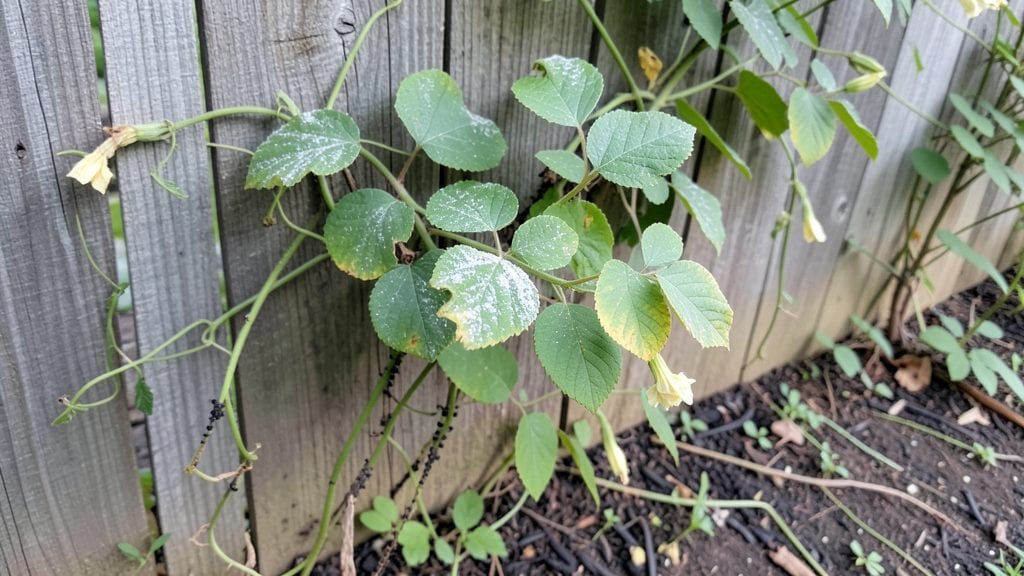
Identifying honeysuckle plant diseases early—especially with these honeysuckle plant diseases pictures—can save your vines from turning into a sad, spotted mess. I’ve spent years watching my own vines battle rust, mildew, and leaf spots—until I learned to spot these 10 foes before they spread.
The key? Recognizing the telltale marks, like the yellow-orange puffs of rust or the white powder of mildew, so you can act fast.
Most problems start with too much moisture or poor airflow, but don’t panic—these issues have simple fixes. Prune for better circulation, water at the base (not overhead), and use fungicides only when needed.
My vines now stay lush and disease-free, and I’ll show you exactly how to keep yours thriving too. You’ll learn the early warning signs that save entire plants.
This guide includes clear descriptions and visual cues for each disease, so you’ll know whether those brown spots are harmless or a sign of trouble. Once you spot the pattern—like the black streaks of bacterial blight or the curling leaves of aphid damage—you’ll tackle it before it worsens.
Prevention is easier than cleanup, and I’ll give you the foolproof steps to protect your vines.
Whether you’re dealing with a single vine or a whole garden, these solutions work for all honeysuckle varieties. The goal? More blooms, fewer battles. Let’s get your vines back to their vibrant best—without the guesswork.
Root Causes Of Honeysuckle Woes
Understanding why honeysuckle plants fall prey to diseases is the first step in protecting them. These vibrant climbers are resilient, but environmental stress, microbial invaders, and even human habits can create the perfect storm for trouble.
Let’s break down the real culprits behind honeysuckle plant diseases—so you can nip them in the bud (or leaf, as the case may be).
Honeysuckle thrives in specific conditions, and when those conditions shift—whether due to nature or human interference—diseases move in.
- Excess Moisture & Poor Drainage Honeysuckle roots need well-draining soil to avoid waterlogging. When soil stays soggy for too long, fungal pathogens like Phytophthora or Fusarium latch on, causing root rot or crown rot. Symptoms?
Yellowing leaves, stunted growth, and a mushy, foul-smelling base. Pro Tip: 💡 Test your soil’s drainage by digging a hole, filling it with water, and timing how long it takes to drain. If it’s slower than 6 hours, amend with sand or perlite.
- Extreme Temperature Swings Sudden cold snaps or scorching heat weaken honeysuckle’s defenses. Powdery mildew (a fungal disease) flourishes in humid, warm conditions (70–80°F), while bacterial leaf spot thrives in cool, wet springs. Frost damage can also create entry points for pathogens.
- High Humidity Without Airflow Honeysuckle vines packed too tightly or grown in shady, enclosed spaces trap moisture. This creates a fungal paradise, especially for diseases like anthracnose (dark, sunken lesions on leaves) or downy mildew (white, fuzzy undersides of leaves).
Diseases don’t just happen—they’re spread by microbes waiting for the right moment to strike. Here’s how they exploit honeysuckle:
- Fungal Spores In The Air Fungi like Erysiphe (powdery mildew) or Colletotrichum (anthracnose) spread via wind, water, or infected tools.
Once they land on a stressed plant, they germinate and feast on organic matter. Action Step: 🔥 Sanitize pruners with 70% isopropyl alcohol between cuts to prevent spreading spores.
- Bacterial Hitchhikers Bacteria like Pseudomonas syringae (causing bacterial leaf spot) enter through wounds, rain splashes, or contaminated irrigation water. They multiply in wet conditions, clogging leaf veins and causing black, water-soaked spots. Pro Tip: 🌡️ Avoid overhead watering—use drip irrigation to keep foliage dry.
- Viruses: The Silent Saboteurs Viruses (e.g., honeysuckle yellow vein virus) spread via infected sap (from pruning tools) or aphid feeding. Infected plants show mosaic patterns, stunted growth, or yellowing veins—but there’s no cure. Prevention is key: remove infected plants immediately and sterilize tools.
A weak honeysuckle is an open invitation for diseases. Nutritional deficiencies, improper pruning, or neglect create vulnerabilities.
- Nutrient Deficiencies Lack of nitrogen, phosphorus, or potassium weakens honeysuckle’s immune response.
For example: - Yellow leaves? Likely iron or nitrogen deficiency—fungi exploit this. - Purple stems? Phosphorus deficiency—plants struggle to fight infections. Fix It: 💪 Conduct a soil test and amend with balanced fertilizer (10-10-10) in early spring.
- Overcrowded Or Improper Pruning Too much shade (from overgrown vines) or aggressive pruning (removing too many leaves at once) stresses the plant. This invites powdery mildew or leaf spot. Best Practice: ✂️ Prune in late winter/early spring, removing no more than 1/3 of the plant per year.
Space vines 3–6 feet apart for airflow.
- Pests As Disease Carriers Aphids, spider mites, and scale insects don’t just suck sap—they transmit viruses and damage leaves, making plants susceptible to secondary infections. Quick Fix: 🕷️ Blast off pests with neem oil spray or introduce ladybugs (natural predators).
Sometimes, well-meaning gardeners unwittingly invite diseases through their habits.
- Reusing Contaminated Soil Or Mulch Old mulch, compost, or potting mix can harbor dormant fungal spores. If reused without sterilization, diseases re-emerge. Solution: 🔥 Solarize soil (cover with clear plastic for 4–6 weeks in summer) or use fresh, disease-free mulch.
- Ignoring Sanitation Infected leaves left on the ground or disease-covered prunings act as pathogen reservoirs. One infected plant can spread spores to healthy neighbors. Clean-Up Routine: 🧹 Rake and dispose of debris in the trash (not compost)—do not leave it near the plant.
- Overwatering Or Wrong Watering Times Watering late in the day keeps leaves wet overnight, perfect for fungal growth. Overwatering drowns roots, inviting rot. Golden Rule: 💧 Water early morning and only when the top 1–2 inches of soil are dry.
Honeysuckle diseases rarely strike healthy, well-cared-for plants. By addressing moisture, airflow, nutrition, and sanitation, you starve pathogens of their opportunities. The key? Stay vigilant, act fast, and give your honeysuckle the ideal growing conditions—then watch it thrive, disease-free!
Quick Fixes for Honeysuckle Ailments
Revive your honeysuckle with these targeted, easy-to-follow solutions—each tailored to common diseases and pests. From fungal infections to insect invasions, we’ve broken down the fixes into clear steps, plus prevention tips to keep your plant thriving. No green thumb required!
Causes: Overwatering, poor airflow, or damp foliage. Fix:
- 🔥 Trim the Damage
- Snip off infected leaves (look for yellowing, brown spots, or powdery coatings) with sterilized pruners (wipe with rubbing alcohol between cuts).
- Dispose of clippings in the trash—do not compost to avoid spreading spores.
- 🌡️ Fungicide Treatment - Spray with a copper-based fungicide (like Bordeaux mixture) or a neem oil solution (1 tsp neem oil + 1 quart water + a drop of dish soap).
Reapply every 7–10 days until symptoms fade. - For severe cases, use a systemic fungicide (e.g., Myclobutanil) as a last resort.
- 💨 Improve Airflow & Light
- Space plants 3–4 feet apart to reduce humidity buildup.
- Ensure 6+ hours of sunlight daily—fungi love shade and dampness.
💡 Pro Tip: Water at the base (not overhead) and early in the day so leaves dry quickly.
Causes: Weak plants, overcrowding, or dry conditions attract pests. Fix:
- 👨🍳 Blast Off Pests
- Aphids/Scale: Spray with a soapy water solution (1 tbsp mild dish soap + 1 quart water). Repeat every 3–4 days until gone.
- Spider Mites: Wipe leaves with a damp cloth or blast them off with a strong hose spray (mimics rain).
- 🔪 Introduce Beneficial Bugs
- Release ladybugs (for aphids) or predatory mites (for spider mites) from a garden center. They’ll feast on the pests naturally!
- 🌿 Prune & Isolate
- Trim heavily infested branches and quarantine the plant for a week to prevent spread.
💡 Pro Tip: Reflective mulch (aluminum foil) around the base can deter spider mites by confusing them with light.
Causes: Contaminated tools, rain splash, or wounds from pruning. Fix:
- ⏰ Remove & Replace
- Prune infected leaves/stems (look for oily spots, wilting, or blackened areas) immediately—bacteria spreads fast!
- Sterilize tools with bleach or alcohol between cuts.
- 🛡️ Copper Spray Barrier
- Apply a copper fungicide (like Cupric Hydroxide) preventatively if rain is forecasted. It creates a protective layer.
- 🌧️ Adjust Watering
- Water deeply but infrequently (1–2 times/week) and avoid overhead watering.
✨ Prevention: Rotate pruning tools between plants to avoid cross-contamination.
Causes: High humidity + poor airflow. Fix:
- 🍳 Baking Soda Spray
- Mix 1 tsp baking soda + 1 quart water + a drop of soap. Spray every 7–10 days until mildew disappears.
- 🌿 Increase Airflow
- Thin out nearby plants or install a small fan (on low) near the honeysuckle for 1–2 hours daily.
- 🌞 Boost Sunlight
- Move the plant to a sunnier spot (powdery mildew thrives in shade).
💡 Pro Tip: Resistant varieties like Lonicera sempervirens ‘Major Wheeler’ tolerate mildew better.
If your honeysuckle is wilting, yellowing, or stunted (but not from a specific disease):
- 💧 Check the Roots
- Gently dig around the base. Healthy roots are white; rotted roots are brown/mushy. Trim bad roots and replant in well-draining soil.
- 🌿 Fertilize Lightly
- Use a balanced fertilizer (10-10-10) once in spring and once in summer. Over-fertilizing stresses honeysuckles!
- 🌞 Reposition if Needed
- Honeysuckles need full sun to partial shade. If leaves are pale, move it to a sunnier location.
| Task | When | How |
|---|---|---|
| Prune dead/diseased growth | Early spring | Sterilize tools; remove 1/3 of old wood |
| Apply fungicide spray | Before rainy season | Copper or neem oil mix |
| Inspect for pests | Weekly in summer | Check undersides of leaves |
| Mulch properly | Spring & fall | 2–3 inches of organic mulch (not touching stems) |
| Water deeply & less often | Year-round | Drip irrigation > overhead watering |
Final Note: Most honeysuckle diseases are preventable with good hygiene and care. Act fast—early intervention saves your plant! For stubborn cases, consult a local extension office for tailored advice. 🌿✨
Frequently asked questions
How can I tell if my honeysuckle has a fungal disease just by looking?
Check for these key visual clues: powdery white coatings (powdery mildew), orange-yellow pustules (rust), or dark sunken spots (anthracnose). Fungal diseases often appear on leaf surfaces or undersides, while bacterial issues show up as water-soaked black marks. Compare your plant to the disease pictures in our guide to confirm.
Can I use the same fungicide spray on my honeysuckle as I do for my roses?
Not always—some rose fungicides contain sulfur, which can burn honeysuckle leaves. Stick to copper-based sprays or neem oil solutions (1 tsp neem + 1 quart water) for honeysuckles. Always test a small leaf first to check for sensitivity.
Why does my honeysuckle get diseases every year, even after treating it?
Persistent issues usually mean underlying conditions aren't fixed. Check for poor drainage, overcrowding, or overwatering—these create perfect fungal breeding grounds. Also, reapply preventative sprays before rainy seasons and sterilize tools between cuts to stop reinfection.
Are there any honeysuckle varieties that naturally resist diseases?
Yes! ‘Major Wheeler’ and ‘Dixie’ varieties show better resistance to powdery mildew and leaf spots than others. For existing plants, prune for airflow and space vines 3-4 feet apart to reduce fungal spread. Resistant varieties still need basic care but handle stress better.
How do I safely dispose of infected honeysuckle leaves?
Never compost diseased plant material—bag it in plastic and throw it in the trash (not yard waste). Fungal spores can survive composting and reinfect your garden. For severe cases, double-bag and seal tightly to contain spores. Always wash hands and sterilize tools after cleanup.