
How To
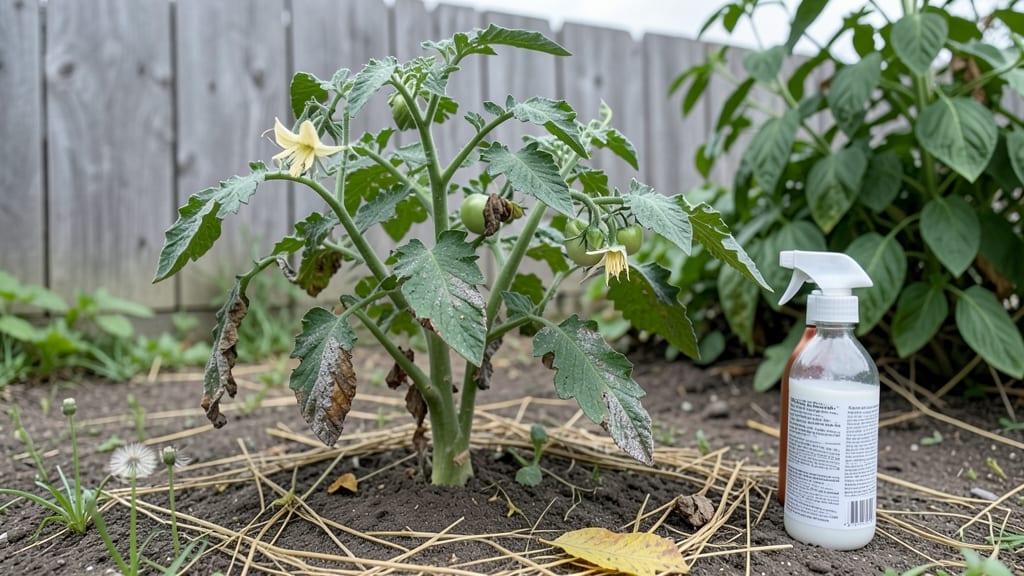
Curing plant fungus before it spreads is the difference between saving your garden and losing it. I’ve battled powdery mildew on roses and blight on tomatoes—both times, neem oil and baking soda turned the tide within days.
The key isn’t just spraying; it’s timing, airflow, and knowing when to cut your losses.
Most fungus thrives in damp, crowded conditions, so I start by spacing plants wider and watering at the base—not overhead. A simple mix of 1 teaspoon baking soda, 1 quart water, and a drop of dish soap (to help it stick) works for early-stage mildew.
For tougher infections like rust or blight, neem oil disrupts the fungus’s life cycle while feeding the plant. Both are organic, but speed matters—wait too long, and you’re fighting a losing battle.
You’ll see results within 3-5 days if you catch it early: leaves stop yellowing, spots fade, and new growth stays clean. The real win? Your plants build resistance over time.
I’ve had roses that came back stronger after mildew, and my tomatoes now bounce back faster than ever. The secret is acting fast and keeping the environment unfriendly to fungus.
Not every plant recovers, though. If the fungus has moved to the roots or stems, it’s time to pull and compost (not reuse) the plant. Prevention—like removing fallen leaves and improving airflow—saves more gardens than any spray ever will. Let’s get your plants back in fighting shape.
Root Causes of Plant Fungus
Fungal infections in plants aren’t random—they thrive when conditions align just right. Understanding the why behind these outbreaks is the first step to stopping them. Let’s break down the key factors that turn your lush garden into a fungal buffet.
Fungi love water—it’s their lifeline. When plants sit in soggy soil or get drenched for too long, fungal spores germinate like popcorn. Here’s how it happens:
- Overwatering: Roots need oxygen, but waterlogged soil suffocates them, creating the perfect damp environment for fungi like Phytophthora (root rot) or Pythium.
- Poor drainage: Containers without drainage holes or compacted garden soil trap moisture at the roots, inviting fungal growth.
- Frequent rain or dew: Leaves stay wet for hours, especially in tight foliage (think hostas or ferns), giving fungi like Botrytis (gray mold) a foothold.
💡 Pro Tip: Test your soil’s drainage by digging a hole, filling it with water, and timing how long it takes to drain. If it’s slower than 4 hours, amend with perlite or sand.
Fungi aren’t picky—they just need the right climate.
Most thrive in: - Warm, humid conditions (60–80°F / 15–27°C): Ideal for Powdery Mildew (a white, dusty fungus) and Downy Mildew (purple-gray patches on undersides of leaves). - Cool, damp mornings: Dew lingers, and fungi like Alternaria (brown leaf spots) spread faster when nights are chilly but days warm up. - Greenhouses or crowded plants: Stagnant air traps humidity, accelerating fungal spores’ spread.
✨ Science Note: Fungi release spores when humidity hits 90%+ for prolonged periods. A hygrometer can help you monitor this.
Healthy plants fight off fungi, but stress opens the door.
Common triggers include: - Nutrient deficiencies: Lack of phosphorus or potassium weakens cell walls, making plants more susceptible to Fusarium wilt. - Physical damage: Pruning cuts, insect bites (like aphids), or hail create entry points for fungi like Verticillium. - Over-fertilization: Too much nitrogen promotes lush, weak growth that’s prime fungus real estate.
🔥 Red Flag: Yellowing leaves, stunted growth, or wilting despite proper watering? Your plant’s immune system might be compromised.
Fungi hitchhike on: - Dirty pruners or shovels: Spores linger on tools and infect new cuts. Rhizoctonia (black fungal stems) spreads this way. - Reused potting mix: Old soil can harbor dormant spores.
Even "sterilized" mix might not kill resistant fungi like Sclerotinia. - Infected plant debris: Leaving fallen leaves or mulch near roots gives fungi a food source and shelter.
🎯 Prevention: Sterilize tools with 70% isopropyl alcohol or a 10% bleach solution (1 part bleach to 9 parts water). Replace soil every 2–3 years.
Some pests invite fungi by damaging plants or spreading spores:
- Aphids & mites: Their honeydew (sticky residue) feeds Sooty Mold, turning leaves black.
- Slugs & snails: Their slime trails create moist paths for Phytophthora to spread.
- Caterpillars: Chewing leaves weakens plants, making them vulnerable to Botrytis.
💪 Action Step: Use neem oil (doubles as a fungicide and pest deterrent) or introduce beneficial nematodes to control slugs organically.
Fungi don’t discriminate—they jump between species! Common culprits:
- Powdery Mildew: Can infect cucumbers, roses, and your prized tomatoes.
- Anthracnose: Starts on maples but can move to houseplants like peace lilies.
- Armillaria (Honey Fungus): Spreads underground from infected trees to nearby veggies.
🚨 Isolation Alert: Quarantine new plants for 2–4 weeks and avoid planting susceptible species (like phlox) near past fungal hotspots.
Beyond the obvious, these factors sneakily encourage fungi: - Shade: Low light weakens plants, making them fungus magnets (e.g., Rhizoctonia loves shaded lawns). - Acidic soil (pH <5.5): Some fungi, like Pythium, thrive in overly acidic conditions.
Test your soil—lime can help balance pH. - Monoculture gardening: Planting the same species (e.g., all basil) depletes soil defenses and fuels fungal outbreaks.
📊 Quick Fix: Rotate crops annually and mix in compost to boost soil biodiversity, which naturally suppresses fungi.
Fixing Fungal Issues Fast
Fungal infections can feel like a losing battle, but with the right approach, you can turn things around—without losing your plants. The key is matching the problem to the solution and acting quickly.
Below, we’ll break down common causes of plant fungus and the most effective fixes, plus tips to keep your greens healthy long-term.
Fix: Adjust watering habits and improve airflow. Fungal spores thrive in soggy soil, so the first step is cutting back on water. Here’s how:
- 🔥 Reduce watering frequency – Let the top 1–2 inches of soil dry out between waterings. Stick your finger in the soil to test moisture. - 👨🍳 Upgrade your pots – If using containers, ensure they have drainage holes.
Terracotta pots help wick away excess moisture. - 🥘 Improve soil mix – Amend heavy or compacted soil with perlite, sand, or coconut coir to boost drainage. - ⏰ Water in the morning – This gives foliage time to dry before evening humidity sets in.
Prevention tip: 💡 Group plants with similar water needs together to avoid over- or under-watering.
Fix: Increase circulation and reduce moisture buildup. Fungi love stagnant, humid air—so move plants around and boost airflow:
- 🔥 Space plants apart – Crowded foliage traps moisture.
Aim for 3–6 inches of space between leaves. - 🍳 Use a fan – A gentle clip-on fan (set to low) on fungal-prone plants can reduce humidity around leaves. - 🥘 Prune dense growth – Trim back overgrown branches to improve airflow through the plant. - 🔪 Remove infected leaves – Snip off yellowing or spotted leaves below the infection to stop spread.
Prevention tip: ✨ Mist plants in the early morning only—never at night when humidity peaks.
Fix: Strengthen plants with proper care and targeted treatments. Stressed plants are fungal magnets. Boost their defenses with:
- 📊 Feed with balanced fertilizer – Use a mild, organic fertilizer (like fish emulsion or compost tea) to restore nutrients. - 💪 Boost immunity with neem oil – Mix 1 tsp neem oil + 1 tsp mild soap per quart of water, spray every 7–10 days until fungus clears. - 🥗 Avoid over-fertilizing – Too much nitrogen weakens roots.
Stick to half-strength doses if your plant looks stressed. - 🌱 Repot if needed – If roots are rotting, trim away mushy roots, treat with hydrogen peroxide (3%), and repot in fresh soil.
Prevention tip: 🎯 Rotate crops annually to prevent soil-borne fungus buildup.
Fix: Use targeted treatments when natural methods fail. If fungi persist, commercial or DIY fungicides can help:
| Fungus Type | Recommended Treatment | How to Apply |
|---|---|---|
| Powdery Mildew | Baking soda spray (1 tbsp + 1 tsp oil + 1 gallon water) | Spray both sides of leaves, repeat weekly. |
| Black Spot | Copper fungicide (or neem oil) | Apply every 10–14 days until cured. |
| Root Rot | Hydrogen peroxide (3%) or Mycorrhizal fungi | Soak roots for 10 mins, then repot. |
| Gray Mold (Botrytis) | Potassium bicarbonate spray (2 tbsp + 1 tsp soap) | Spray until runoff, repeat in 7 days. |
Prevention tip: 🔥 Always test fungicides on a small leaf first to avoid burning tender plants.
Final Pro Tip: 🌿 The best cure? Prevention. Inspect plants weekly, remove debris, and sterilize pruners with rubbing alcohol between cuts. With these fixes, your plants will bounce back—and stay fungus-free!
Frequently asked questions
Can I use vinegar to treat plant fungus?
White vinegar can help in mild cases of powdery mildew or black spot, but it’s not a cure-all. Mix 1 tablespoon white vinegar with 1 gallon water and spray on leaves (avoid roots). The acidity disrupts fungal spores, but it won’t penetrate deep infections. For stubborn cases, combine with 1 teaspoon baking soda for better results. Always test on a small leaf first—vinegar can burn tender plants.
How often should I spray neem oil for fungus?
For active infections, spray every 7–10 days until the fungus clears. Once your plants recover, switch to a monthly preventive spray during humid seasons. Neem oil works best when applied in the early morning or late afternoon to avoid scorching leaves. Always mix it with a drop of mild soap to help it stick to surfaces.
My houseplant has fungus—should I throw it away?
Not always! If the fungus is on the leaves or stems, you can often save the plant by pruning infected areas and treating with hydrogen peroxide (3%) or neem oil. For root rot, trim away mushy roots, soak in a 1:10 bleach-water solution for 10 minutes, then repot in fresh, sterile soil. If the plant is severely compromised (e.g., wilting despite treatment), it’s safer to remove it to prevent spread.
Will fungicides harm beneficial insects like bees?
Most chemical fungicides (like copper or synthetic options) can harm bees and other pollinators. Stick to organic treatments like neem oil, baking soda, or potassium bicarbonate, which are safer when used as directed. Spray after sunset to avoid harming bees active during the day. Always follow label instructions—some organic fungicides still require caution around pollinators.
Can I reuse potting soil after treating fungus?
No, you should replace contaminated soil to prevent reinfection. Fungal spores can survive in old soil for years. Sterilize containers with a 10% bleach solution (1 part bleach to 9 parts water) or baking soda soak. For garden beds, remove all plant debris and mix in compost or fresh mulch to improve drainage and suppress future outbreaks.