
Pruning
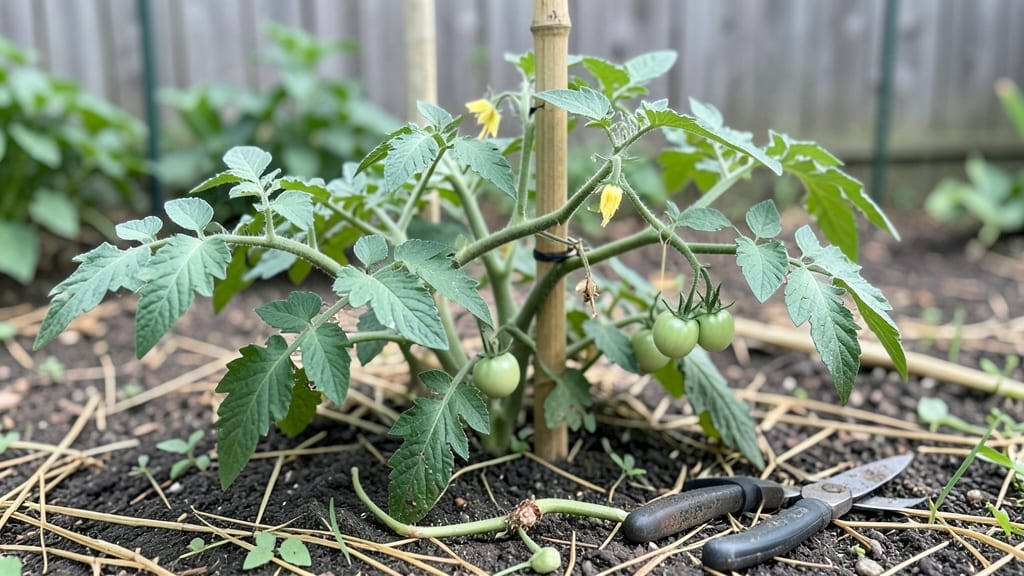
Pinching back tomato plants at the right time turns leggy stems into bursting bushes packed with fruit. I learned this trick after my first garden produced sad, sparse tomatoes on tall, floppy plants—until I started pinching.
The secret isn’t complicated: just remove a few leaves and stems early on to redirect energy where it matters most.
You’ll need sharp pruning shears (or clean scissors) and about 10 minutes on a sunny morning. The goal is simple: pinch off the top leaves and stems when the plant reaches 12–18 inches tall, then repeat every 4–6 inches of new growth.
This forces the plant to branch out, creating more spots for tomatoes to form. No fancy tools or garden expertise required—just your hands and a little patience.
What you end up with is a thriving tomato plant that produces 2–3 times more fruit than unpinched plants. The stems stay sturdy, the leaves stay lush, and you’ll harvest until the first frost.
The best part? You can do this with any tomato variety—cherry, beefsteak, or heirloom—without stressing the plant. Even if you’ve killed plants before, this method is impossible to mess up.
Fair warning: timing matters. Start too late, and you’ll stunt growth. Pinch too aggressively, and the plant gets overwhelmed. But once you get the rhythm, you’ll see those first side shoots appear within days—proof that you’re growing a tomato powerhouse. Ready to try it?
📚 In This Guide
- What you need
- Instructions
- Tips and common mistakes
- Wrapping up and next steps
What you need
- ● Clean, sharp pruning shears or scissors – Opt for bypass pruners (small, sharp blades) to avoid crushing stems. Avoid dull tools—they can damage plants!
- ○ Gloves (optional but recommended) – Protect your hands from thorns and dirt. Choose lightweight, breathable fabric gloves.
- ● Tomato plants (indeterminate varieties only) – Only indeterminate tomatoes (like 'Cherry Tomatoes' or 'Beefsteak') need pinching. Determinate varieties (bush types) don’t require this step.
- ● Water (for post-pruning care) – A small watering can or hose with a gentle spray nozzle to hydrate plants after trimming.
- ● Disinfectant (rubbing alcohol or bleach solution) – Wipe down tools before and after use to prevent disease spread. Mix 1 part bleach to 9 parts water for a quick sanitizer.
- ● Garden twine or stakes – If your plants are top-heavy after pinching, secure them to stakes to prevent flopping. Use soft twine to avoid stem damage.
- ● Pruning paste or wound sealant – Helps large cuts heal faster (though small pinches usually don’t need it).
- ● Notebook or app – Track pinch dates and plant growth for future reference. Pro tip: Snap a photo of your plant before/after for progress tracking!
Instructions for pinching back tomato plants
Here's the straightforward method I use to encourage bushier growth and bigger yields.
Identify the Right Time to Begin Pinching
Wait until your tomato plants have reached 12-18 inches tall and developed 4-5 sets of true leaves—those are the broad, mature leaves beyond the initial seedling leaves. This usually happens 4-6 weeks after transplanting, depending on your climate. Pinching too early can stunt growth, while waiting too long reduces effectiveness.
Choose a bright, dry morning for pinching. The plants will recover faster in good light, and damp leaves are more prone to disease. I always check the forecast first—if rain is coming, I delay until conditions improve. Healthy plants have sturdy stems and vibrant green leaves with no yellowing or wilting.
Locate and Remove the First Suckers
Suckers are the small shoots that grow in the V-shaped junction where a stem meets a leaf or branch. These side shoots compete with your main plant for energy, so removing them redirects nutrients to fruit production. Use your fingers or clean pruning shears to gently pinch off the first sucker just above the leaf it’s growing from.
Start with the lowest visible sucker—this is usually about 6-8 inches up the stem. I work my way upward as the plant grows, never removing more than one-third of the plant’s foliage at once. If you see a sucker growing directly from the main stem (called a "blind sucker"), remove it immediately—these drain energy without producing fruit.
Pinch Back the Main Stem for Bushier Growth
Once your plant reaches 36-48 inches tall, pinch the topmost set of leaves by cutting or breaking off the top 2-3 inches of the main stem. This encourages the plant to branch out, creating multiple fruiting stems instead of one tall, weak one. The goal is to stop vertical growth while promoting horizontal spread.
After pinching, watch for new side shoots to emerge from the leaf axils below the pinch point. These will become your new main stems. I never pinch above the first flower cluster—removing flowers reduces yield. If you accidentally pinch too high, don’t worry; the plant will still recover, just with slightly fewer branches.
Maintain Regular Pinching Throughout the Season
Continue pinching weekly during the growing season to remove any new suckers larger than 1-2 inches. Focus on lower suckers first, as these have the most impact on yield. Avoid letting suckers grow beyond 3 inches, or they’ll start competing for resources. I use sterilized shears to make clean cuts just above a leaf node to prevent disease entry.
In determinate varieties (bush tomatoes), stop pinching once the plant starts flowering heavily—these varieties naturally stop growing. For indeterminate varieties (vining tomatoes), keep pinching until late summer, when the plant shows signs of slowing growth. You’ll know you’re doing it right when your plant looks full and bushy with multiple strong stems bearing fruit.
Monitor and Adjust for Optimal Results
After pinching, keep an eye on your plant’s growth pattern and fruit production. If you notice yellowing leaves or stunted growth, you may have pinched too aggressively. Reduce future pinching to let the plant recover. Conversely, if the plant remains tall and leggy, increase pinching frequency to encourage branching.
Water deeply after pinching to help the plant recover and reduce stress. I always apply a balanced fertilizer (like 10-10-10) a week after pinching to support new growth. By late summer, your pinched tomato plants should be bursting with fruit and looking stronger than unpinched neighbors.
Tips & tricks for pinching back tomato plants
A few simple tricks can make all the difference when you're shaping your tomato plants for maximum yield. These insights come from years of gardening and learning what works best.
Timing is Everything: The 4-6 week window after transplanting is critical for Step 1. I've found that plants in cooler climates may need an extra week or two to reach 12-18 inches, so don't rush. Watch for those 4-5 sets of true leaves—they're your clear signal that the plant is ready. Confession: I skipped this step for years and wondered why my plants never produced as much as my neighbor's.
Tool Selection Matters: While fingers work for small suckers, invest in clean pruning shears for larger ones. Sterilize your tools with rubbing alcohol between plants to prevent disease spread. In Step 2, when you're removing those first suckers at 6-8 inches, make clean cuts just above the leaf node—this promotes faster healing and prevents infection. I learned this the hard way after losing plants to fungal infections.
Variety-Specific Approach: Remember how Step 4 mentions determinate and indeterminate varieties differently? For determinate plants, focus on removing suckers below the first flower cluster—these plants naturally stop growing. With indeterminate varieties, you can be more aggressive since they'll keep growing until late summer. I've seen indeterminate plants produce 50% more fruit when pinched correctly compared to unpinched plants.
Recovery Care: After any pinching, especially in Step 3 when you're cutting back the main stem, water deeply and provide shade for a day or two. This helps the plant recover from stress. I always apply a balanced fertilizer like 10-10-10 a week later to support new growth. The key is to give your plants the support they need to bounce back quickly.
Pro Tips for Pinch Back Tomato Plants
- A few simple tricks can make all the difference when you're shaping your tomato plants for maximum yield.
- Timing is Everything: The 4-6 week window after transplanting is critical for Step 1.
- Tool Selection Matters: While fingers work for small suckers, invest in clean pruning shears for larger ones.
Frequently asked questions
Got questions about pinching back tomato plants? Here are some of the most common ones—plus quick, actionable answers to keep your plants thriving!
When is the best time to pinch back tomato plants?
Pinch back tomato plants when they’re young (6–12 inches tall) and have 2–3 sets of true leaves. For indeterminate varieties, do it early in the season (spring) to encourage bushier growth. Avoid pinching after flowering—it’ll delay fruit production.
How many times should I pinch back tomato plants?
Most gardeners pinch back tomato plants once or twice early in the season. Indeterminate tomatoes (like 'Cherokee Purple') may need 2–3 pinches to control height, while determinate varieties (like 'Roma') rarely need pinching. Stop once the plant starts flowering—more pinching = fewer fruits!
What if I skip pinching back my tomato plants?
If you skip pinching, indeterminate tomatoes may grow too tall (6+ feet!) and produce fewer, smaller fruits due to overcrowded foliage. Determinate types may still yield well but could struggle with disease spread (like blight) from dense growth. Pinching = bigger, healthier harvests!
Can I use pruning shears instead of my fingers for pinching?
Yes! While fingers work for small pinches, clean, sharp pruning shears (or scissors) are better for thicker stems. Just sterilize tools with rubbing alcohol first to avoid spreading disease. Snip just above a leaf node (where leaves grow) for the cleanest cut.
What if I pinch too late or too much?
Pinching too late (after flowering) can stunt fruit development. Pinching too much removes too many leaves, reducing photosynthesis. If you overdo it, stop immediately—your plant will recover, but yields may suffer. Focus on 2–3 pinches max early on!
Do determinate tomato plants need pinching?
Determinate tomatoes (like 'Celebrity' or 'Patio') rarely need pinching—they grow bushy on their own and produce fruit at the top. Only pinch if the plant looks overcrowded or diseased. Prune suckers (side shoots) sparingly to improve airflow.
Wrapping up and next steps
Pinching back your tomato plants is a game-changer—it’s simple, saves space, and packs a punch for bigger, healthier harvests! 🌱 With just three strategic pinches, you’ll encourage stronger growth, more flowers, and juicier tomatoes. Don’t wait until it’s too late—start today!
Ready to see those vines flourish? Grab your pruners and head to the garden—your future meals (and bragging rights) will thank you! Next up: Watch your tomatoes thrive with consistent care and maybe even experiment with vertical growing for even more yield.