
How To
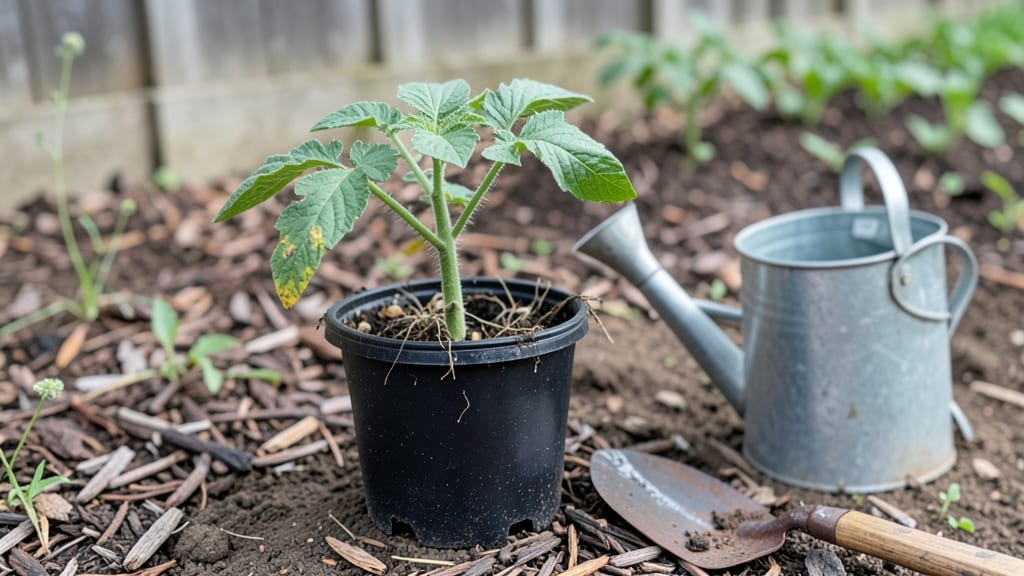
Transplanting plants without killing them starts with a simple truth: most failures happen before the shovel even touches the soil. I’ve moved dozens of plants—from delicate seedlings to stubborn shrubs—and the difference between success and loss comes down to preparation, timing, and respecting the roots.
The key isn’t brute force; it’s patience and a few strategic tweaks that trick plants into thinking they’ve never left home.
First, water the plant thoroughly 24 hours before transplanting—this keeps roots flexible and reduces breakage. On moving day, dig a hole twice as wide as the root ball and loosen the soil around the edges to encourage new growth.
Handle roots gently, like unraveling a delicate nest, and avoid letting them dry out. After planting, water deeply to settle the soil and provide immediate support. The goal isn’t to force growth but to create conditions where roots can recover naturally.
📚 In This Guide
- What you need
- Instructions
- Tips and common mistakes
- Wrapping up and next steps
What you need
- ● Garden trowel or transplanting spade – A sharp, sturdy 5- to 6-inch trowel works best for most plants.
- ● Garden gloves – Protect your hands from thorns, dirt, and sharp edges.
- ● Watering can or hose with a gentle spray nozzle – Keep soil moist but avoid oversaturating roots.
- ● Pruning shears or sharp scissors – For trimming overgrown roots or foliage if needed.
- ● New planting hole location prepped – Dig a hole twice as wide and just as deep as the root ball.
- ● Compost or well-aged manure – 1-2 cups mixed into the planting hole for nutrients.
- ○ Mulch (optional but recommended) – 2-3 inches of organic mulch (straw, wood chips, or shredded leaves) to retain moisture.
- ● Root stimulator or mycorrhizal fungi – Boosts root growth and reduces shock (follow package instructions).
- ● Transplanting pot or burlap sack – For delicate or large plants to protect roots during transport.
- ● Knee pads or a small stool – Makes digging and planting more comfortable.
- ● Shade cloth or temporary cover – Protects newly transplanted plants from harsh sun for 1-2 weeks.
Instructions for transplanting plants without causing root shock
This method ensures minimal stress and maximum survival rates for any plant type.
Prepare the New Location Before Handling the Plant
Transplanting success begins with the destination. First, dig the new planting hole twice as wide as the root ball but only as deep as the container’s drainage holes. This prevents burying the stem too deeply, which can suffocate the plant. Loosen the soil at the bottom of the hole with a garden fork to encourage root penetration into the surrounding earth.
Water the hole thoroughly 24 hours before transplanting to settle the soil and eliminate air pockets. If working with container-grown plants, ensure the new site receives the same light and moisture conditions as the original location. Matching environmental factors reduces the plant’s need to adapt mid-transplant.
Water and Extract the Plant Gently
Water the plant deeply the day before transplanting to hydrate the root ball fully. This makes the soil cohesive and easier to handle without breaking roots. For container-grown plants, run water through the drainage holes until it exits the bottom, ensuring the entire root system is saturated.
Turn the container on its side and gently tap the edges to loosen the plant. Slide it out carefully, supporting the base of the stem with your other hand. If the root ball resists, avoid pulling—use a knife to cut through any circling roots or tangled fibers. Never force the plant; resistance indicates stress you’re about to compound.
Preserve Root Integrity During Transfer
Place the root ball directly into the prepared hole, maintaining its original orientation. Fill the gap around the roots with the loosened soil from the hole, pressing lightly to eliminate air pockets. Avoid compacting the soil too firmly, as this restricts root expansion. Leave a 1-inch gap between the soil surface and the container’s rim to accommodate watering.
Water the transplanted plant immediately with a slow, deep soak to encourage roots to spread into the surrounding soil. Use a hose with a gentle spray nozzle or watering can to avoid dislodging the roots. Mulch the surface with 2-3 inches of organic mulch to retain moisture and regulate soil temperature, which reduces transplant shock.
Provide Post-Transplant Care for Recovery
Shade the plant for the first 3-5 days using a lightweight fabric or natural cover to reduce stress from direct sunlight. Gradually introduce it to full light over the next week. Monitor soil moisture closely—transplanted plants are particularly vulnerable to both drought and overwatering. Water when the top 1-2 inches of soil feel dry to the touch.
Apply a balanced, water-soluble fertilizer at half-strength 7-10 days after transplanting to support new root growth. Avoid heavy feeding immediately, as the plant’s energy should focus on establishing roots rather than foliage production. Prune any damaged leaves or stems during this period to redirect the plant’s resources toward recovery.
Tips & tricks for transplanting plants without causing root shock
Mastering the art of transplanting requires attention to detail at every stage—here's how to ensure your plants thrive after the move.
Soil Preparation Timing: The 24-hour pre-watering of the new hole is non-negotiable for container-grown plants. This critical step eliminates air pockets that would otherwise suffocate emerging roots. For garden soil, work the area when it's slightly moist—not bone dry, not saturated—to create an ideal environment for root expansion. Consider adding compost to the backfill soil if your native soil is particularly dense or clay-heavy, as this improves aeration and moisture retention.
Root Ball Extraction Technique: When removing plants from containers, resist the urge to squeeze or twist—the root ball should release with gentle persuasion. If you encounter resistance, use a serrated knife to carefully sever any circling roots that may have formed against the container walls. These roots can strangle new growth if left unchecked. For particularly stubborn plants, lightly mist the root ball with water to help loosen it without damaging delicate roots.
Post-Transplant Watering Strategy: That immediate deep soak after transplanting serves two crucial purposes: it settles the soil around the roots and eliminates air pockets that could impede water uptake. Use a watering wand or soaker hose to deliver water slowly at the base of the plant, avoiding the foliage to prevent disease. The 1-inch gap you leave between soil and container rim creates a small reservoir that helps maintain consistent moisture levels during the critical first week.
Shade Cloth Selection: For the initial 3-5 day shading period, choose a shade cloth rated for 30-50% light reduction rather than complete darkness. This gradual adjustment mimics natural conditions and prevents sunburn on tender new growth. Secure the fabric loosely—plants need some airflow to prevent fungal issues. If using natural covers like burlap, ensure they're breathable and don't create a humid microclimate against the leaves.
Pro Tips for Transplant Plants Without Killing Them
- Mastering the art of transplanting requires attention to detail at every stage—here's how to ensure your plants thrive after the move.
- Soil Preparation Timing: The 24-hour pre-watering of the new hole is non-negotiable for container-grown plants.
- Root Ball Extraction Technique: When removing plants from containers, resist the urge to squeeze or twist—the root ball should release with gentle persuasion.
Frequently asked questions
Got questions about transplanting plants without stressing them out? You’re not alone—even seasoned gardeners have doubts! Here are some of the most common concerns, answered in plain, actionable terms to keep your plants happy and thriving.
How do I know if my plant is ready for transplanting?
Check for root-bound signs: roots circling the pot, growing out of drainage holes, or soil drying out too fast. For seedlings, look for 2-4 true leaves (not just cotyledons). Transplant in mild weather—avoid extreme heat or frost. If your plant is flowering or fruiting, wait until after harvest for best results.
What’s the best time of day to transplant plants?
Transplant in the early morning or late afternoon to avoid midday sun stress. This gives roots time to recover before the heat peaks. If you must transplant midday, water deeply before and after, and provide shade for a few hours. Nighttime transplants can work too, but ensure soil is workable and temperatures aren’t dropping.
Can I transplant plants with flowers or fruit?
It depends! Vegetables like tomatoes, peppers, and herbs can often handle transplanting while fruiting, but avoid disturbing roots too much. For flowers, transplant before blooming if possible—established blooms may drop, but new growth will adapt faster. If you must move a flowering plant, trim some blooms to redirect energy to root recovery.
Why are my transplanted plants wilting even after watering?
Wilting post-transplant usually means root shock or transpiration stress. Try these fixes:
- Prune leaves by 1/3 to reduce water loss.
- Water slowly and deeply to encourage root spread.
- Use a root stimulator (like seaweed extract) to speed recovery.
- Provide shade for 3–5 days to limit stress.
Are there any plants that never recover from transplanting?
Some plants are highly sensitive to root disturbance, like:
- Mature citrus trees (transplant only as bare-root saplings).
- Orchids (best grown on mounts or in specialized mixes).
- Bulbs like daffodils (transplant after flowering, when foliage yellows).
- Succulents (let cuts dry for days before replanting).
Wrapping up and next steps
Transplanting plants doesn’t have to be stressful—with the right techniques, you can give them the best shot at thriving in their new home! 🌱 The key is minimizing root shock, staying patient, and adapting to your plant’s needs.
Whether you’re moving a delicate herb or a hardy shrub, confidence grows with practice.
Ready to level up your green thumb? Start small—try transplanting a low-maintenance plant like basil or mint to build your skills. Soon, you’ll be a pro, and your garden will thank you with lush, happy growth! 🌿